Kammererite: what it is, where it's from, how to tell it's real
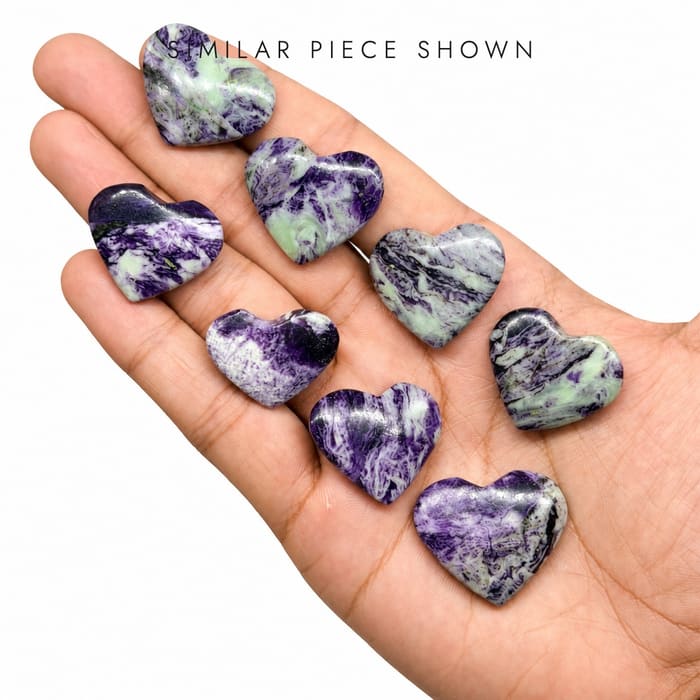
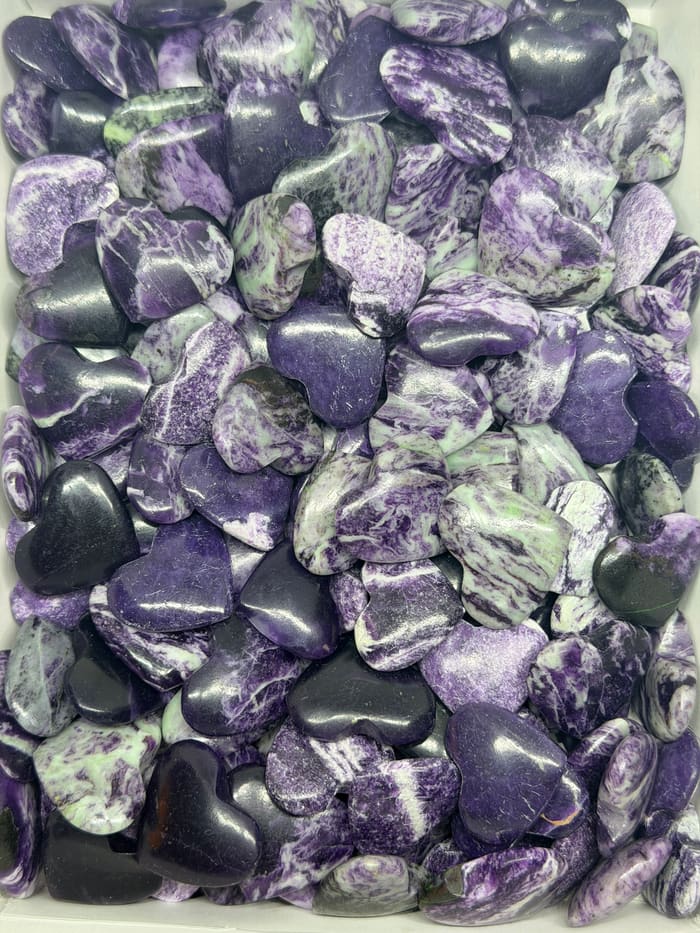
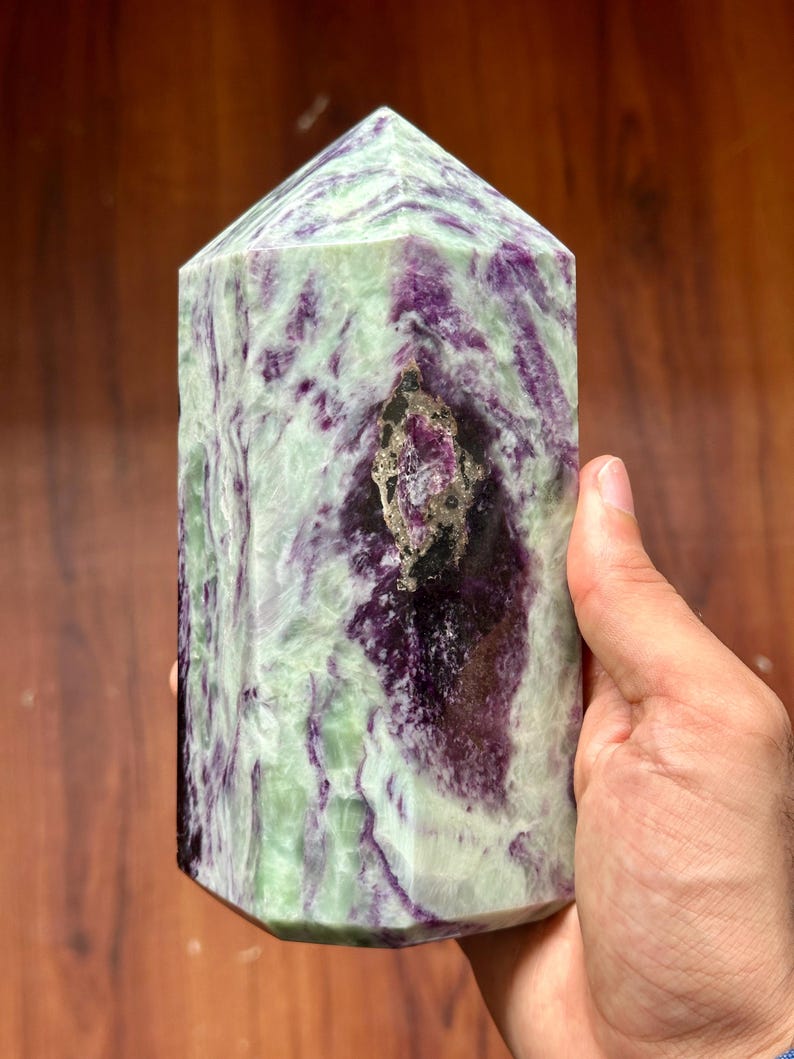
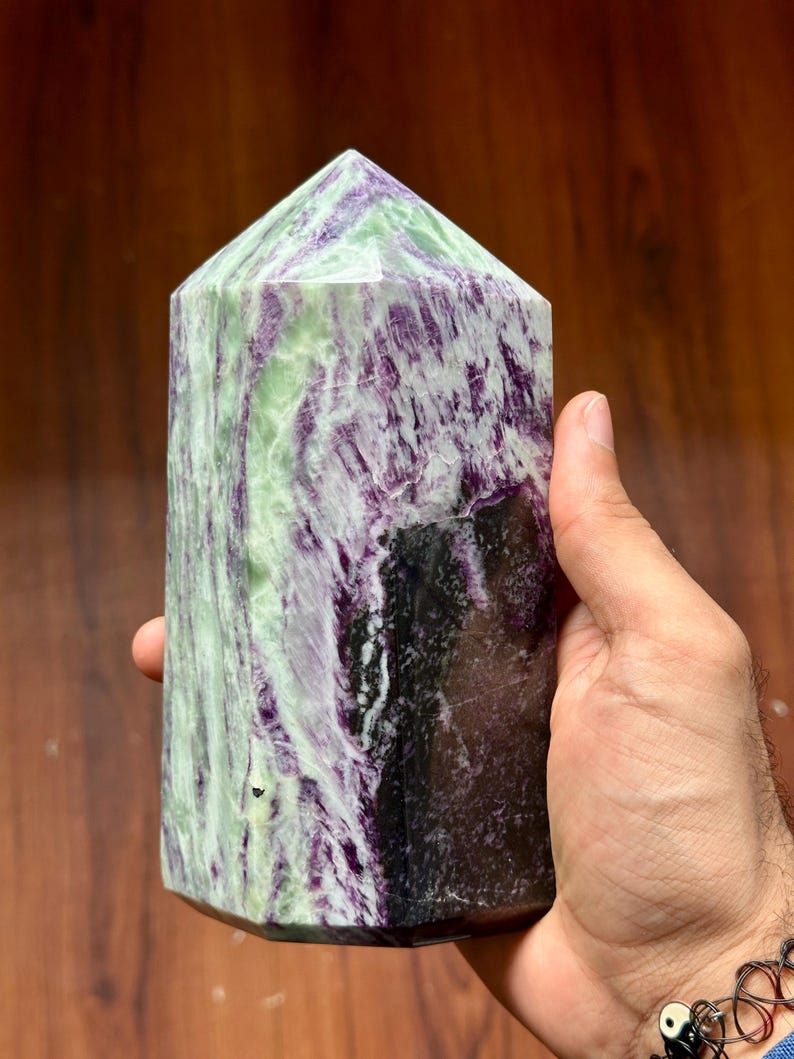
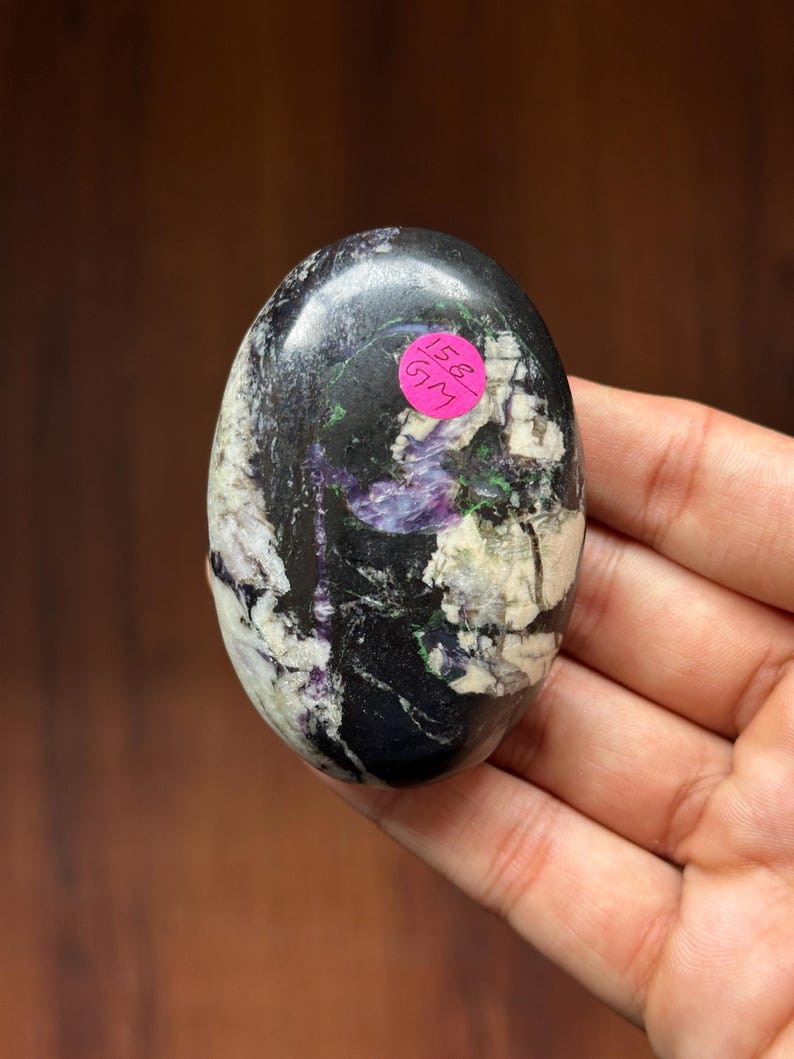
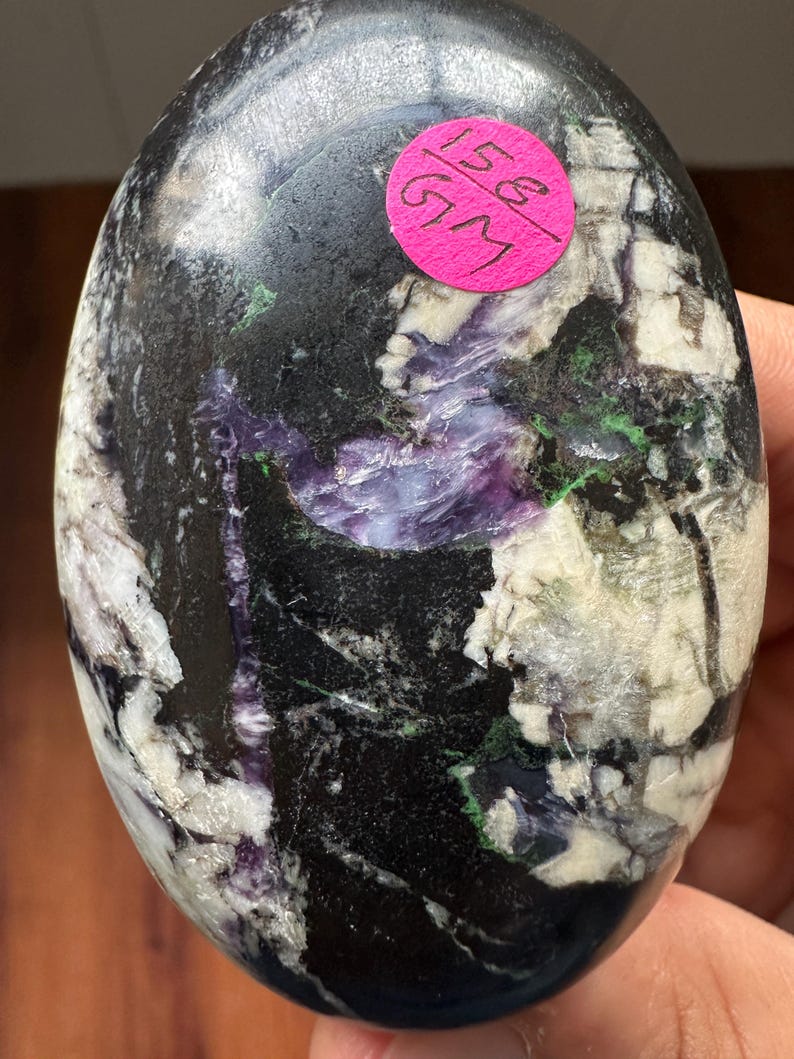
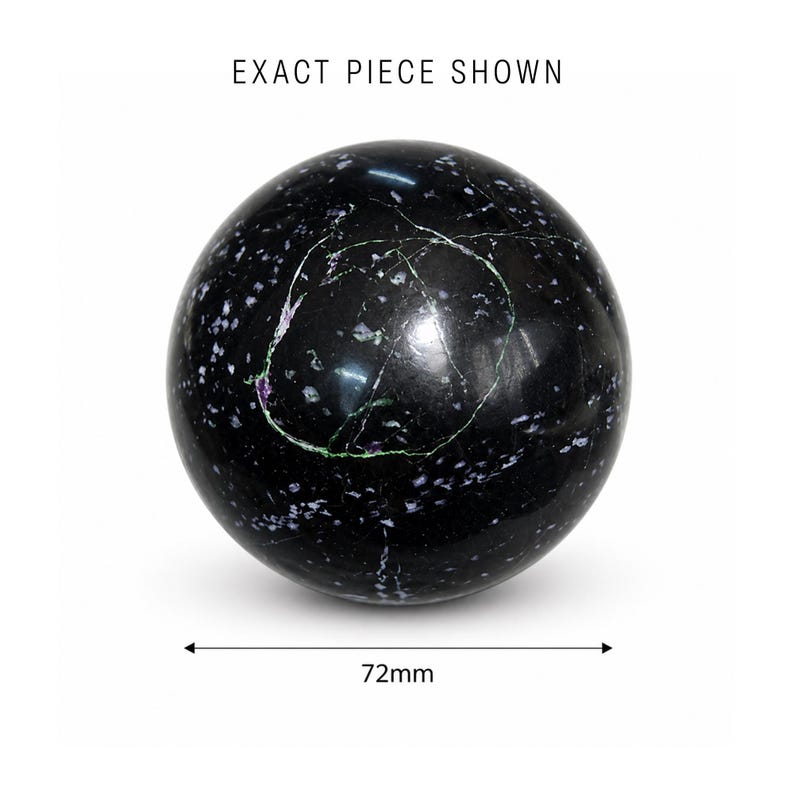
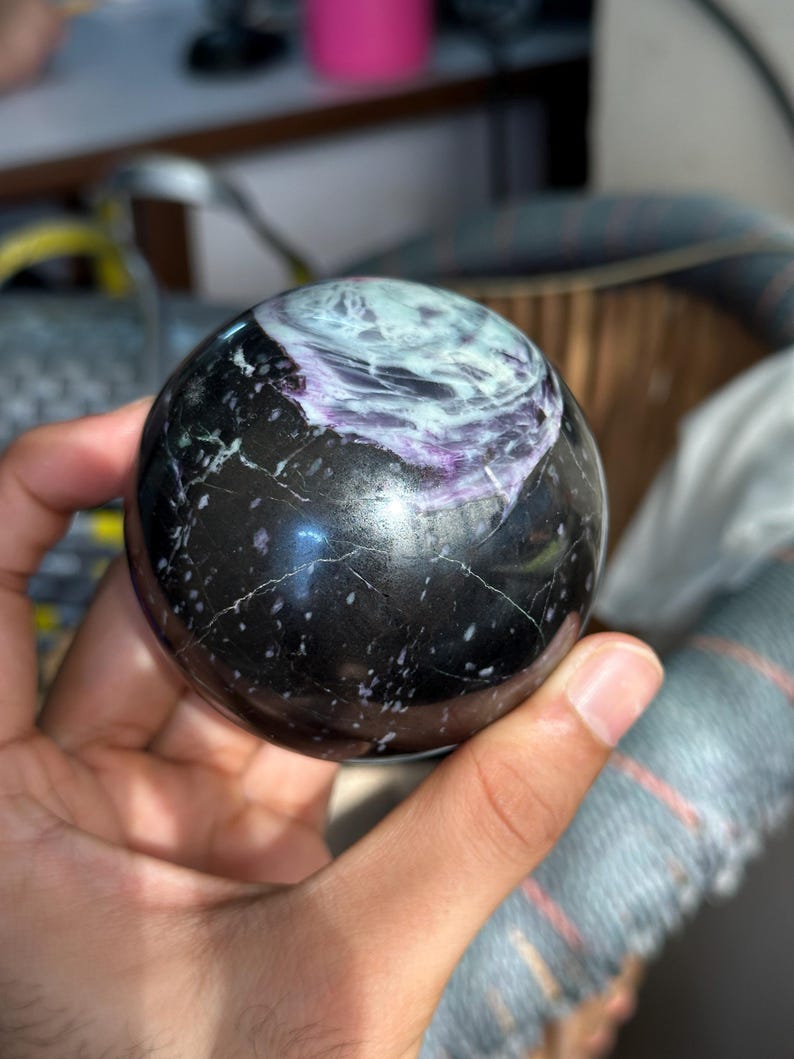
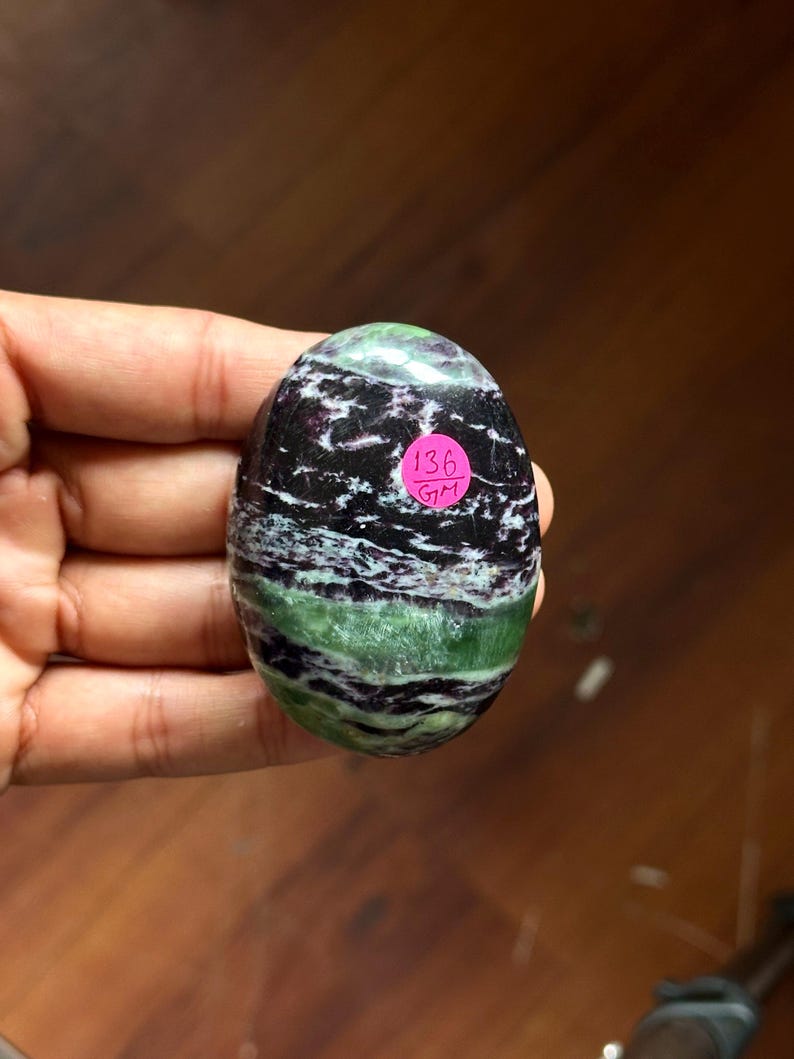
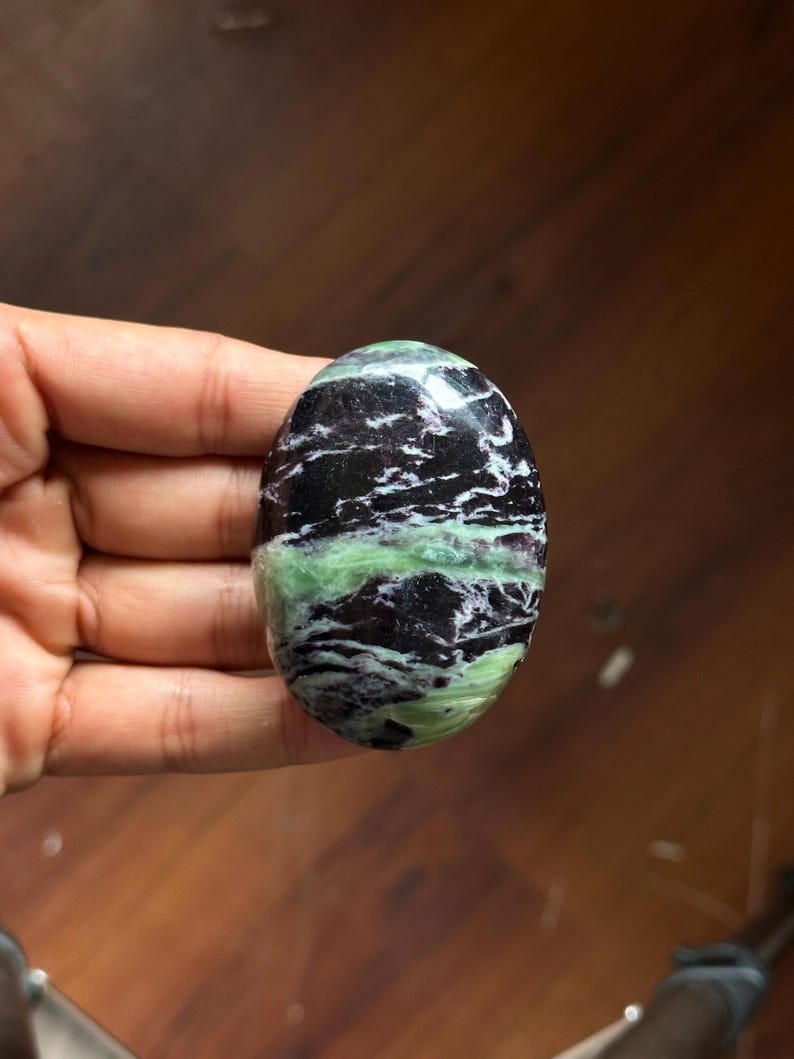
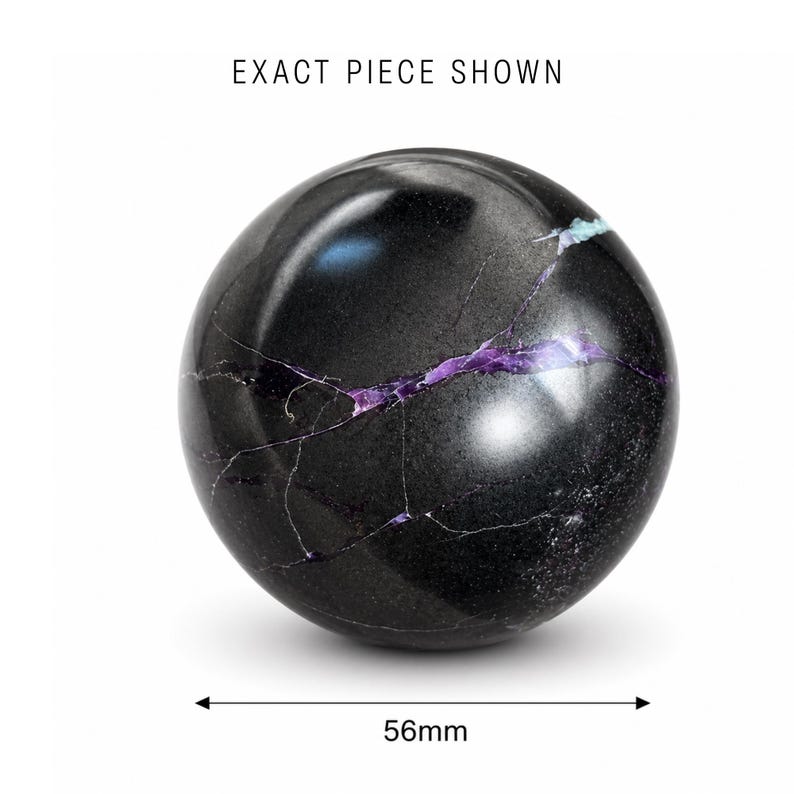
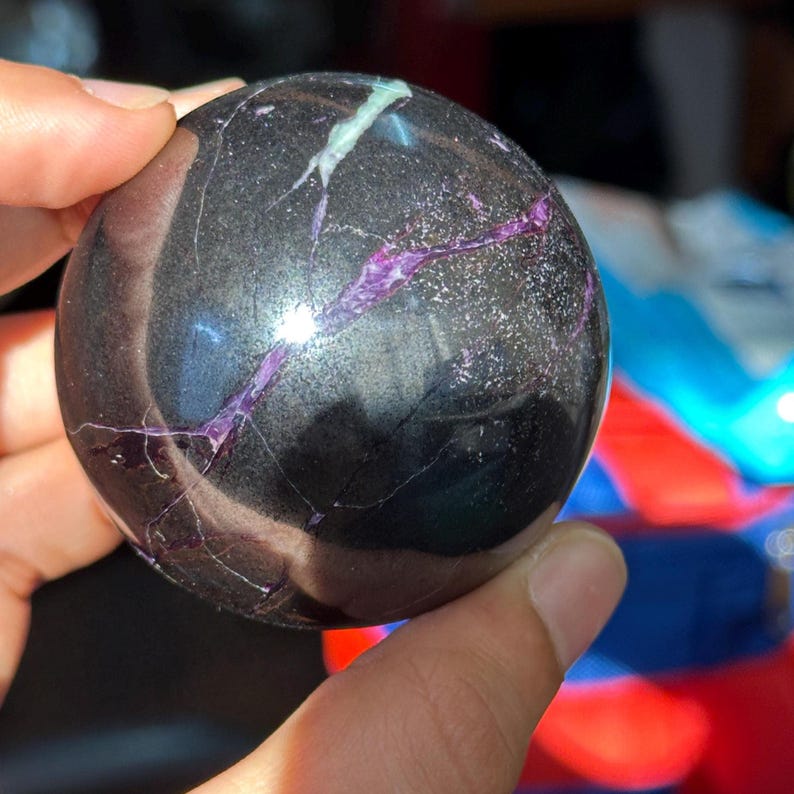
Kammererite forms small, glittering crystals in a deep purple-red to violet, often scattered over a dark green or grey chromite rock. It's a collector's mineral, prized for colour rather than size.
What it is
Kammererite is a chromium-rich variety of clinochlore, a mineral of the chlorite group, the same family as green seraphinite. Chromium turns it purple-red instead of green. It grows as small six-sided, platy crystals and rosettes, often only a few millimetres across, with a pearly to glassy lustre that sparkles under light. It's named after August Kämmerer, a nineteenth-century mining official in Russia, where it was first described.
Where it comes from
The best-known kammererite comes from chromite mines in Turkey, especially around Erzurum. Kammererite forms where chromium-bearing rock has been altered, so it is found alongside chromite ore. It's also known from Russia's Ural Mountains and a few other chromite districts. Specimens are usually small, cabinet-drawer pieces a few centimetres across; the value is in how bright, clean and well-formed the crystals are rather than in size.
How to tell real kammererite
- Look at the crystals. Real kammererite shows small, flat, hexagonal crystals or sparkling crusts, purple-red and translucent at the edges. It isn't a paint or an even coating.
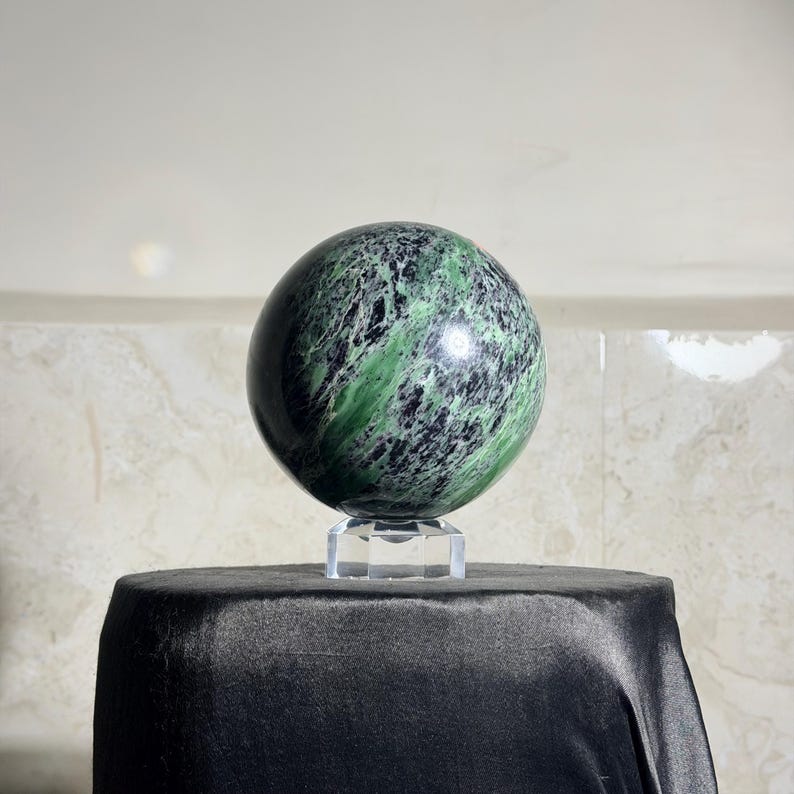
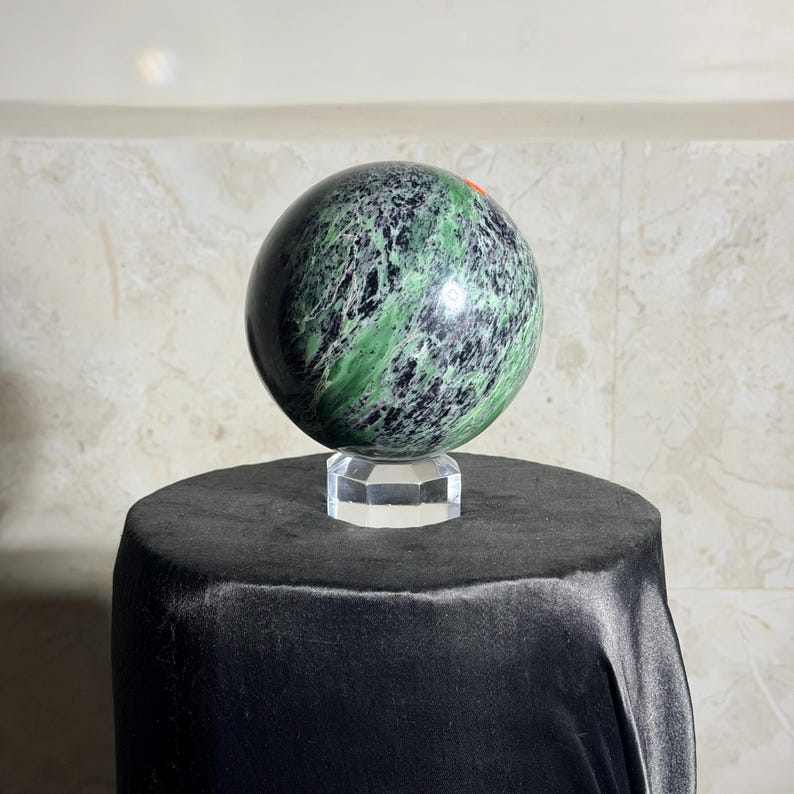
- Look at the matrix. It's typically on dark chromite or serpentine rock, sometimes with green uvarovite garnet.
- Mind the name. Purple lepidolite mica is sometimes confused with kammererite. Lepidolite is lilac and flakier, and usually comes in larger masses.
Looking after it
Kammererite is very soft (about 2 to 2.5 on the Mohs scale) and the crystals flake easily. Handle the specimen by its matrix, keep it in a cabinet away from dust and knocks, and don't wash it. A soft brush or a puff of air is enough.
See kammererite in the shop.
Questions
- What is kammererite?
- Kammererite is a purple-red, chromium-rich variety of clinochlore, a chlorite-group mineral.
- Where does kammererite come from?
- The best-known specimens come from chromite mines in Turkey, especially around Erzurum; it is also found in the Ural Mountains of Russia.
- How fragile is kammererite?
- Very. It is only about 2 to 2.5 on the Mohs scale and flakes easily, so handle it by the matrix and don't wash it.