Stones, explained
How they form, where they come from and what they've meant to people, from the family that buys them at the source.
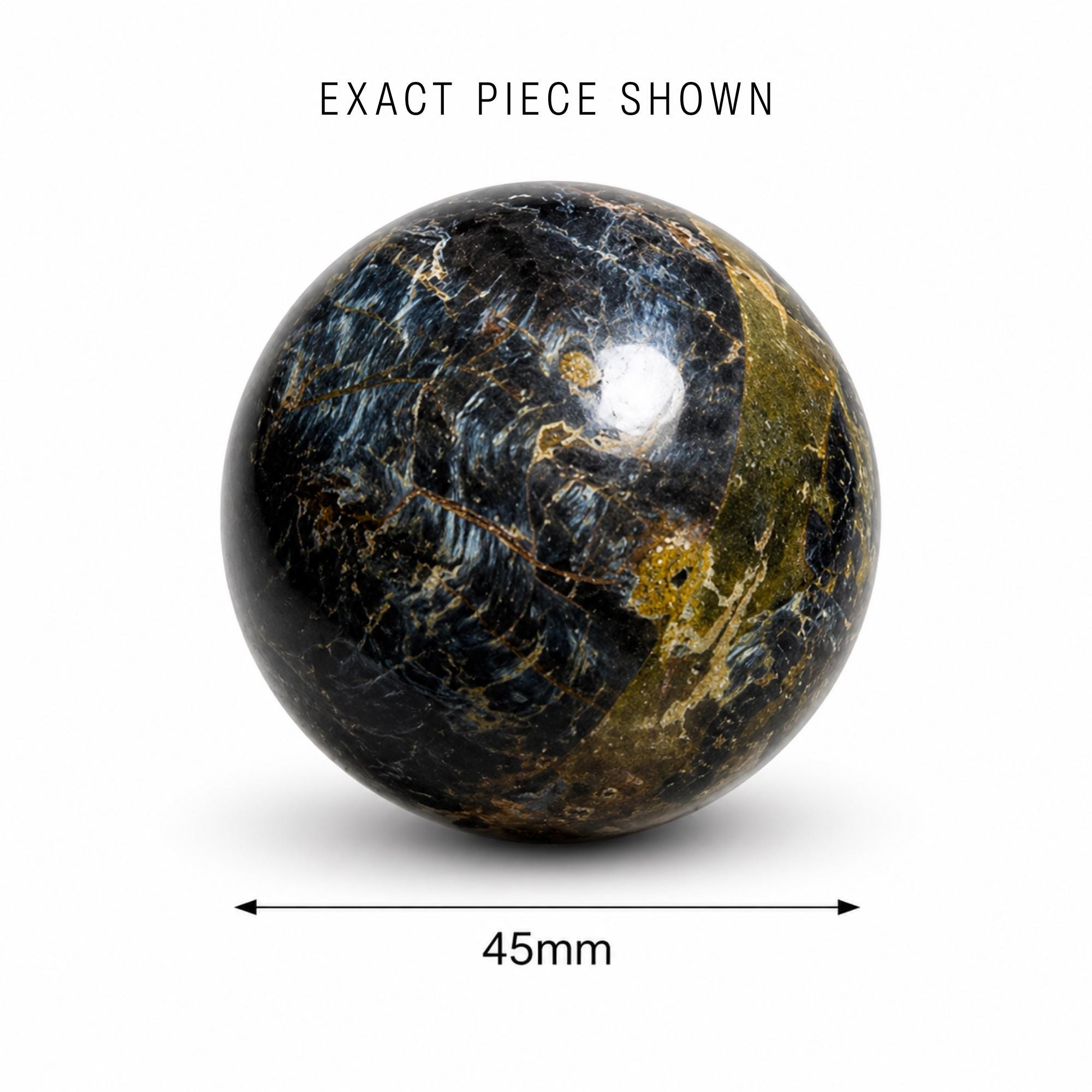
Why is pietersite called storm stone?
Pietersite is tiger's eye shattered and re-cemented by silica, so its chatoyant fibres swirl in every direction. Where the storm pattern and its colours come from.
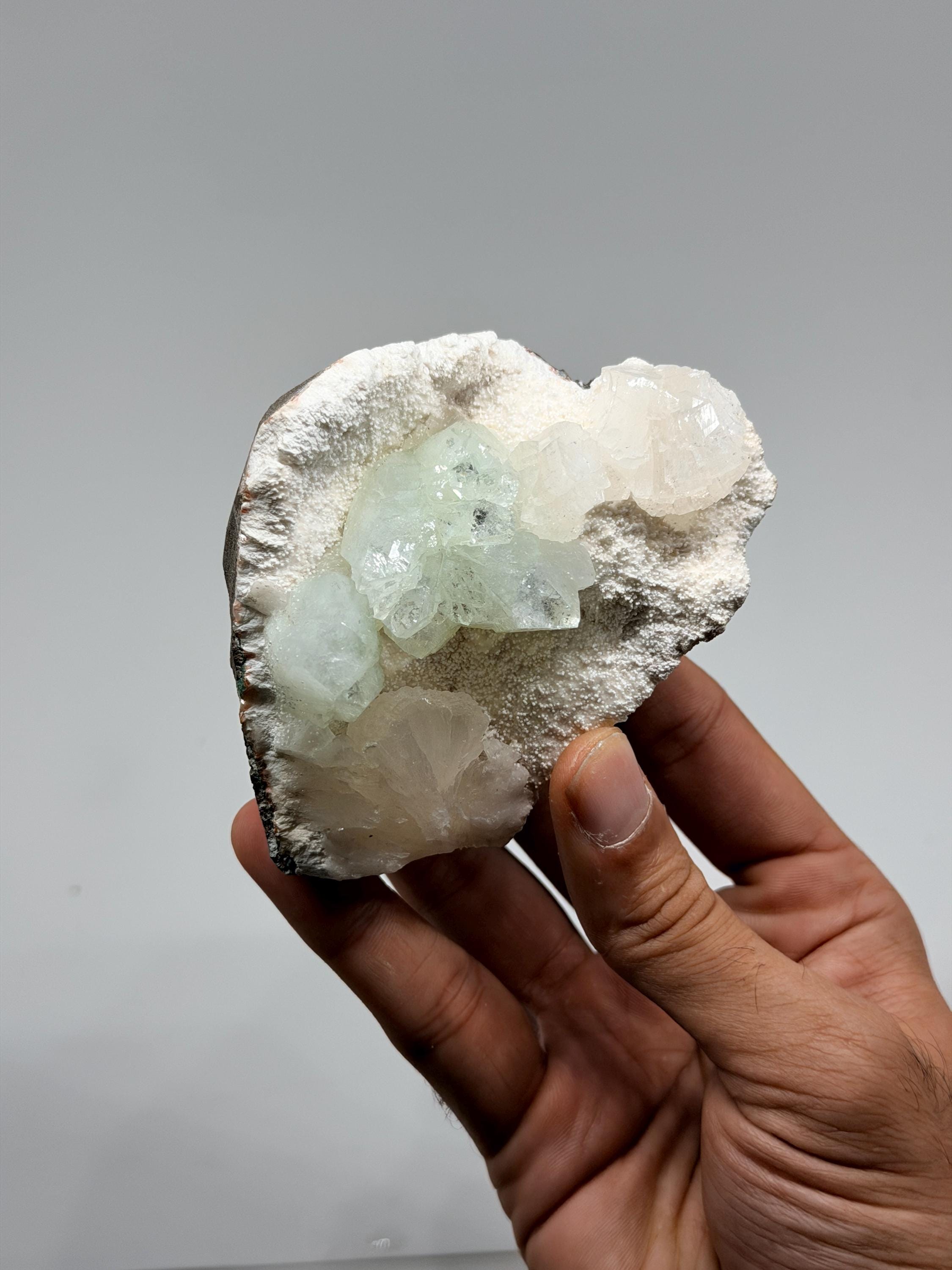
Why India's road quarries are full of crystals
How apophyllite, stilbite, scolecite and cavansite grow inside the Deccan Traps basalt of western India, and why the best specimens come out of ordinary stone quarries.
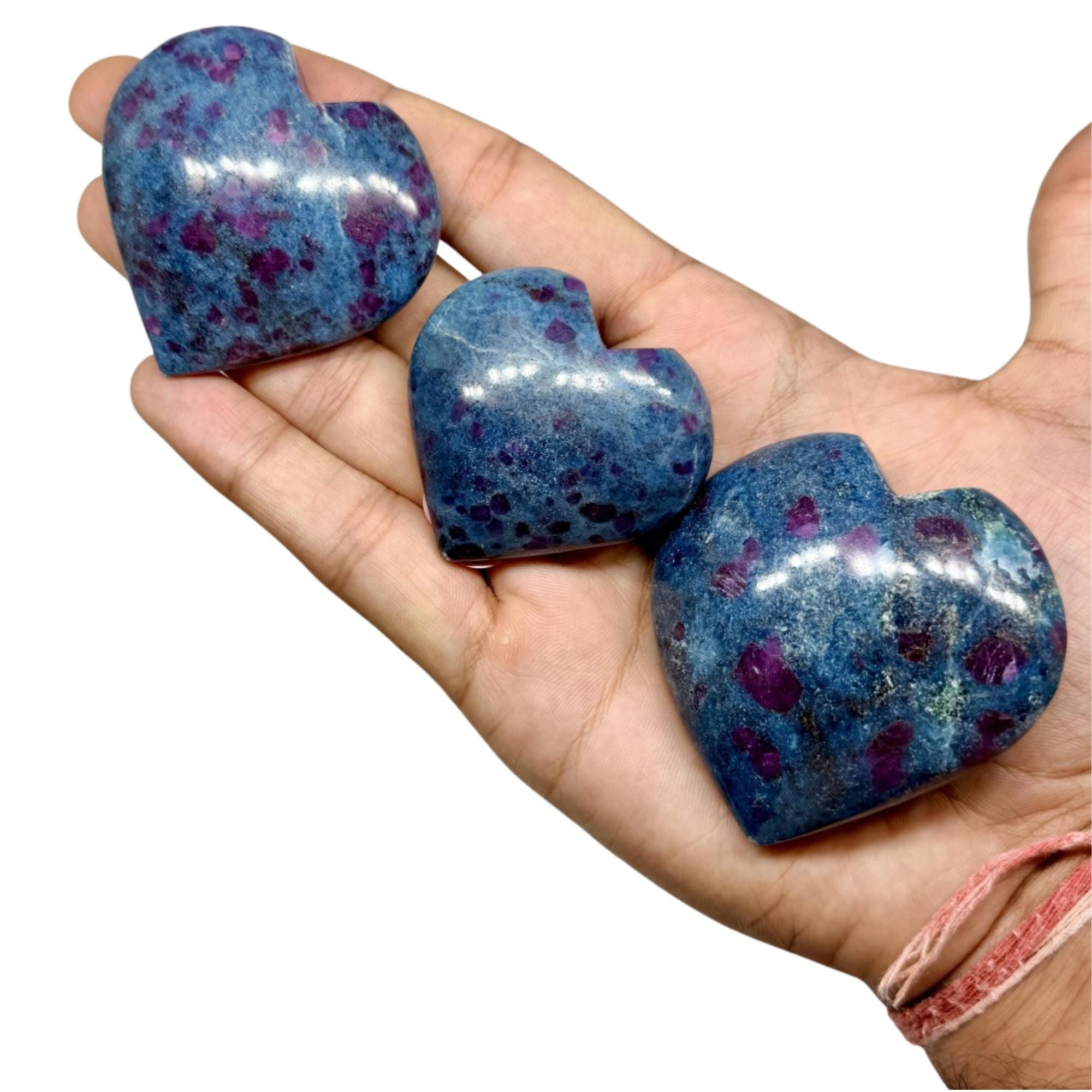
Ruby in kyanite, fuchsite or zoisite: how to tell them apart
Three rocks with ruby in them: what each one is, where it comes from, and how to tell ruby in kyanite, ruby in fuchsite and ruby in zoisite apart at a glance.
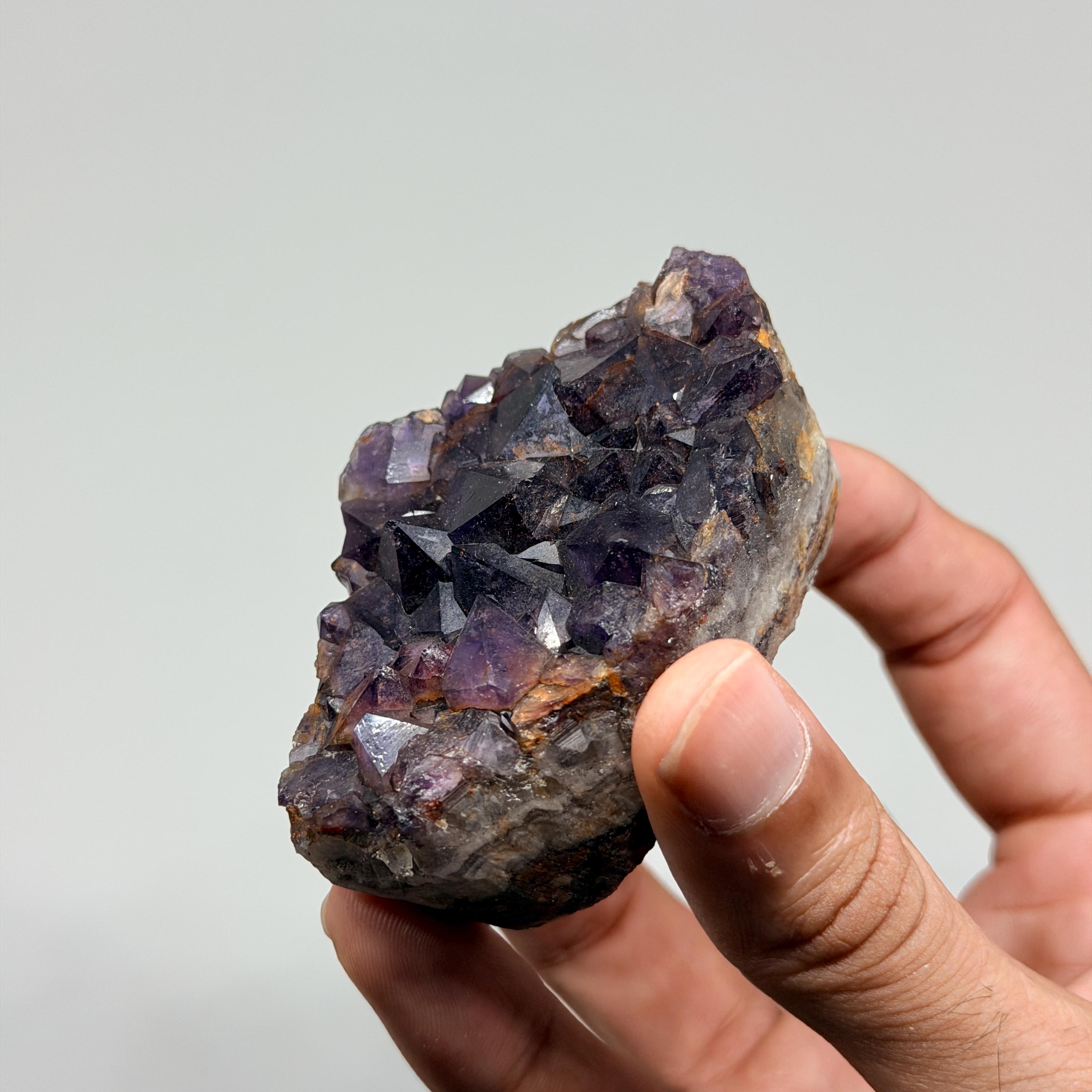
Why amethyst is purple, and what turns it yellow
Iron, natural radiation and heat: the science of amethyst's colour, why it can fade in sunlight, how amethyst becomes citrine, and where the name comes from.
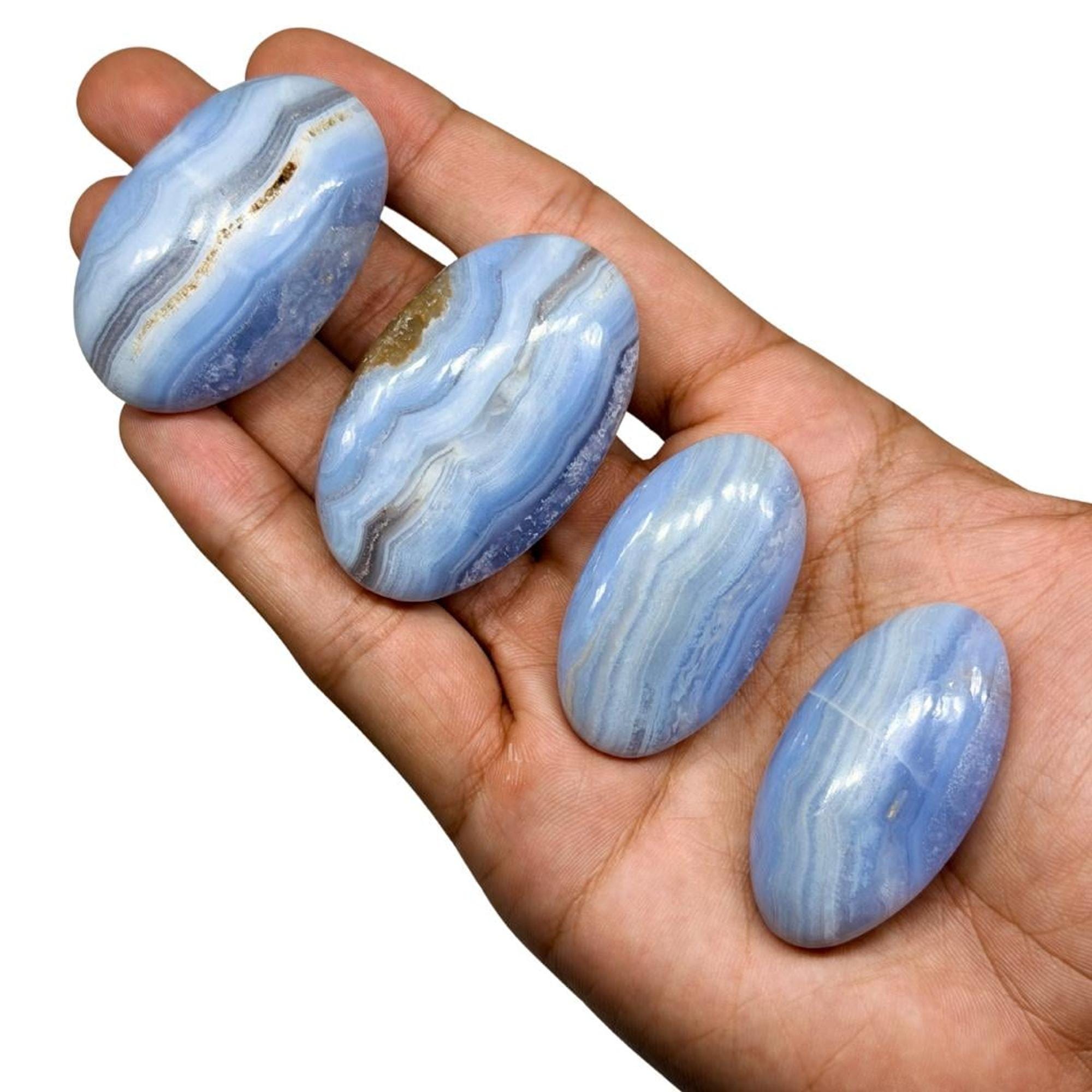
Khambhat: 4,500 years of Indian agate and carnelian
The Gujarat town that has cut agate and carnelian since the Harappan era: the Ratanpur mines, heat-treating carnelian, and beads that reached Mesopotamia.
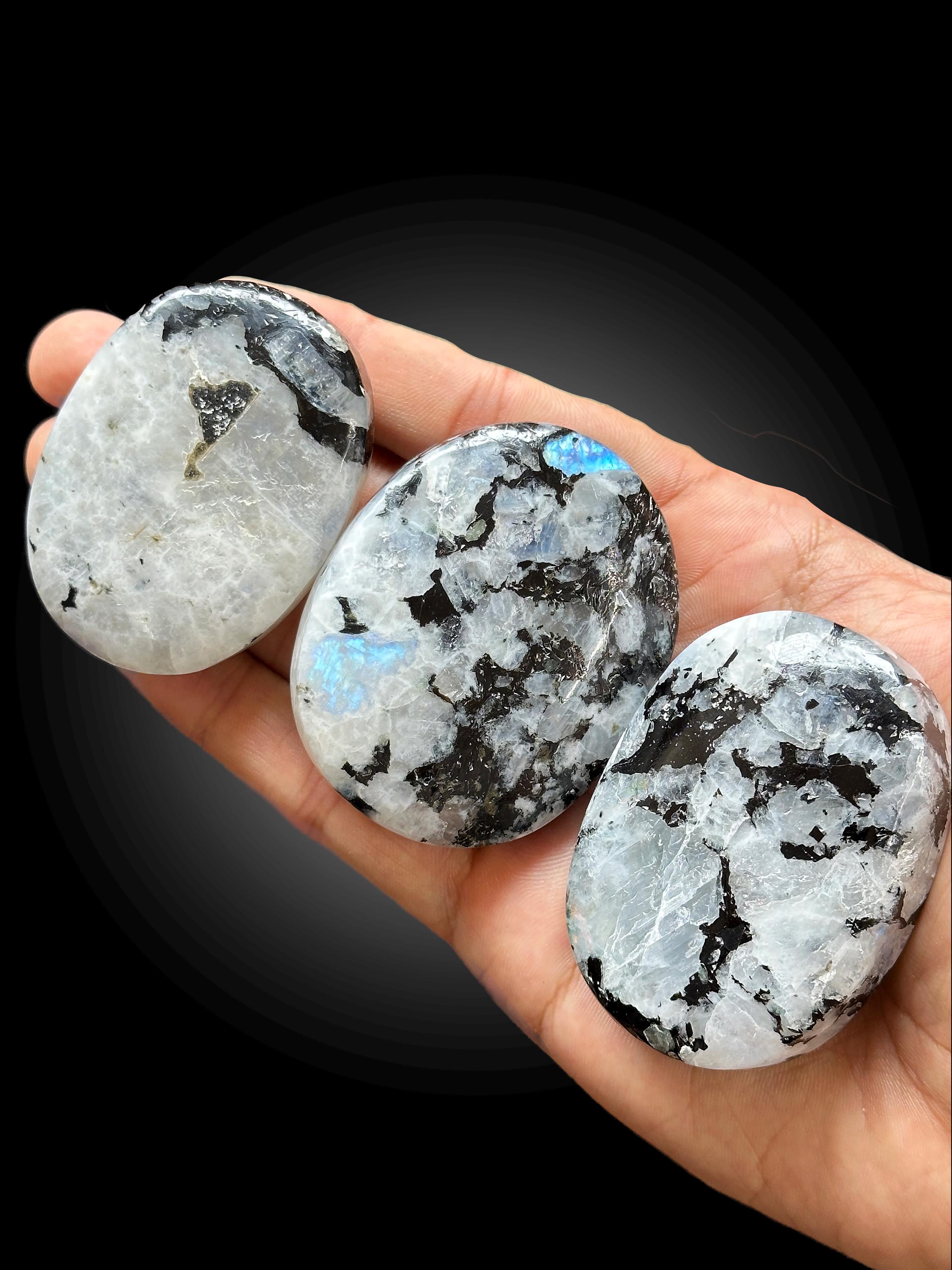
Rainbow moonstone isn't quite moonstone
What rainbow moonstone really is, the difference between adularescence and labradorescence, why the black lines inside are a good sign, and where it comes from.
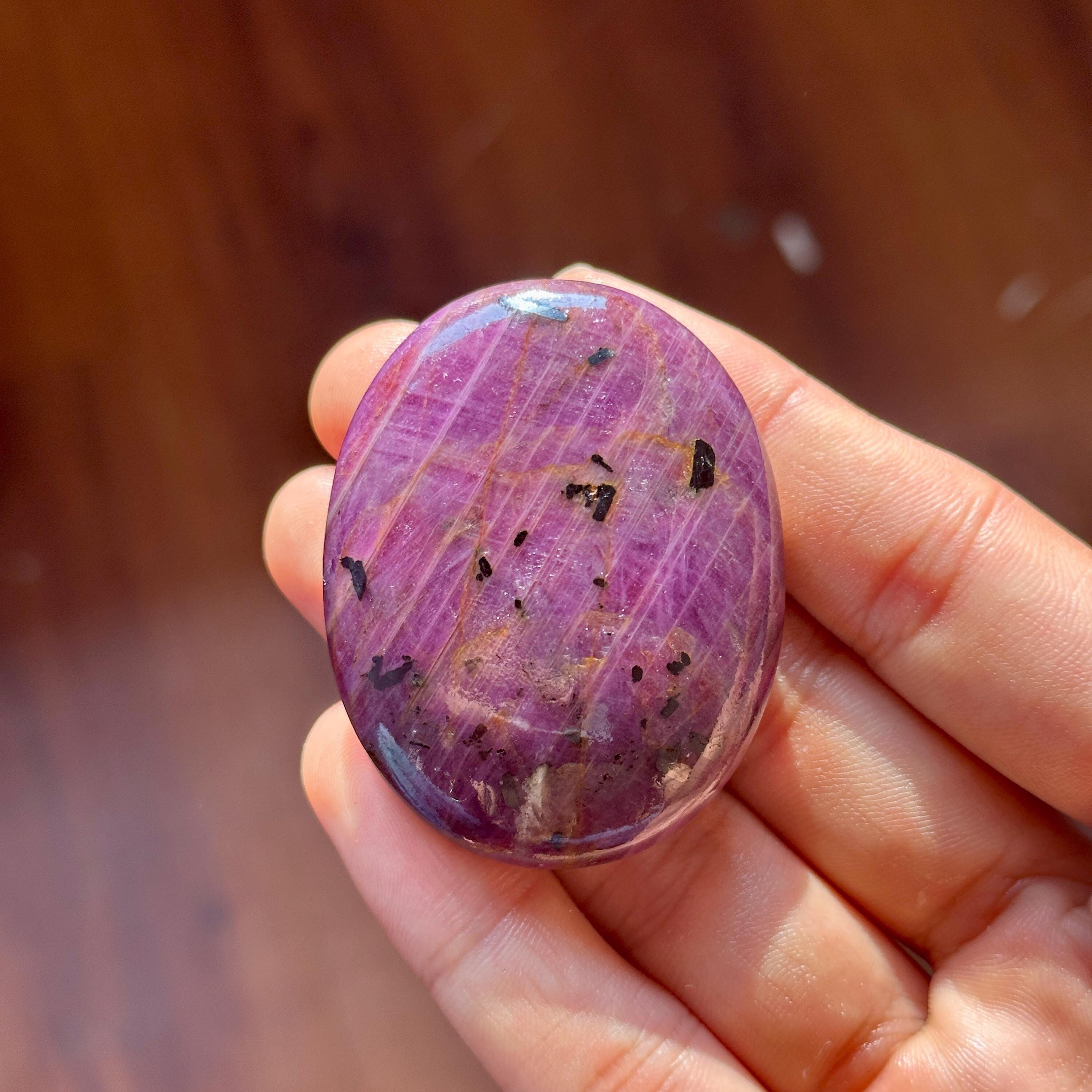
How a star gets into a ruby
Asterism explained: the rutile needles that put a six-rayed star in star ruby and star sapphire, how the stones are cut to show it, and how to see it best.
How a crystal sphere is made
From rough block to polished ball: how crystal and stone spheres are sawn, ground and polished, why some stones make better spheres than others, and what to look for.
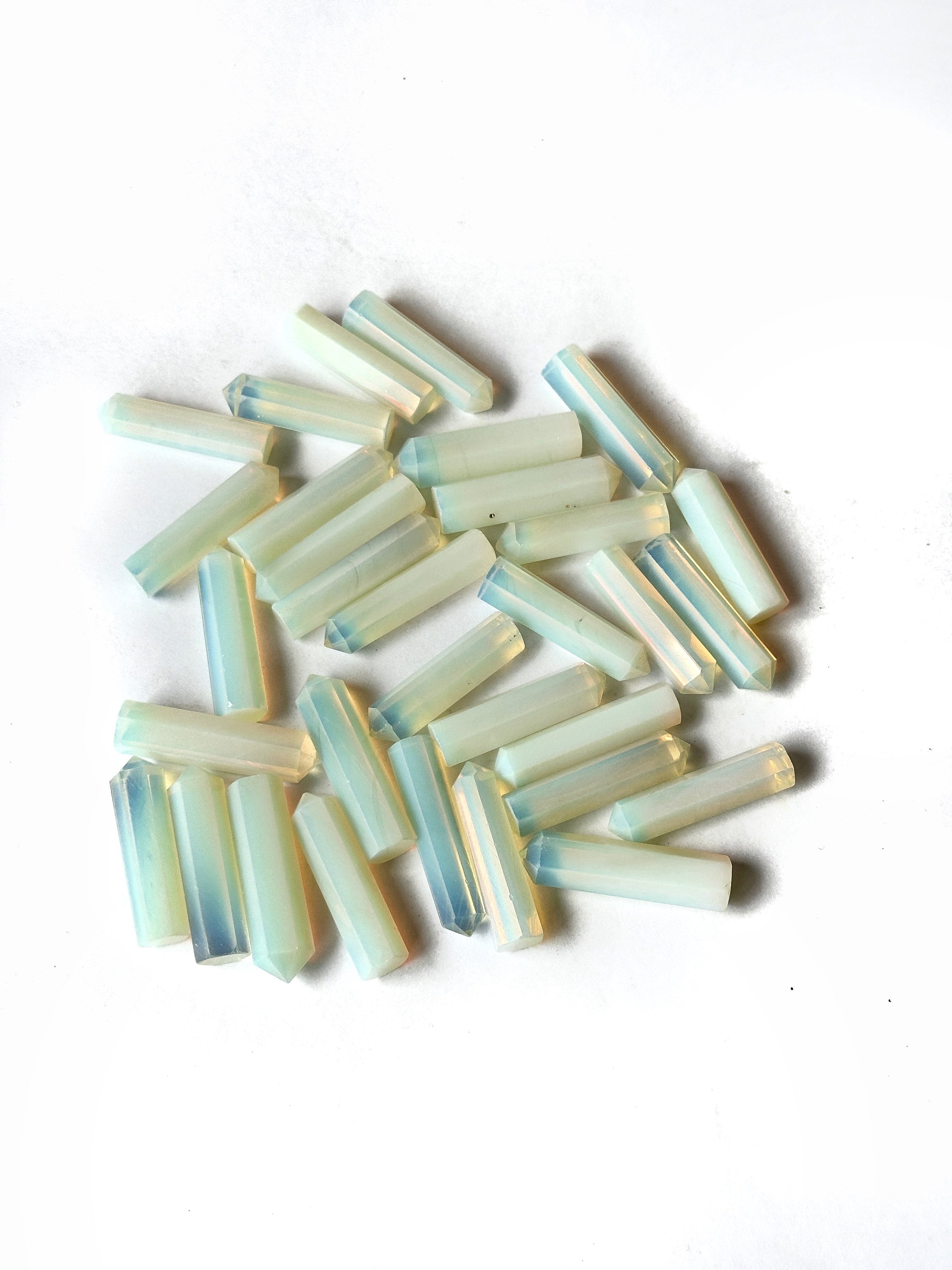
Glass, dye and heat: an honest guide to what's natural
Opalite, goldstone, cherry quartz, dyed howlite and heated citrine: which popular 'crystals' are man-made or treated, and how to tell.