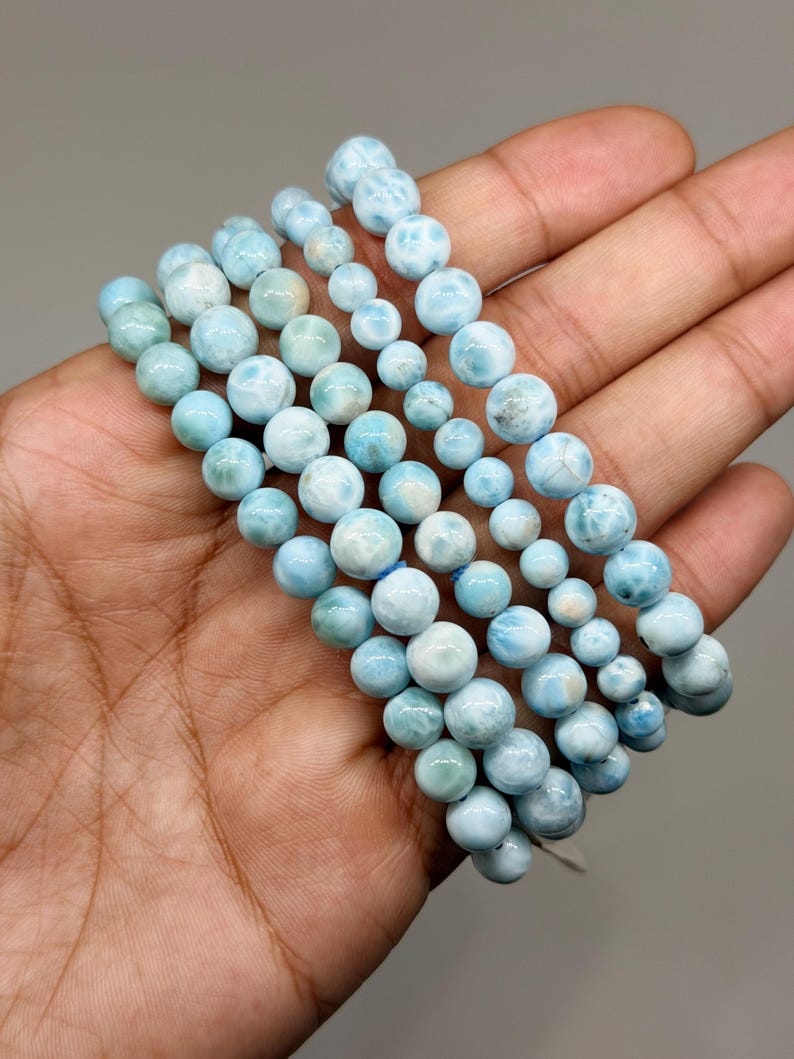
Larimar: what it is, where it's from, how to tell it's real
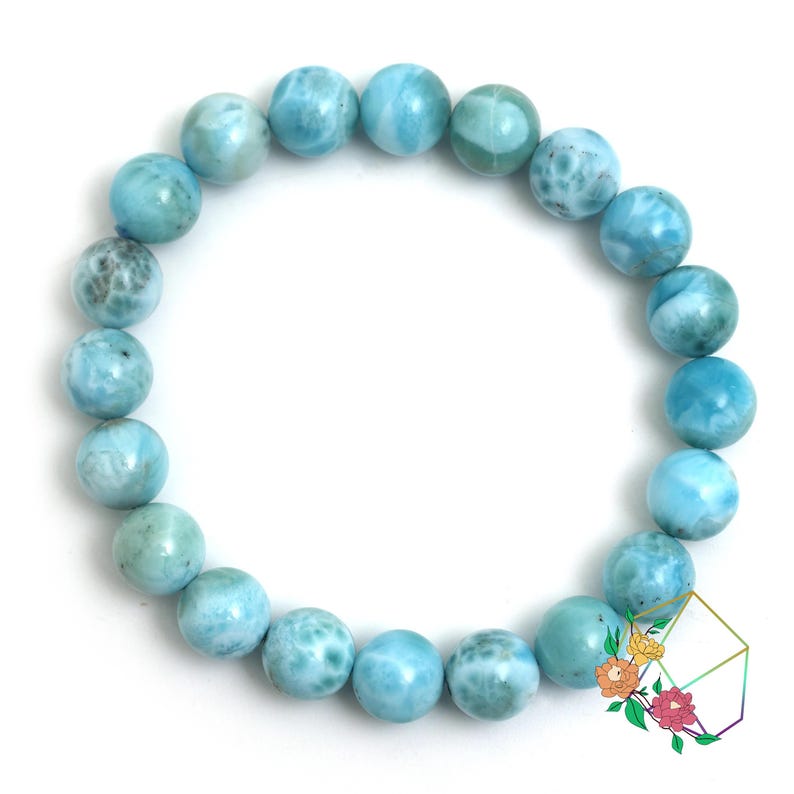
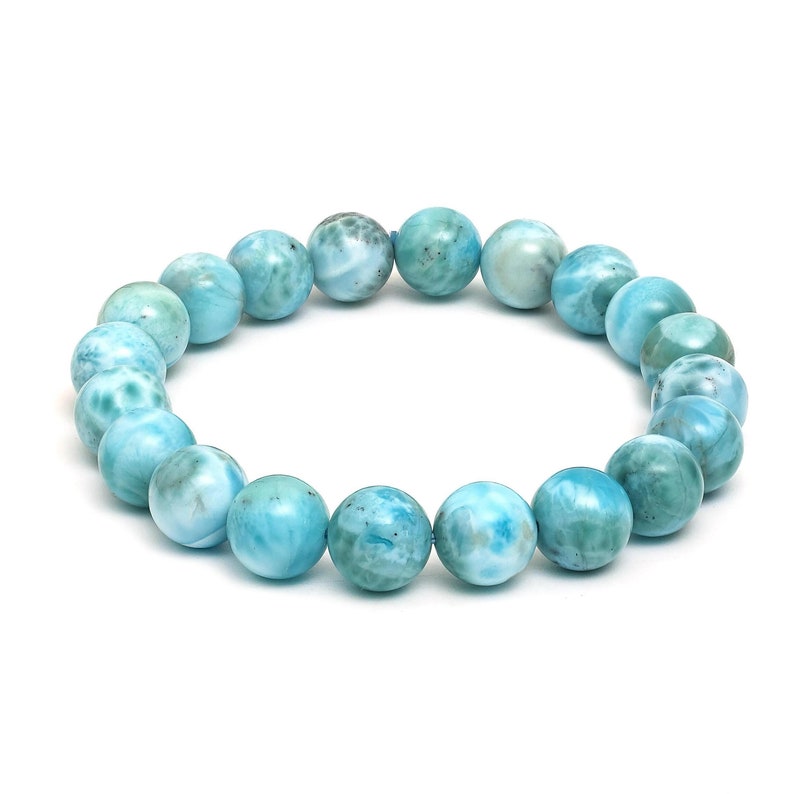
Larimar is the colour of shallow Caribbean water: sky blue to deep sea blue, crossed with white. It's found in one place on earth, a mountainside in the Dominican Republic, and that single source is what makes it both loved and widely imitated.
What it is
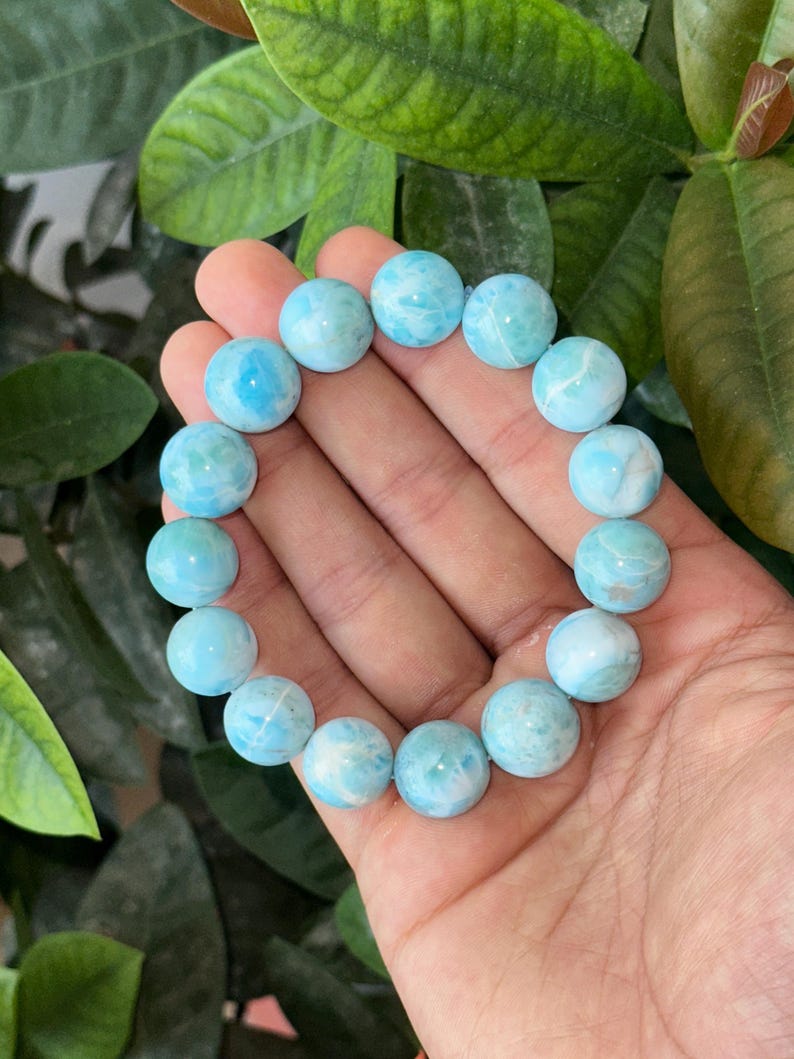
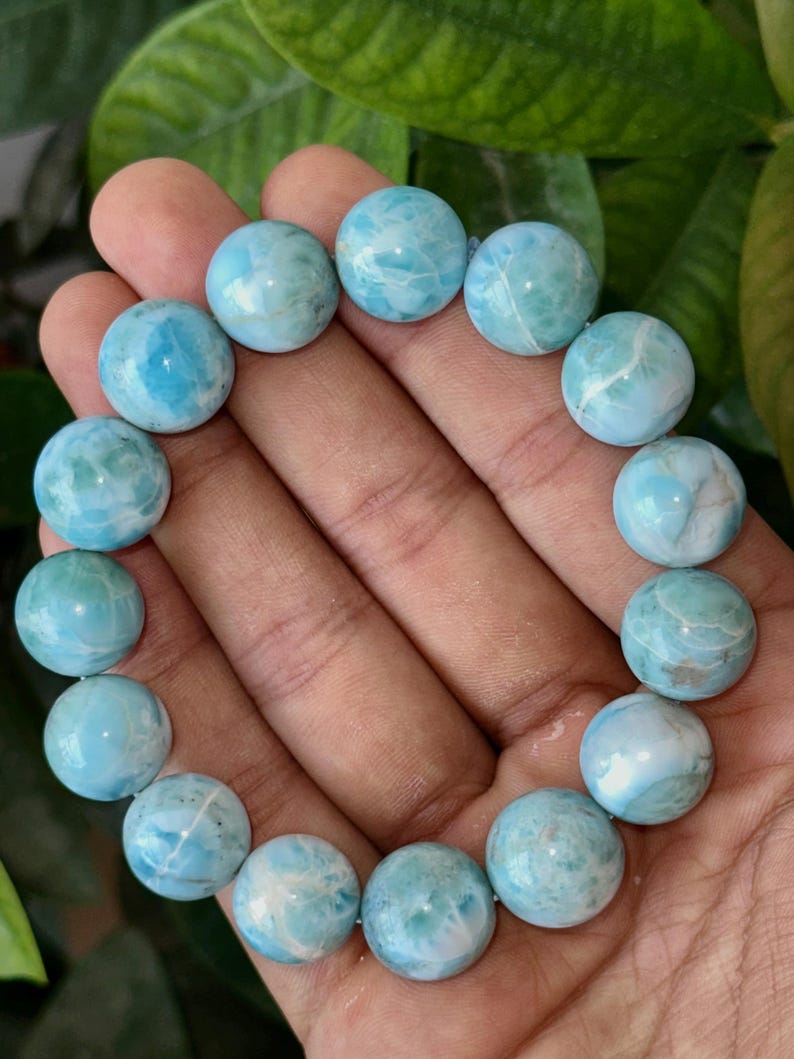
Larimar is a blue variety of pectolite, a sodium calcium silicate that is usually white or grey. Traces of copper are thought to give larimar its blue. It forms in cavities in volcanic rock, and grows as fibrous, radiating masses, which is why polished larimar shows the white "spider-web" and "turtle-back" patterns that collectors look for. Deeper, more even blue is rarer and more valuable than pale or patchy material.
Where it comes from
All larimar comes from the Barahona province in the southwest of the Dominican Republic, from a small area of hand-dug mines in the mountains. It became known outside the island in the 1970s, and the name was coined then, from "Lari," after the daughter of one of the people who brought it to market, and "mar," Spanish for sea. The mines are narrow shafts worked by hand, and supply depends on how deep and how safely they can be dug.
How to tell real larimar
- Look for the pattern. Real larimar shows natural white webbing, spots and fibrous structure through the blue. Perfectly even blue with no pattern is suspicious.
- Watch for dyed stones. Howlite, magnesite and chalcedony are dyed blue and sold as larimar. Dye tends to gather in cracks and pits and can look too bright or too even.
- Watch for glass and resin. Glass and plastic imitations feel warm, may show round bubbles under a loupe, and lack the fibrous look of pectolite.
- Ask where it's from. Genuine larimar has one answer: the Dominican Republic.
Looking after it
Larimar is fairly soft (around 4.5 to 5 on the Mohs scale) and its blue can fade with long exposure to strong sunlight or heat. Keep it out of sunny windows, store it apart from harder stones, and clean it with a soft cloth and plain water only.
See the larimar pieces in the shop.
Questions
- Where does larimar come from?
- Only from the Barahona province of the Dominican Republic, from small hand-dug mines. No other source is known.
- What is larimar made of?
- Larimar is a blue variety of the mineral pectolite. Traces of copper are thought to give it its colour.
- How can I tell if larimar is real?
- Real larimar shows natural white web-like and fibrous patterns through the blue. Evenly coloured blue stone, or colour gathered in cracks, is often dyed howlite, magnesite or chalcedony.
- Does larimar fade?
- It can. Long exposure to strong sunlight or heat can pale its blue, so keep it out of sunny windows.