
Cavansite: what it is, where it's from, how to tell it's real
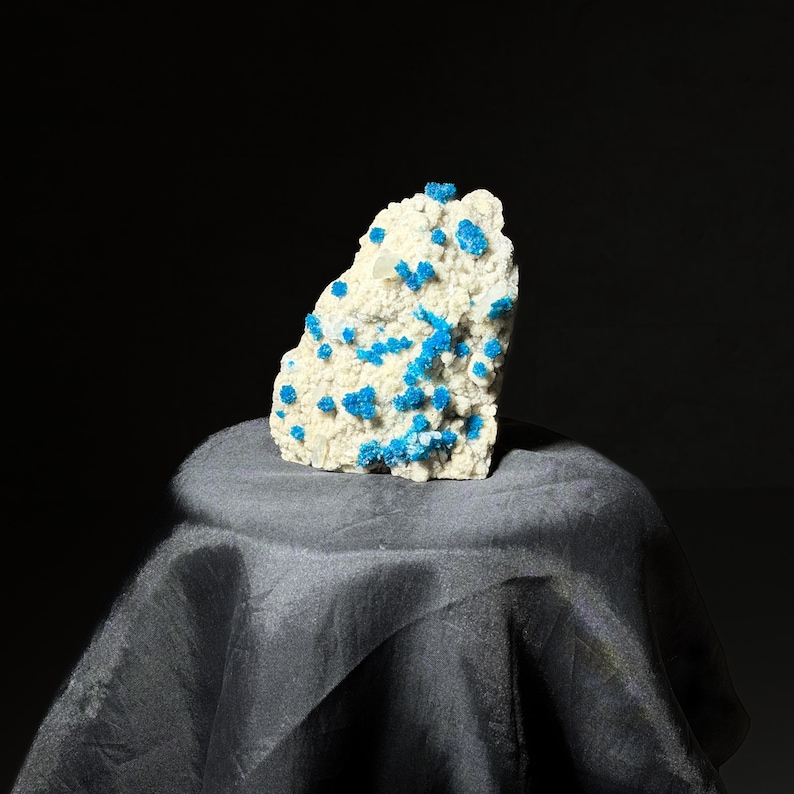
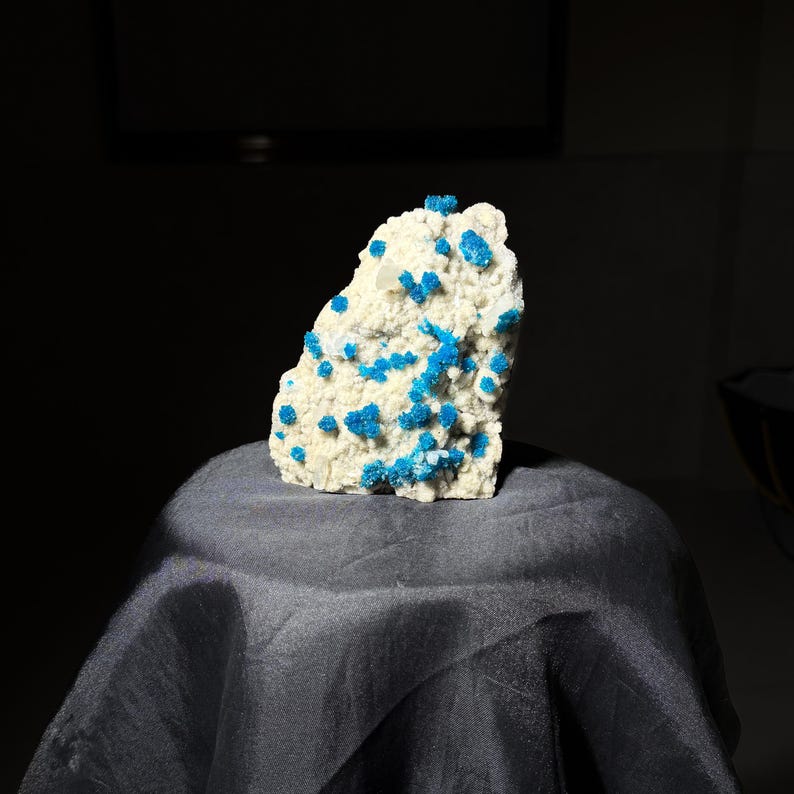
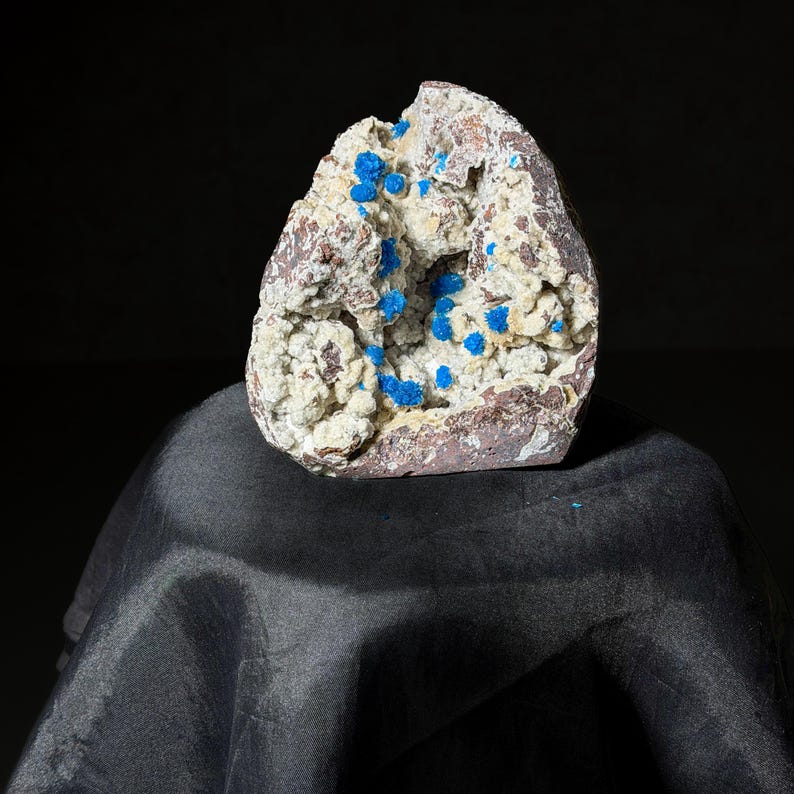
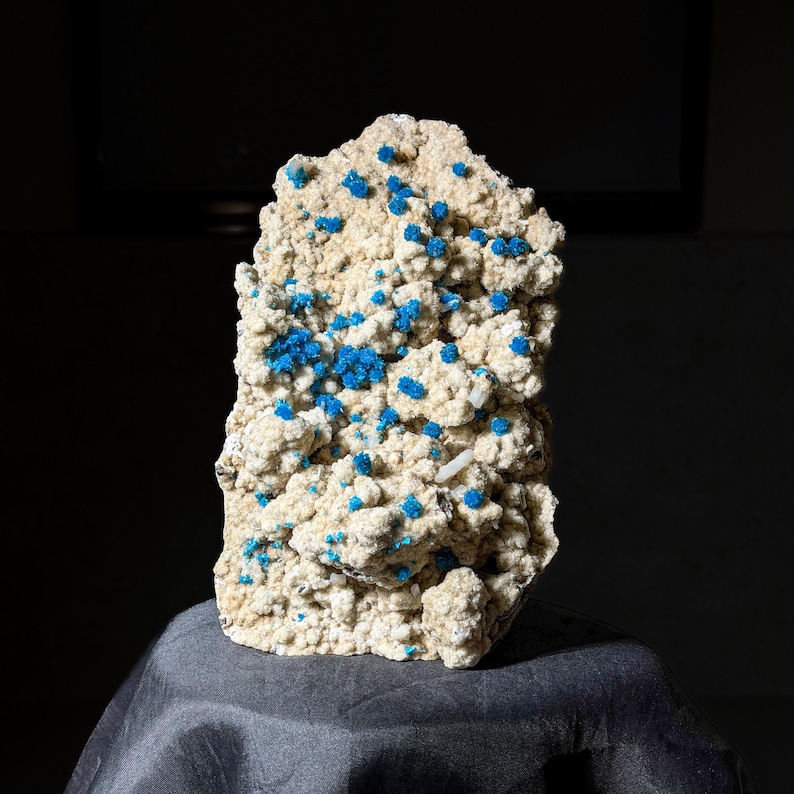
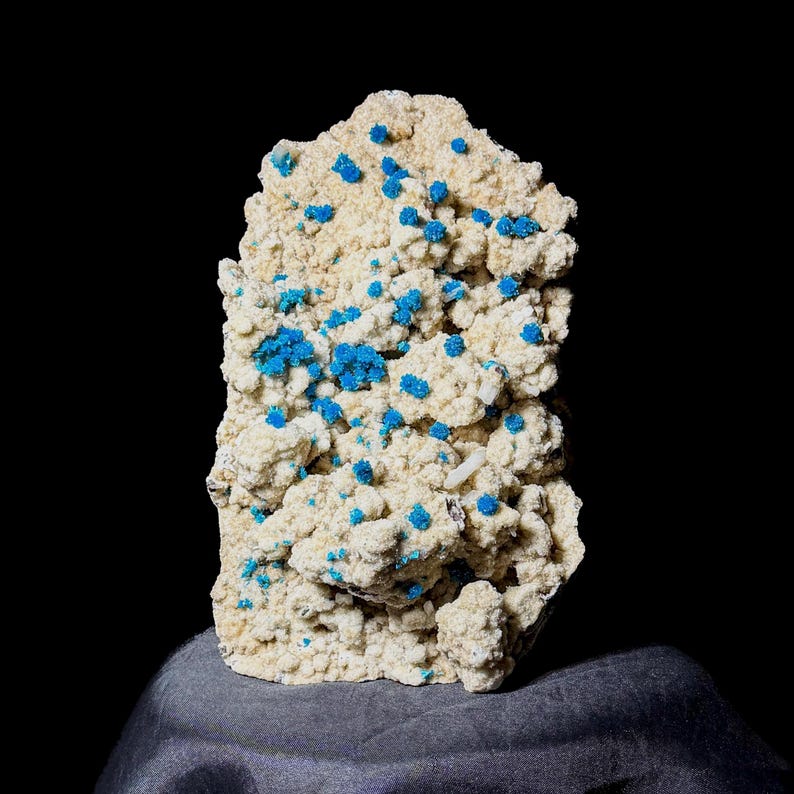
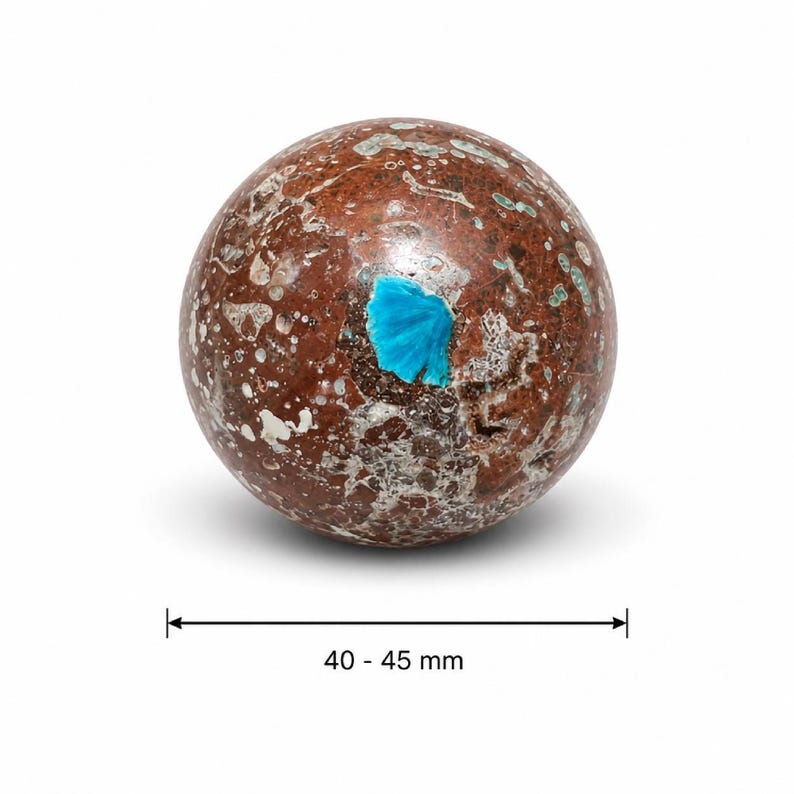
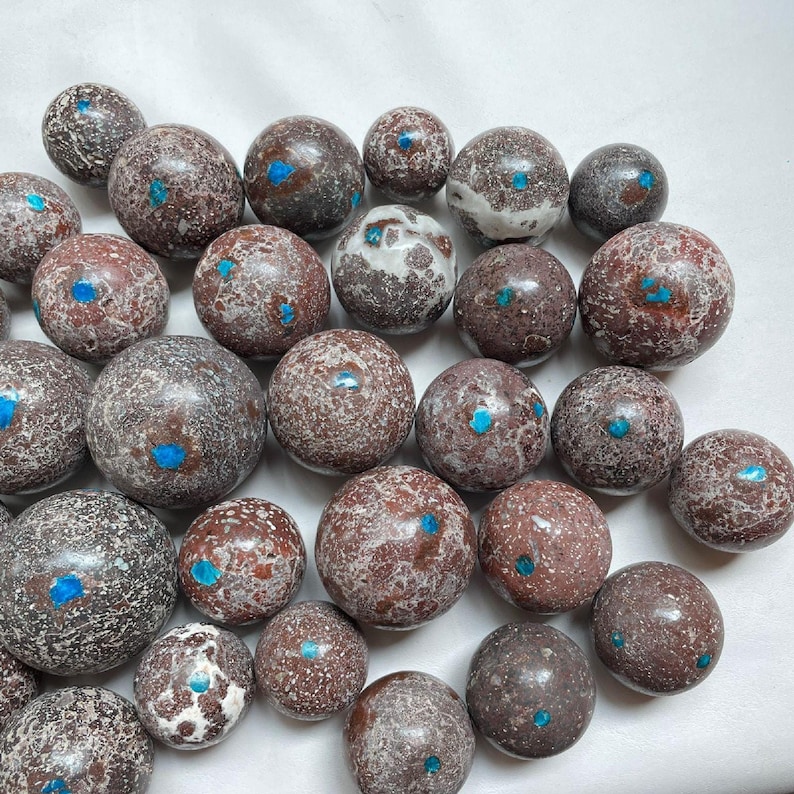
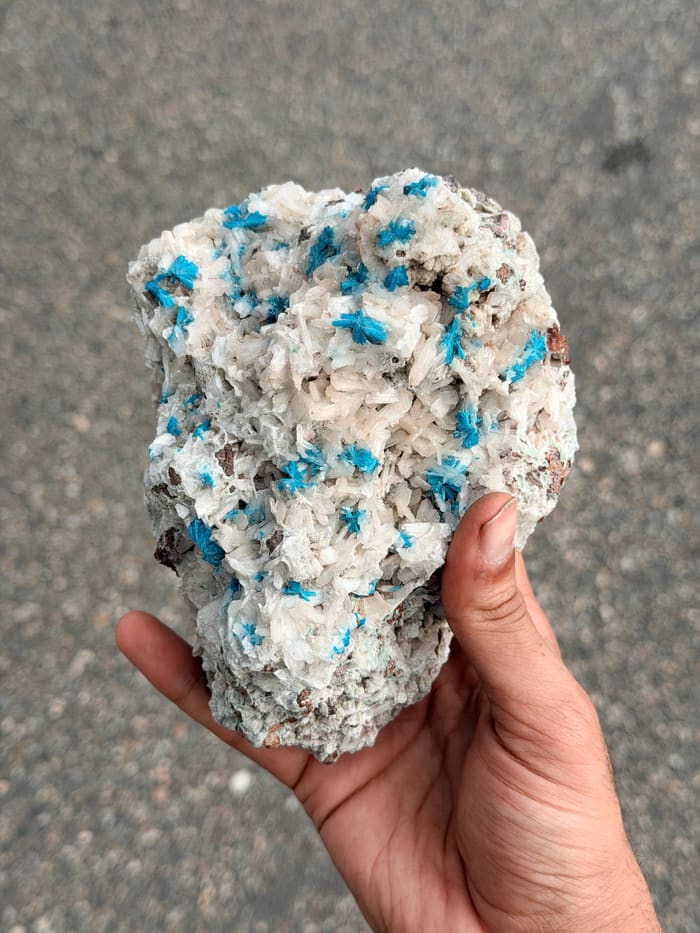
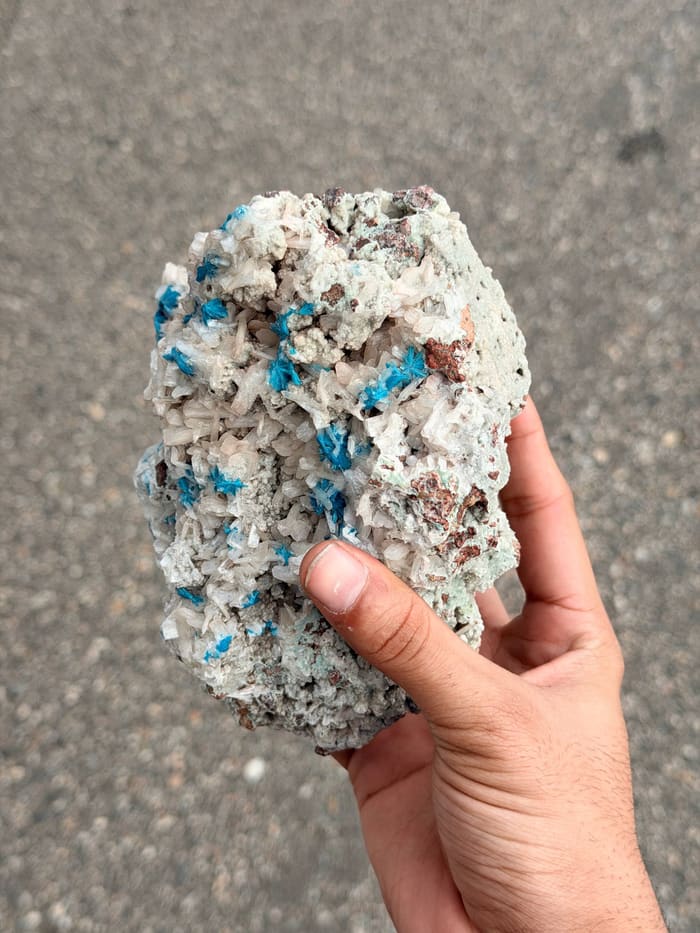
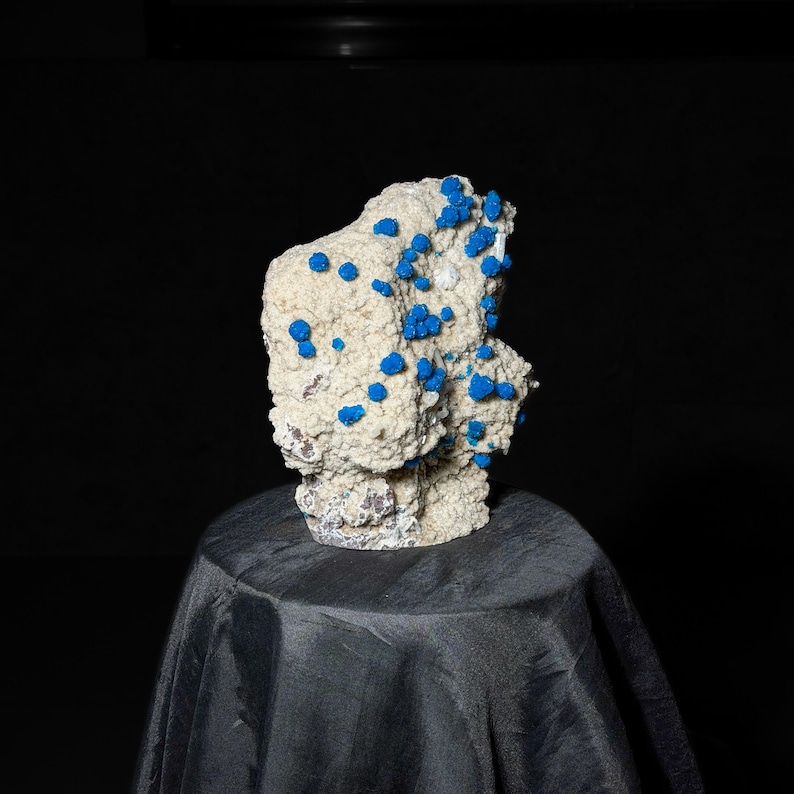
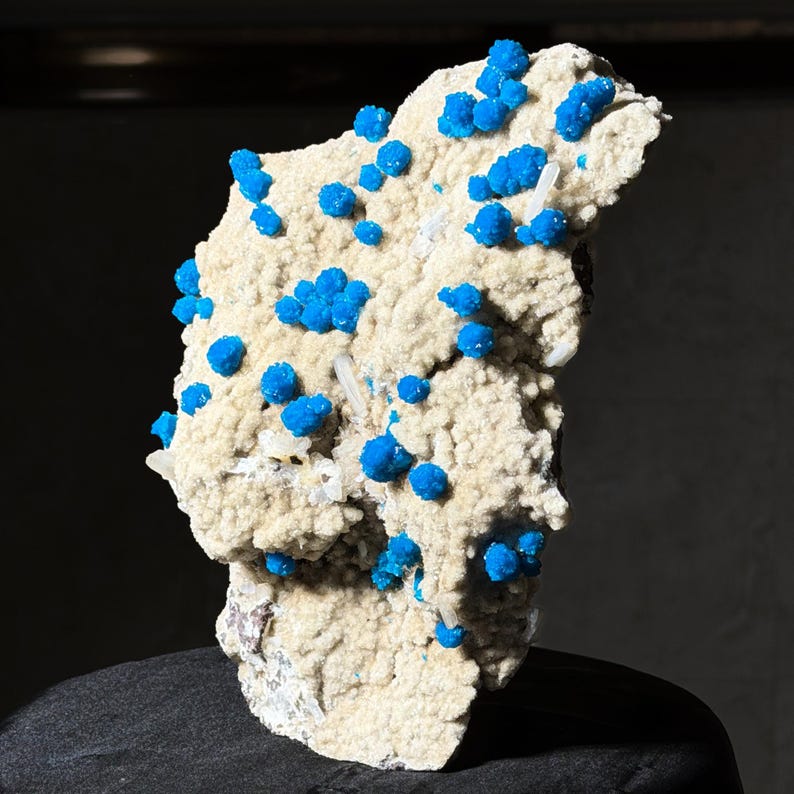
Cavansite is the bright blue of the mineral world: small, vivid rosettes of radiating crystals, usually sitting on white stilbite or on dark basalt. Its colour is so intense that people often ask whether it's dyed. It isn't, and the finest cavansite anywhere comes from a handful of quarries near Pune, in western India.
What it is
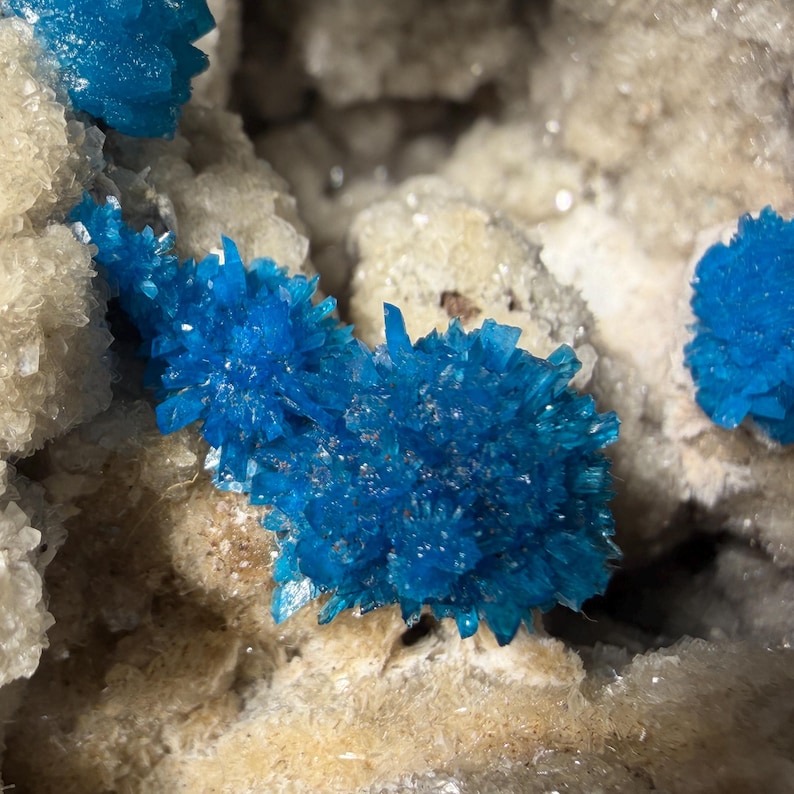
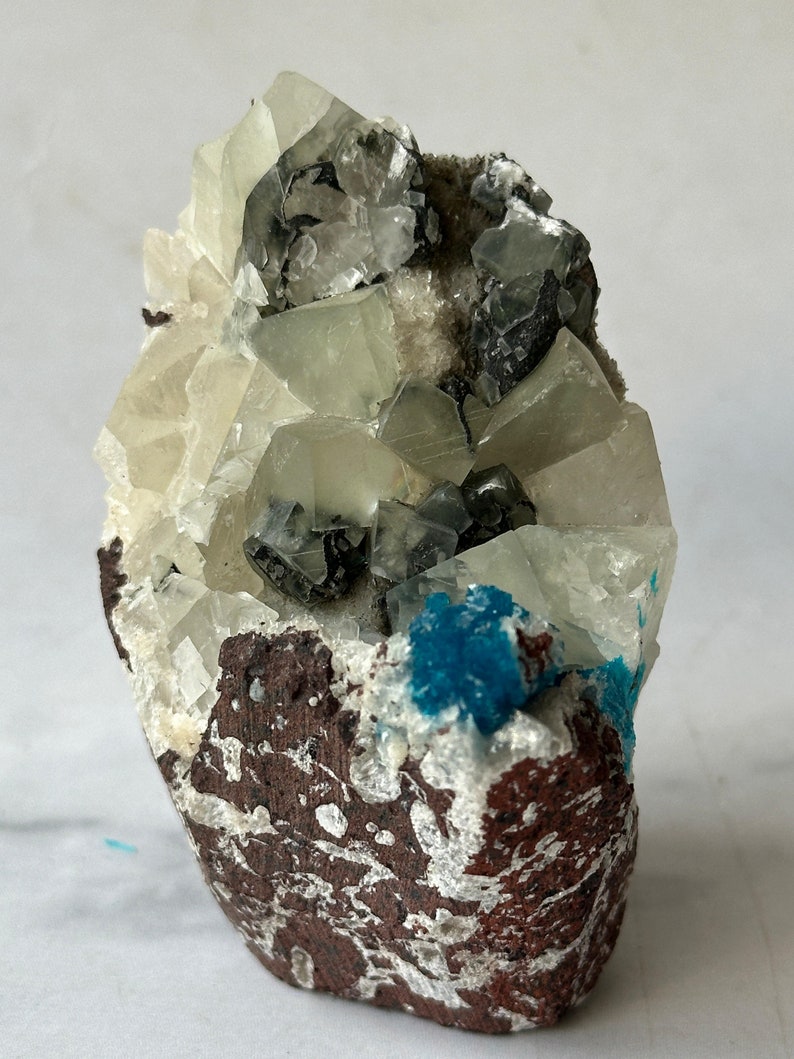
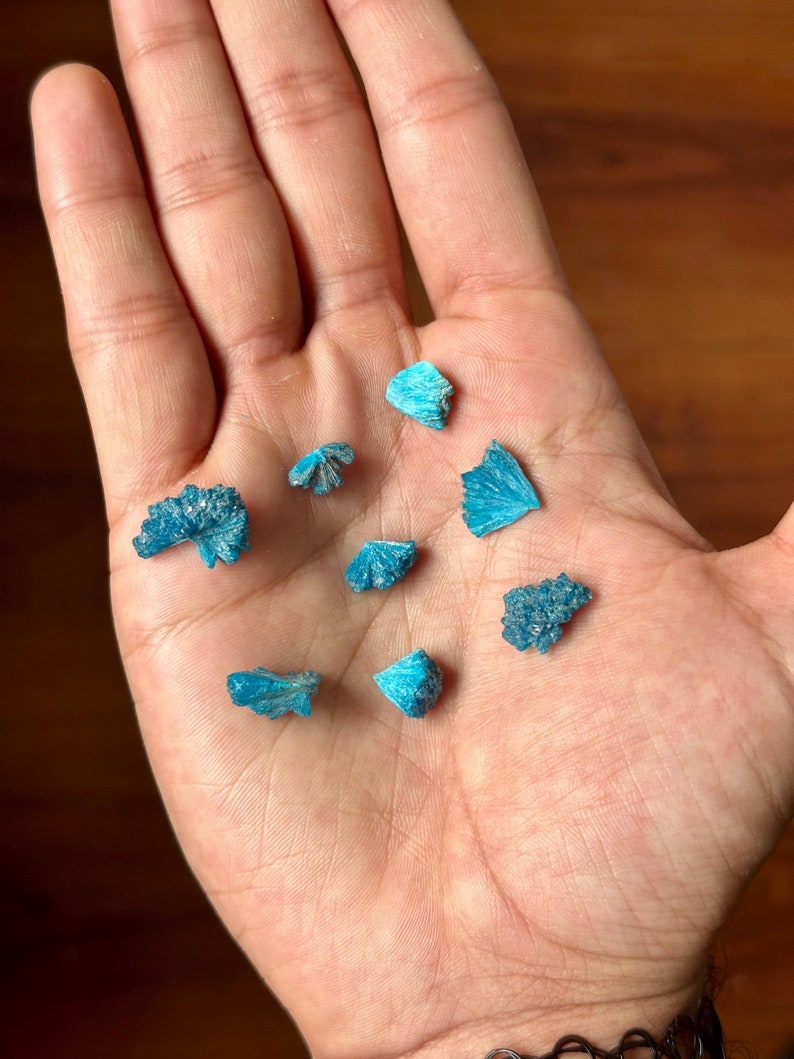
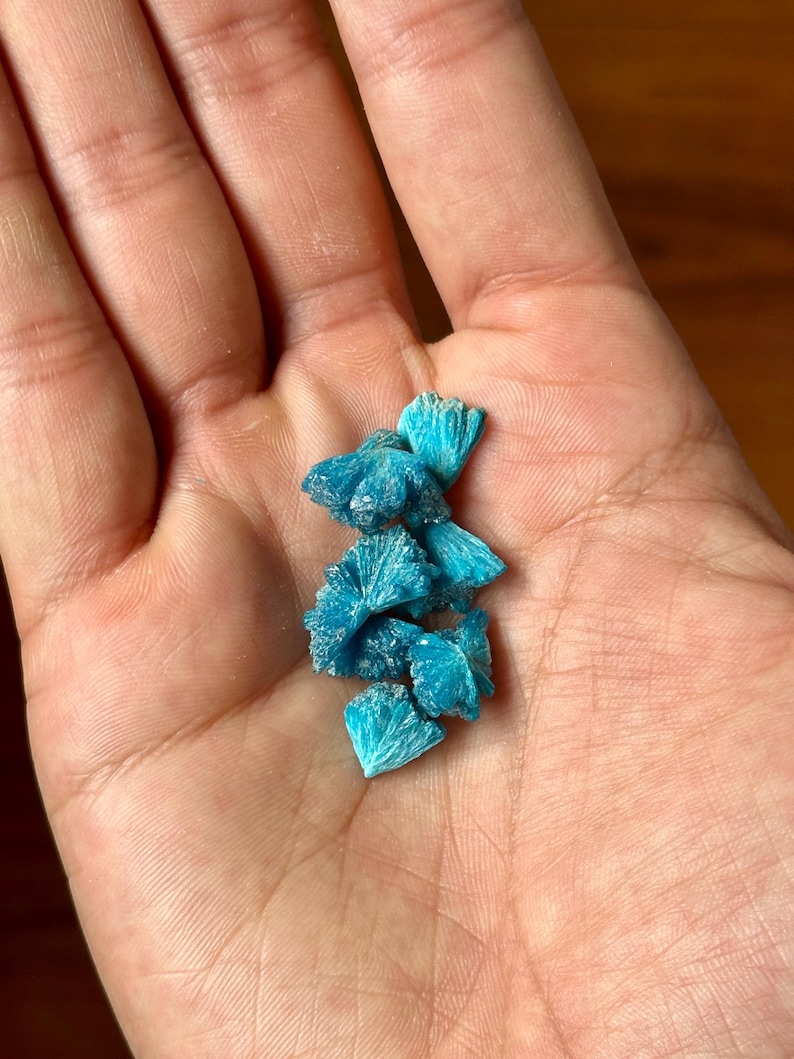
Cavansite is a calcium vanadium silicate. The name is built from its ingredients: calcium, vanadium and silicon. Vanadium gives it the electric blue to greenish-blue colour. It forms in gas pockets in volcanic basalt, the same cavities that give India its apophyllite and stilbite, growing as tiny needle-like crystals that fan out into balls and bow-ties a few millimetres to a centimetre or two across. Pentagonite has exactly the same chemistry but a different crystal structure, and is much rarer.
Where it comes from
The mineral was first described in 1973 from Oregon in the USA, but the specimens that made it famous came later, from the basalt quarries around Pune in Maharashtra, above all Wagholi. Those quarries sit in the Deccan Traps, a huge sequence of ancient lava flows that is one of the world's great sources of zeolite minerals. Work in the quarries is for building stone, so cavansite turns up only when a pocket is blasted open, and good finds are irregular.
How to tell real cavansite
- Look at the crystals. Real cavansite forms radiating sprays of fine needles, glassy and translucent at the tips. Under a loupe you should see individual crystals, not a blue crust or paint.
- Check how it sits on the matrix. The most common trick with Indian zeolites is not a fake mineral but a repair: a loose rosette glued back onto a matrix, or onto a better-looking one. Look at where the blue meets the stilbite or rock. Natural contacts are intergrown; glue shows as a shiny film or a neat edge.
- Be wary of big blue pieces at small prices. Large, dense cavansite is rare, and priced accordingly.
Looking after it
Cavansite is soft (about 3 to 4 on the Mohs scale) and the rosettes are delicate. Handle the specimen by its matrix, keep it out of direct sun, and dust it with a soft brush or a puff of air. Don't wash it, and never put it in an ultrasonic cleaner.
See the cavansite specimens in the shop, and more minerals from the same rock in apophyllite and stilbite.
Questions
- Where is cavansite found?
- The finest cavansite comes from the basalt quarries around Pune, Maharashtra, India, especially Wagholi. It was first described from Oregon, USA, in 1973.
- Is cavansite naturally blue?
- Yes. The blue comes from vanadium in the mineral itself; cavansite is not dyed.
- How do I clean cavansite?
- Don't wash it. Hold it by the matrix and remove dust with a soft brush or a puff of air. The rosettes are soft and fragile.
- What is the difference between cavansite and pentagonite?
- They have the same chemical formula but different crystal structures. Pentagonite forms twinned prisms and is much rarer; both come from the Pune quarries.