Khambhat: 4,500 years of Indian agate and carnelian
The Gujarat town that has cut agate and carnelian since the Harappan era: the Ratanpur mines, heat-treating carnelian, and beads that reached Mesopotamia.
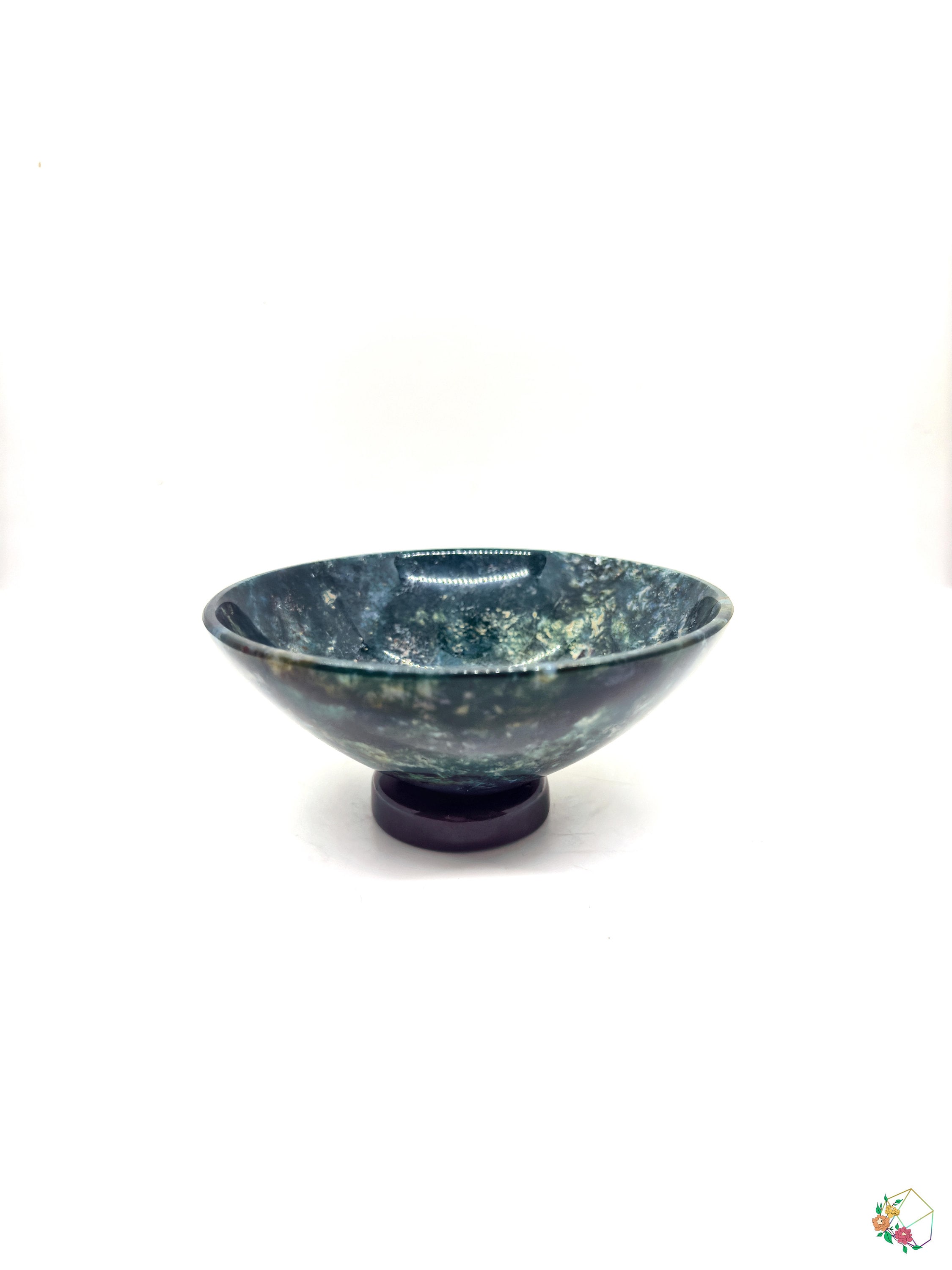
If you've ever owned an agate bead, a carnelian pendant or a polished agate bowl, there's a fair chance it passed through one town in Gujarat. Khambhat, once called Cambay, sits at the head of the gulf that bears its name, and its craftsmen have been cutting agate for longer than almost anyone, anywhere.
The Harappan bead makers
Around 2400 BCE, the Harappan (Indus Valley) civilisation built a port at Lothal, a short distance from where Khambhat stands now. Archaeologists found a bead factory there: workshops, kilns, drills and thousands of beads at every stage from rough flake to finished polish. The beads were carnelian, agate and jasper, some of them long and tapered, drilled end to end, work that takes days for a single bead even with modern tools.
Those beads travelled. Carnelian beads from the Indus region, including etched beads with white patterns burned into the red stone, have been found in royal tombs at Ur in Mesopotamia. Indian agate was a luxury trade good four and a half thousand years ago.
Ratanpur and the rough
The rough stone doesn't come from Khambhat itself. It's dug inland, most famously at Ratanpur, near Rajpipla, where agate and chalcedony nodules weather out of old volcanic rock, the same Deccan lava that gives us apophyllite further south. The nodules were carried down to the coast, and Khambhat did the cutting.
Red by fire
Much of the world's carnelian starts out a dull brownish or yellowish chalcedony. Khambhat's cutters learned, very early, that heat changes it: bake the rough slowly for days, traditionally in pots buried under dried dung that smoulders at a steady low temperature, and the iron in the stone turns to a clear, deep orange-red. That's the colour we think of as carnelian. The practice is ancient, and it's still how most carnelian is coloured today.
Agate, today
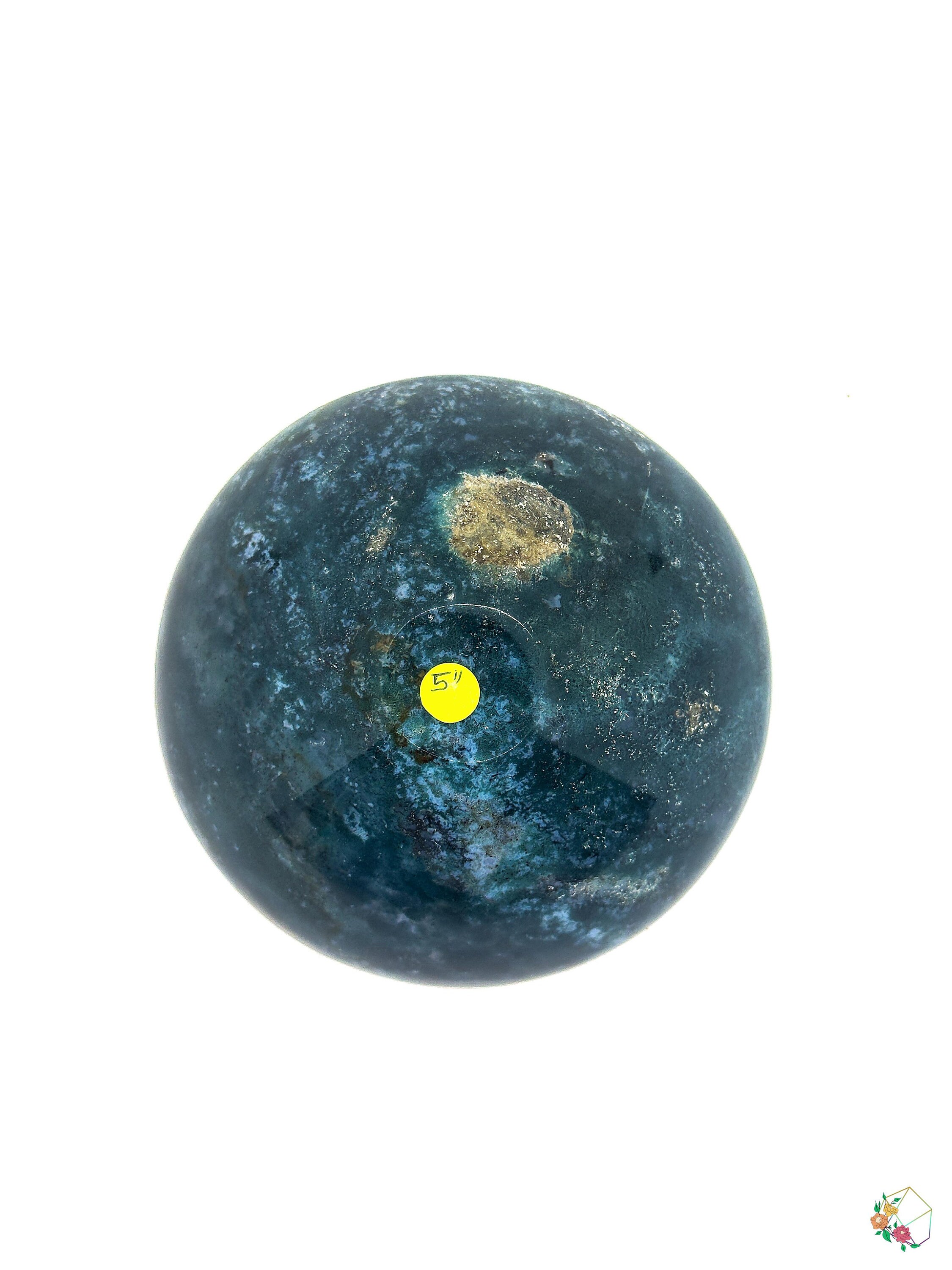
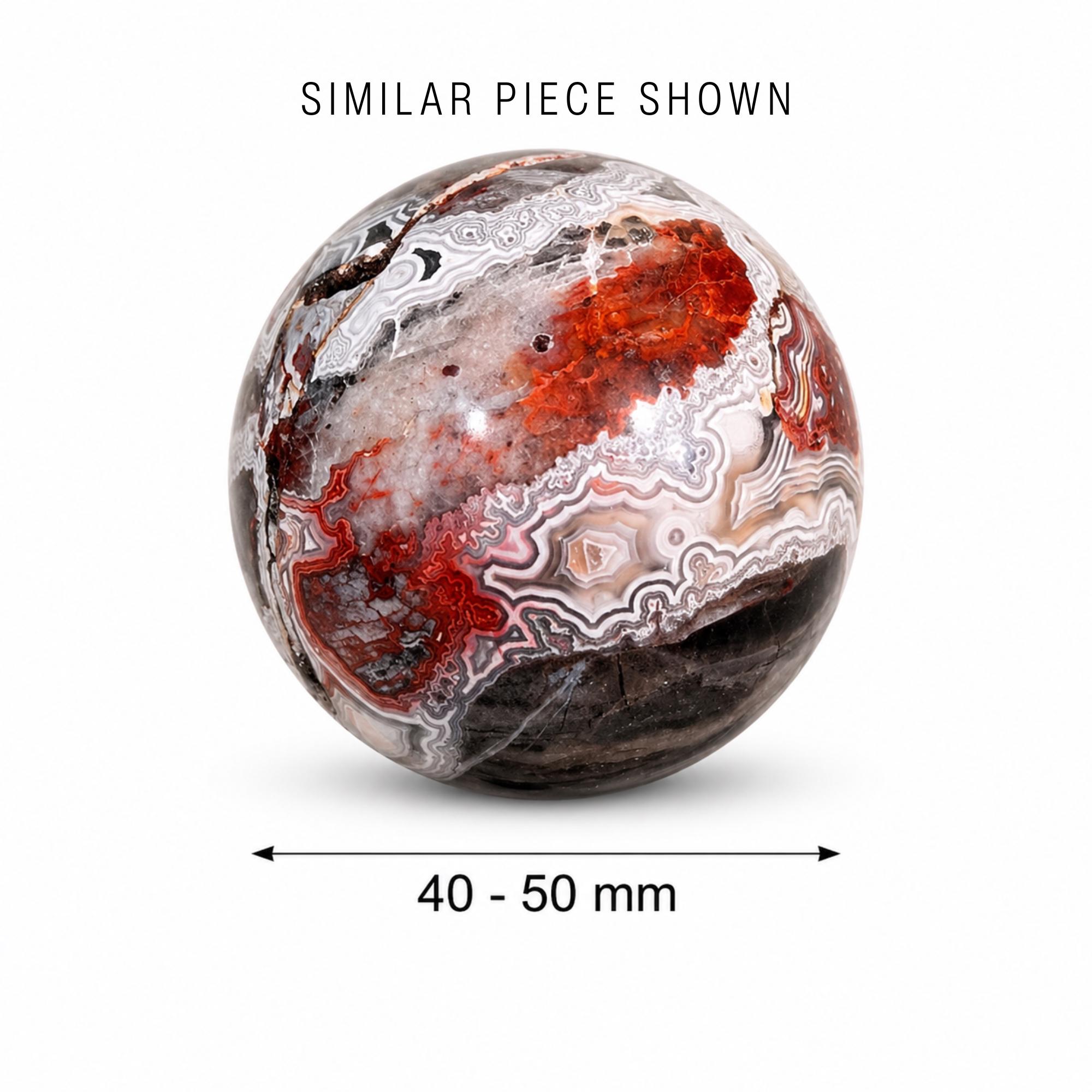
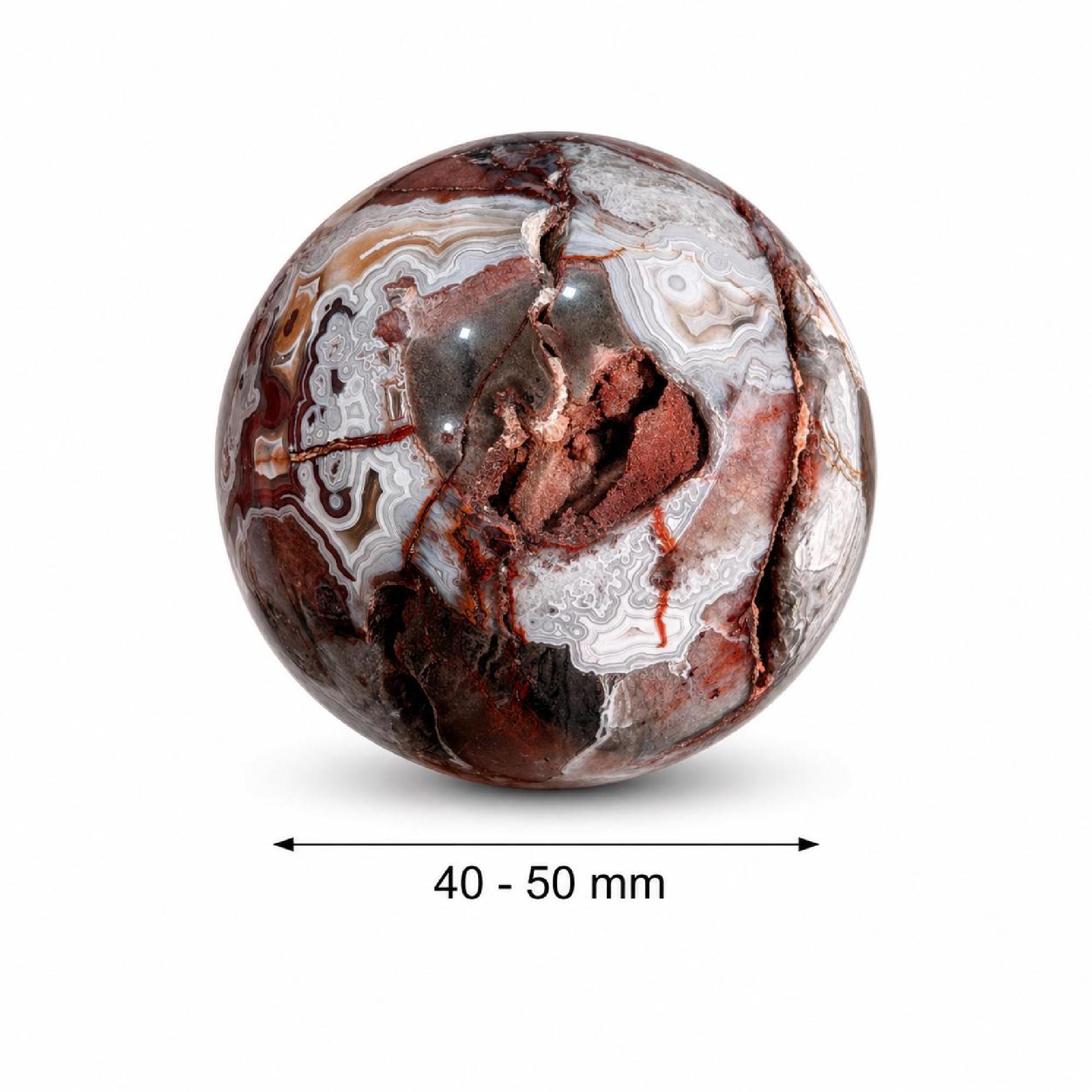
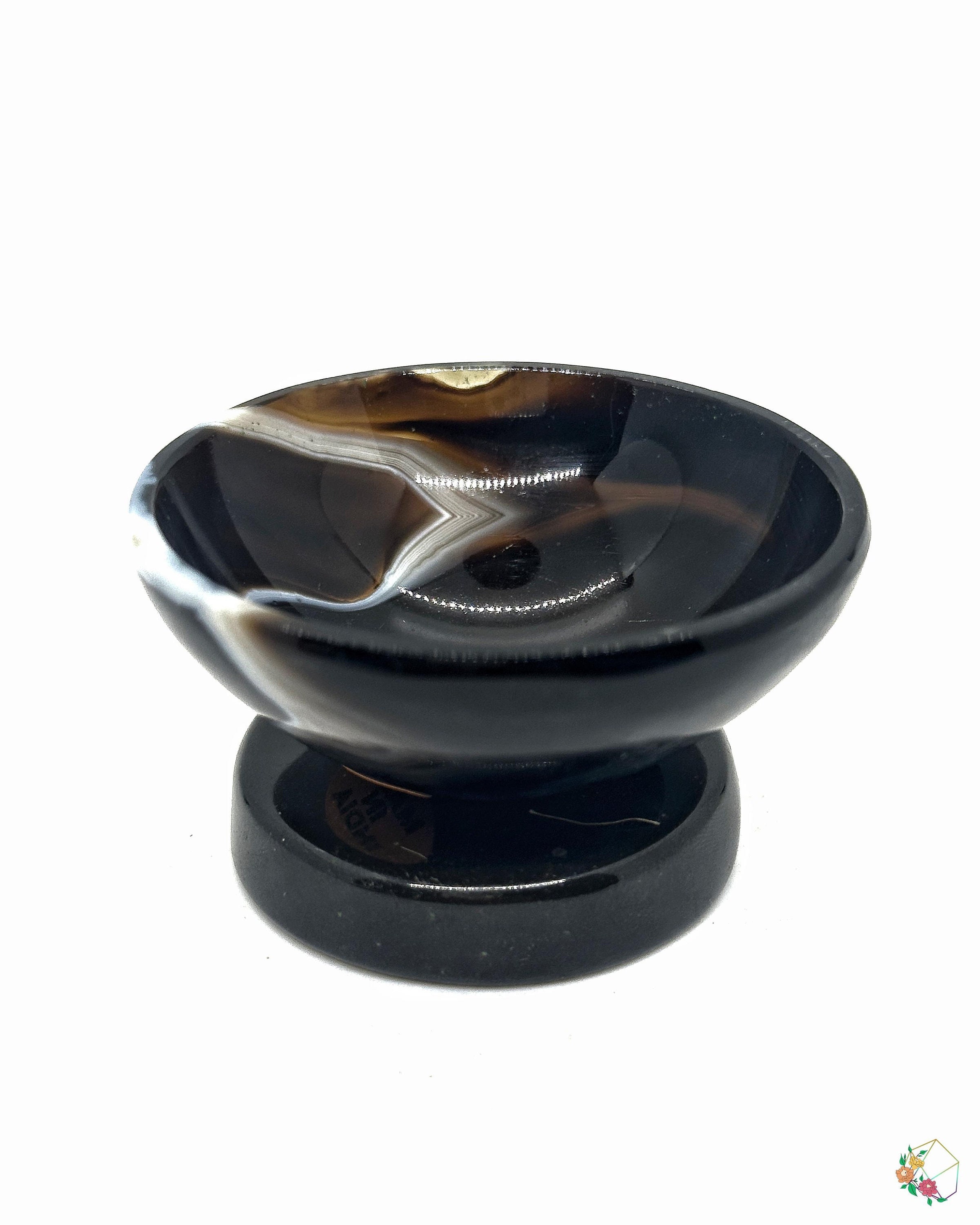
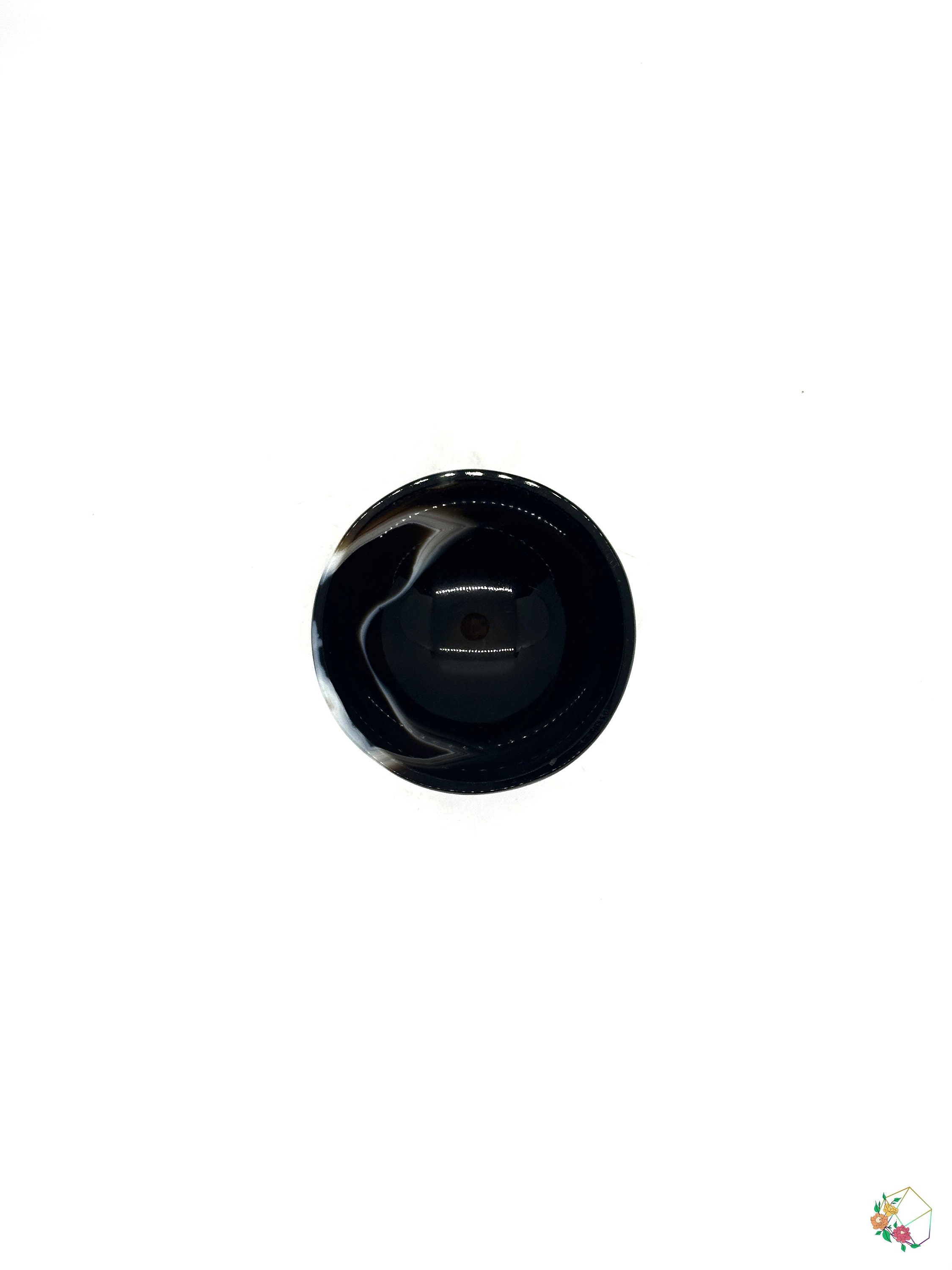
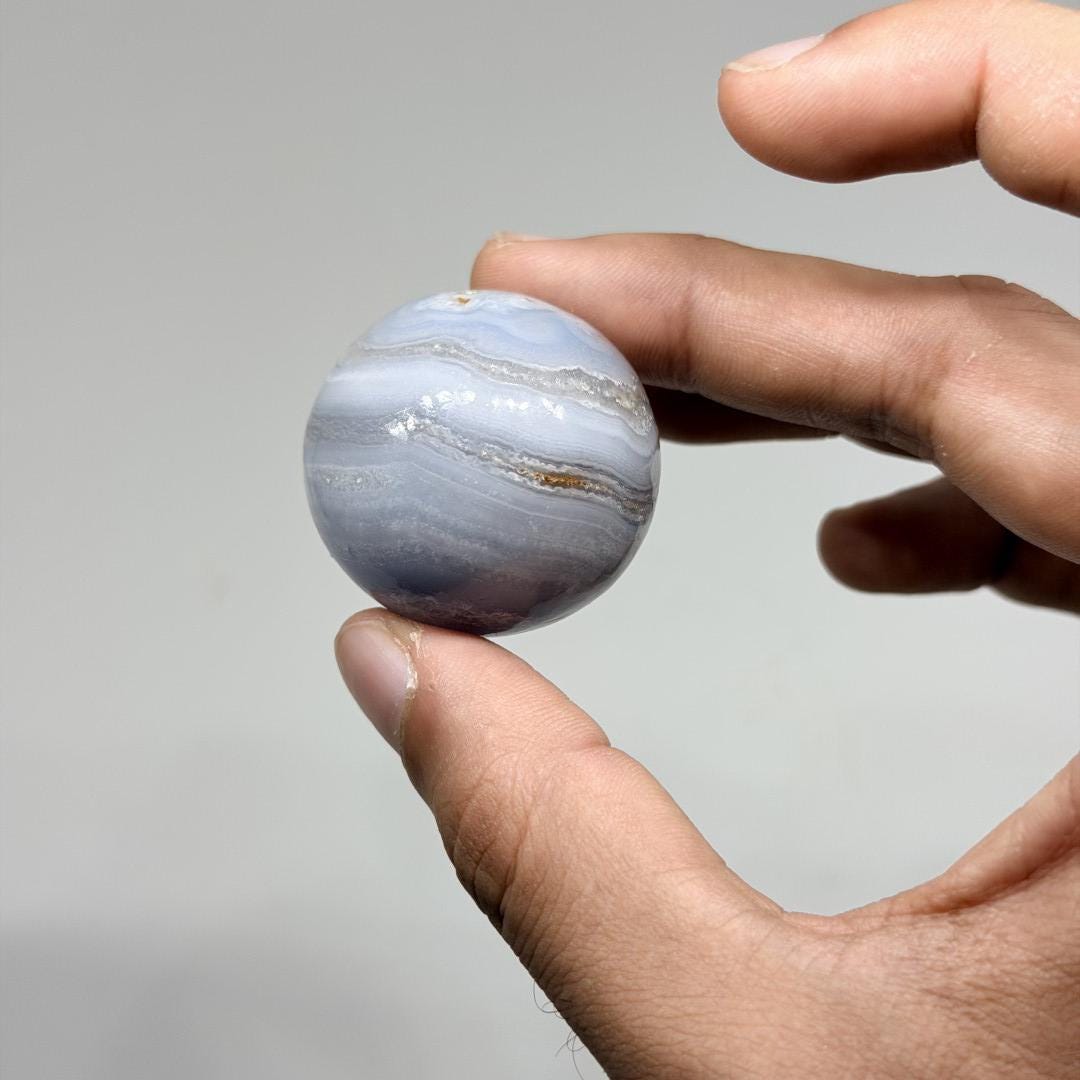
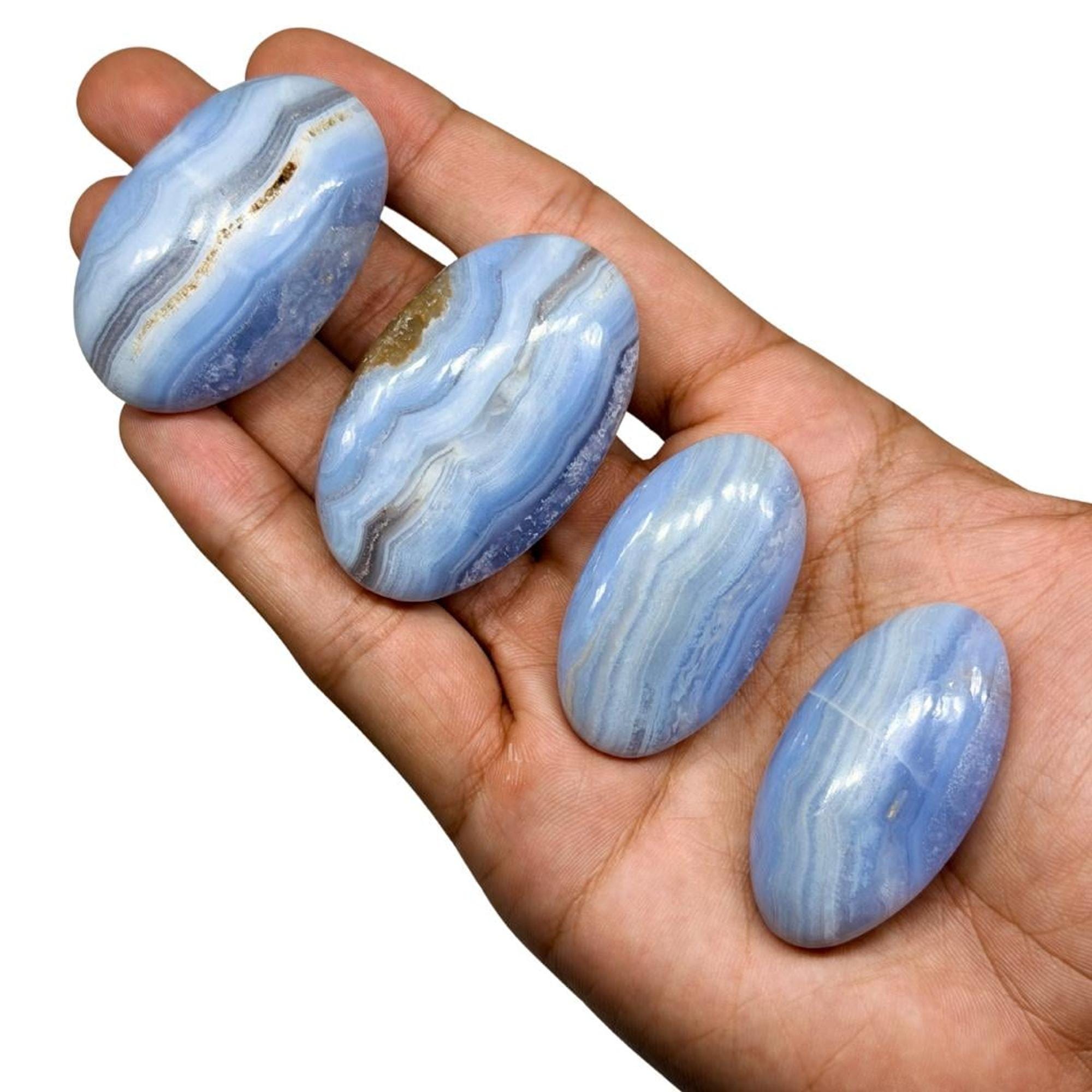
Khambhat is still a working town of cutters and polishers, and a lot of the agate, onyx and jasper objects sold around the world go through its workshops: beads, cabochons, bowls, spheres and carvings. The craft has moved from hand-bows to electric grinders, but the order of work hasn't changed much: saw, shape, grind, and polish.
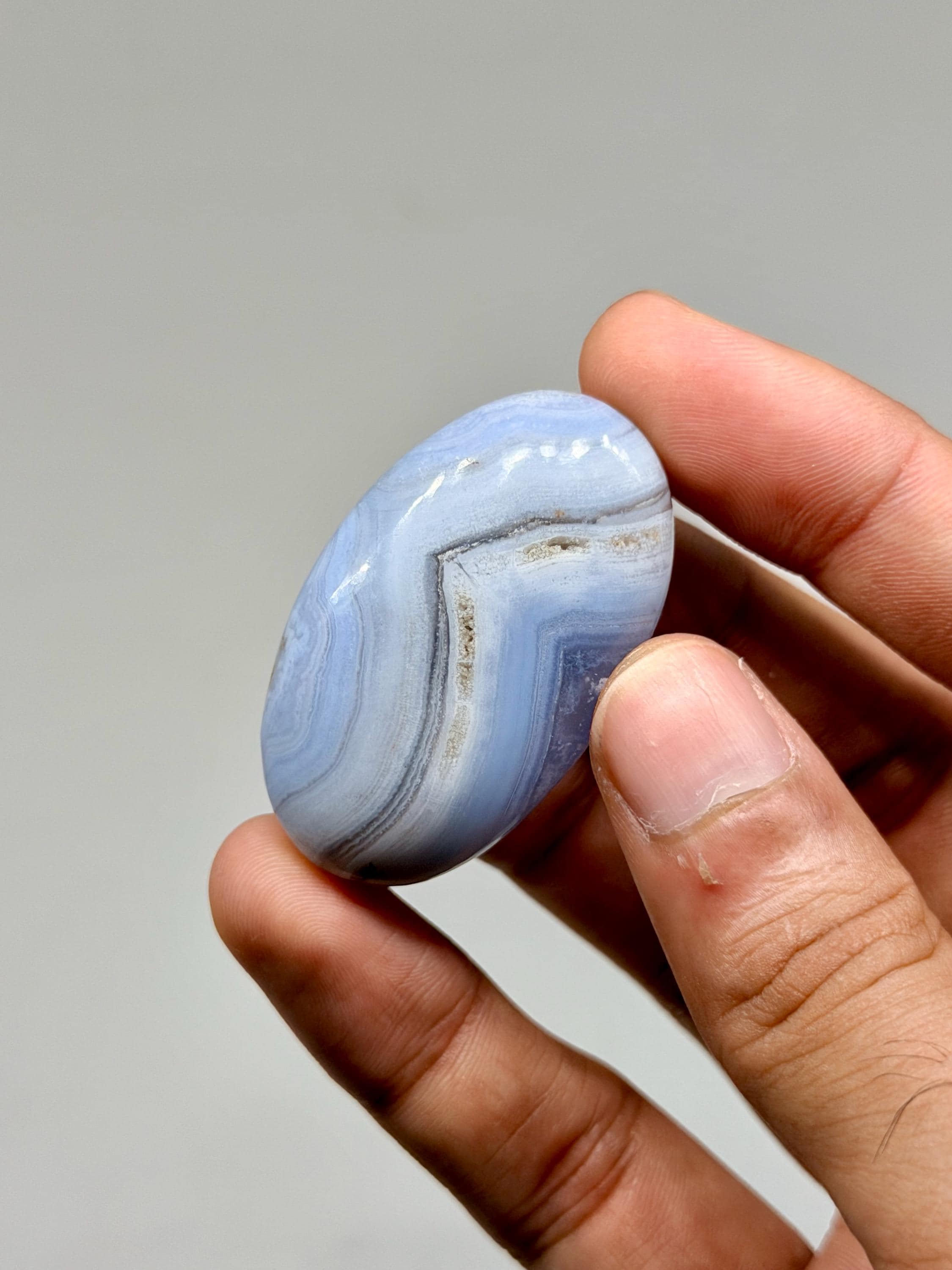
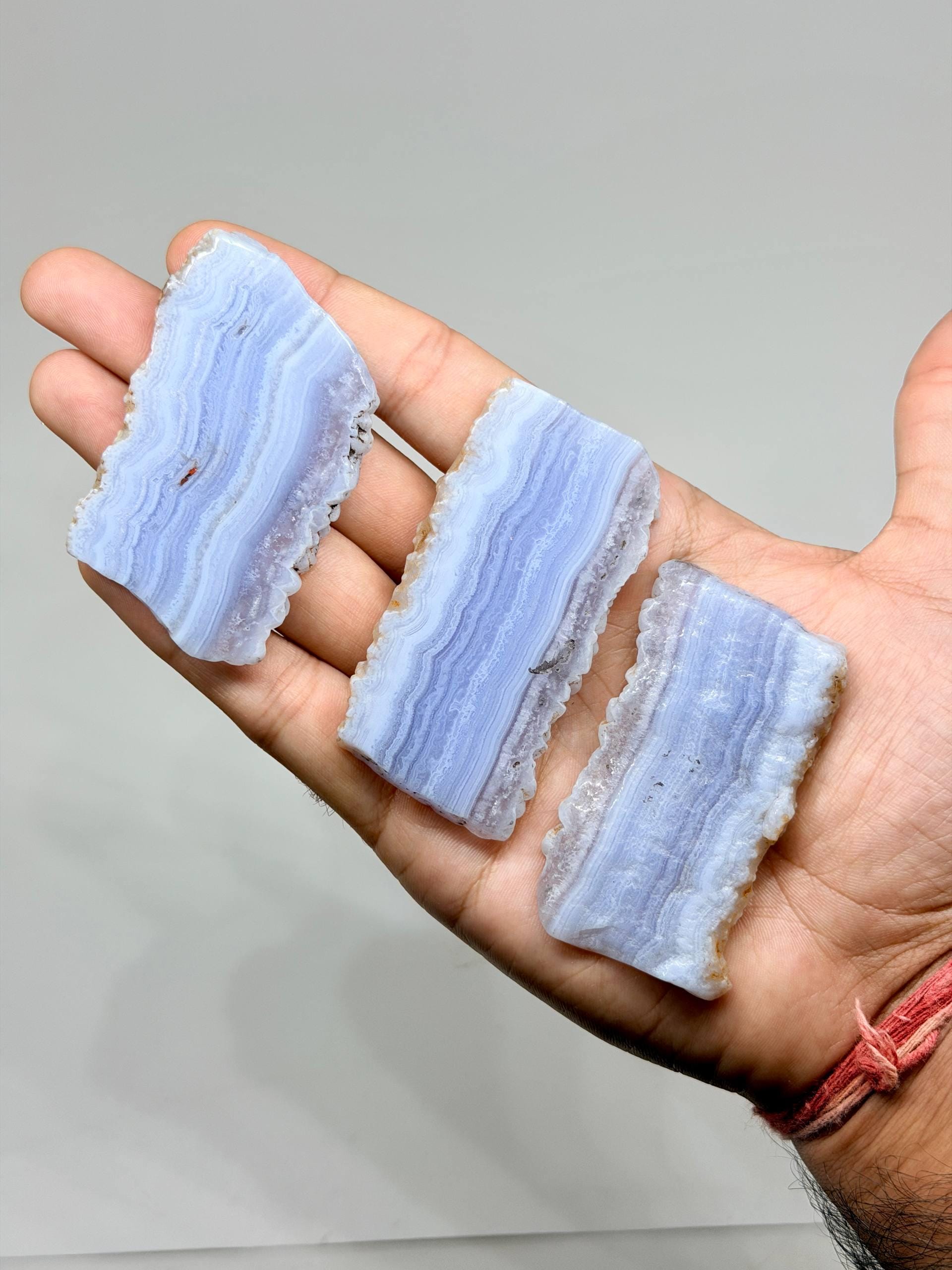
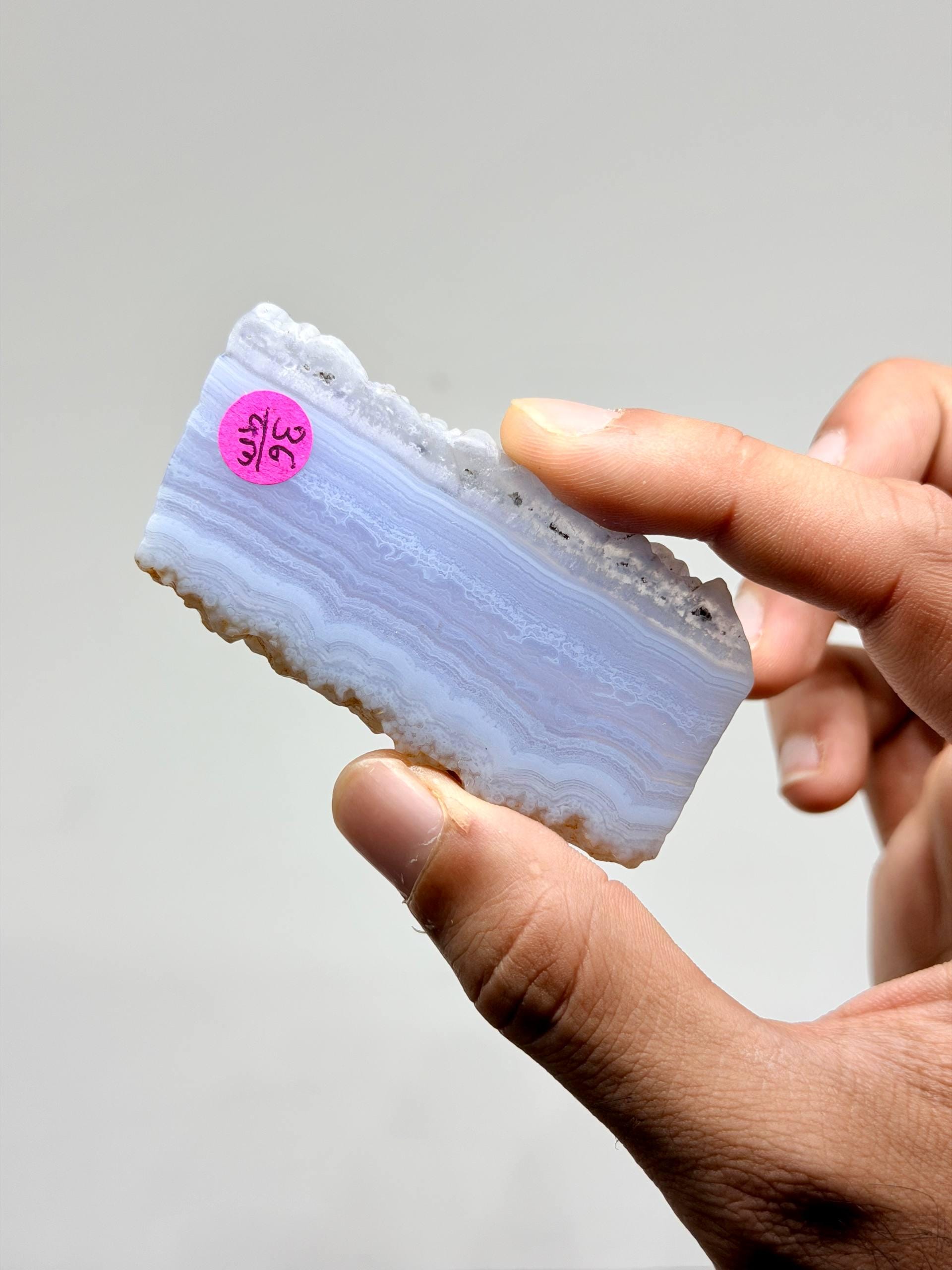
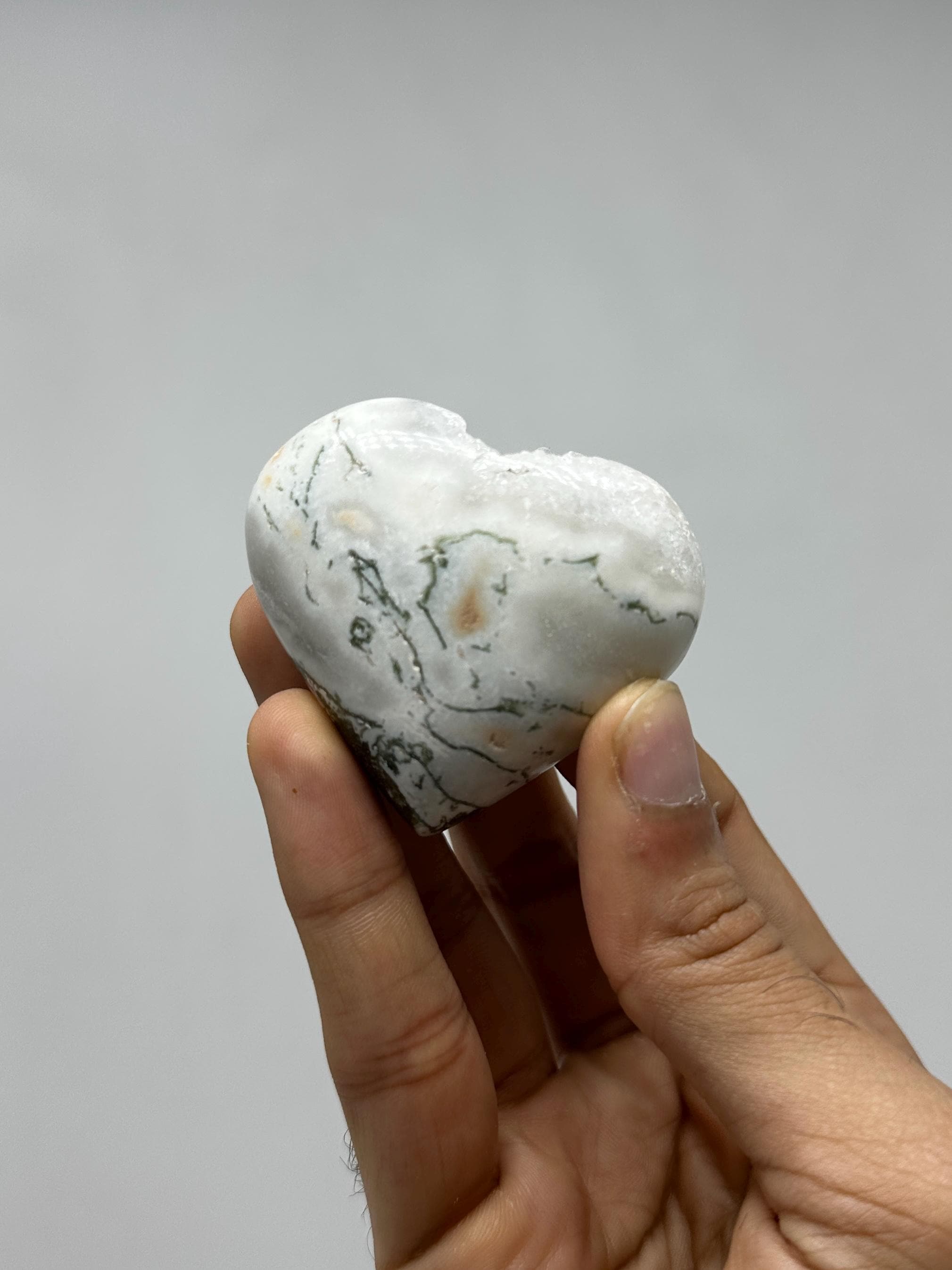
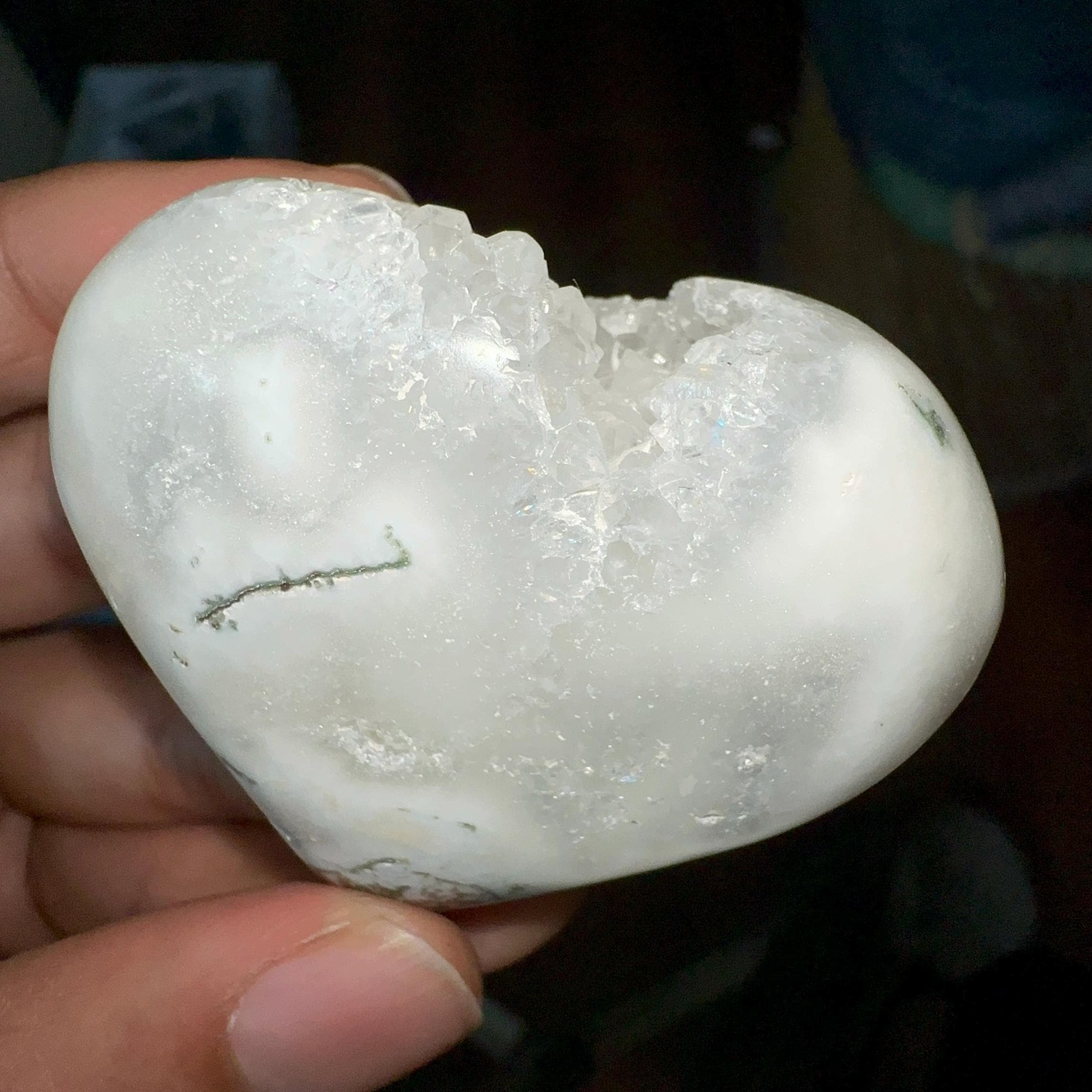
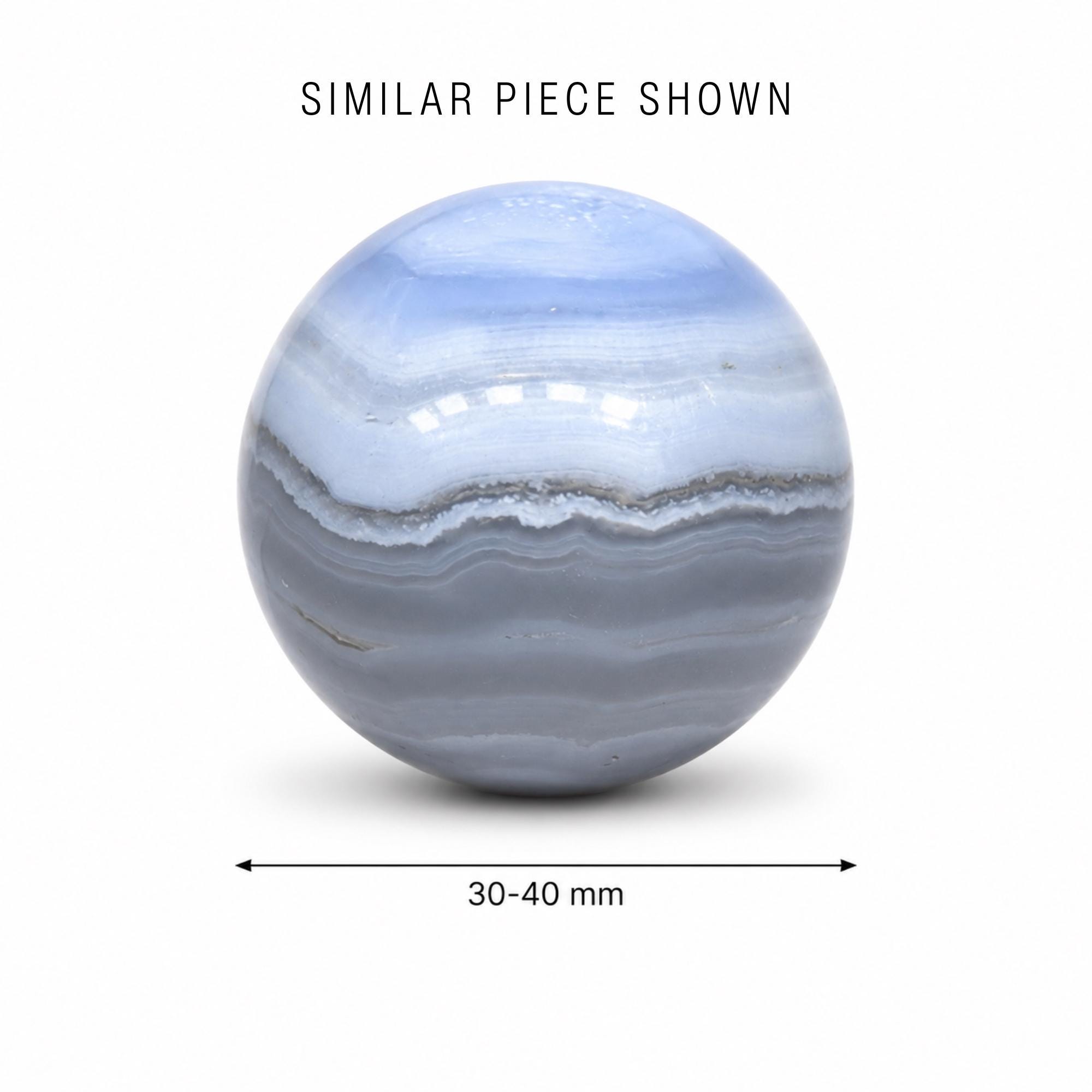
Agate itself is chalcedony laid down in layers inside a cavity, each band a slightly different colour. When the layers are straight and parallel, it's sold as onyx. When it's clear with green growths inside, it's moss agate; with branching, tree-like dendrites, tree agate. Our agate page has what we have in now.