What is jasper? The patterned stone family explained
What jasper actually is, how its patterns and pictures form, and why mookaite, dalmatian and bumblebee 'jasper' aren't quite the same stone.
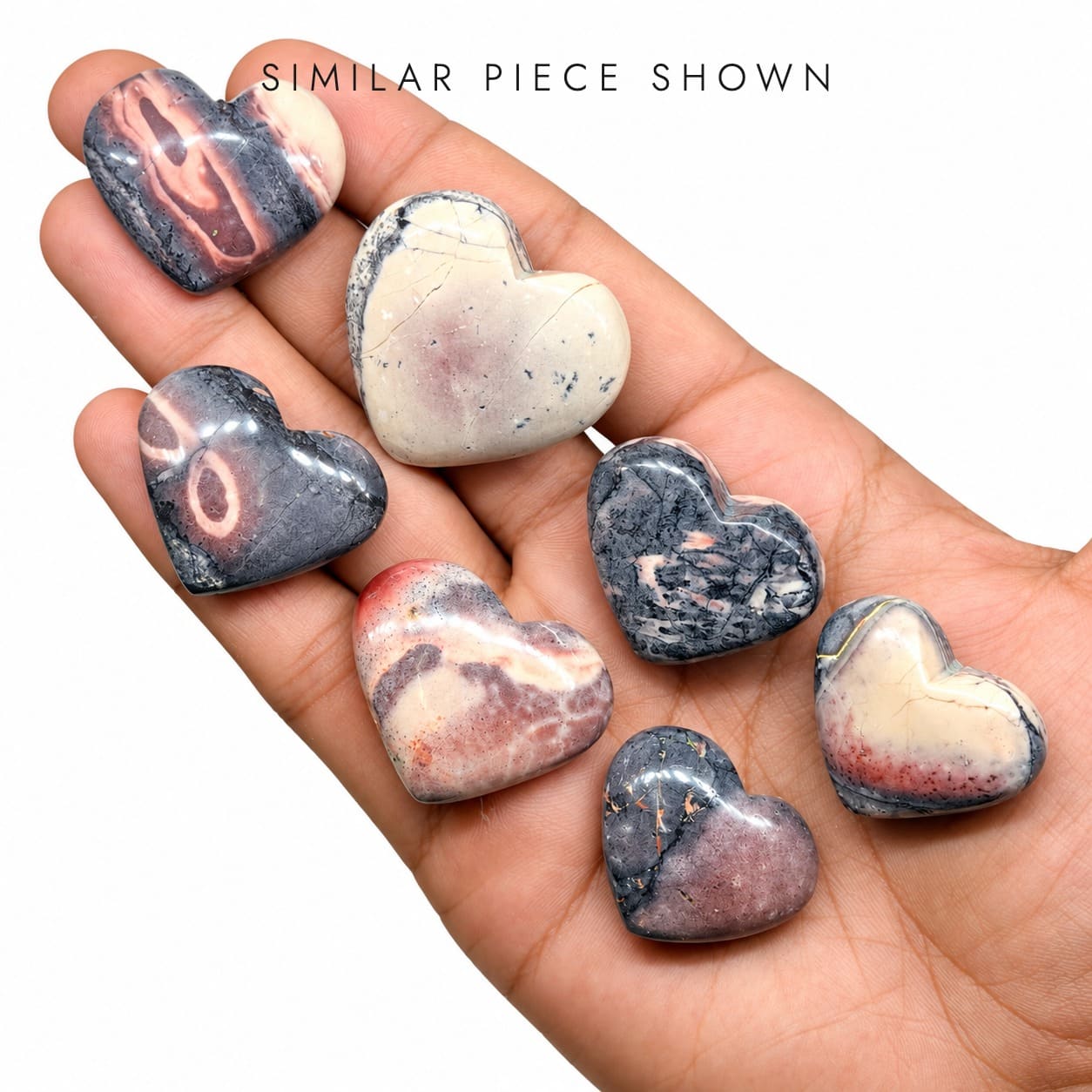
Slice a piece of picture jasper and you can find what looks like a miniature desert at sunset: layered bands of rust, cream and brown that could pass for a landscape painting. None of it was painted. It's silica that settled, layer by layer, long before there was anyone to see it.
What jasper actually is
Jasper is a variety of chalcedony, the microcrystalline form of quartz too fine-grained to show individual crystal faces. What sets it apart from its clearer cousins is that it's opaque, carrying enough iron oxide and other mineral specks mixed through the silica that light can't pass through. Agate, chalcedony's other well-known face, is the same silica laid down in translucent, often banded layers; jasper is the silica that picked up more impurities on the way, and came out solid and patterned instead of glassy and striped.
Most jasper forms where fine volcanic ash or mineral-rich sediment settled in water and was slowly cemented and silicified, grain by grain, over a very long time. The iron that tints most jasper red, brown and yellow came along with that sediment; other elements and minerals add the greens, blacks and purples you see in less common types.
Where the pictures and patterns come from
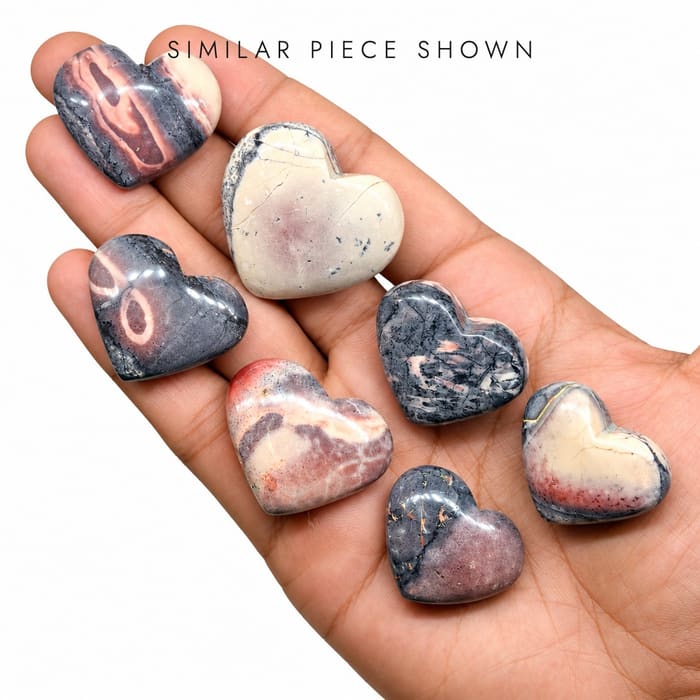
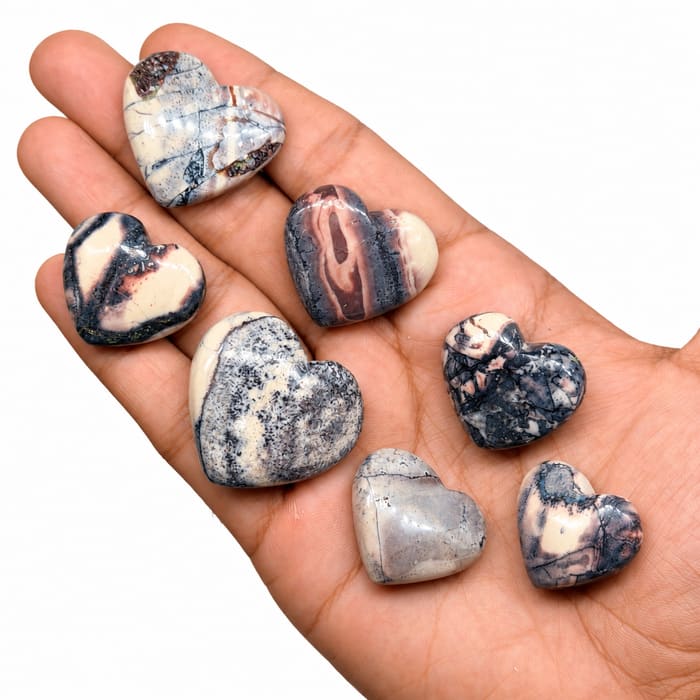
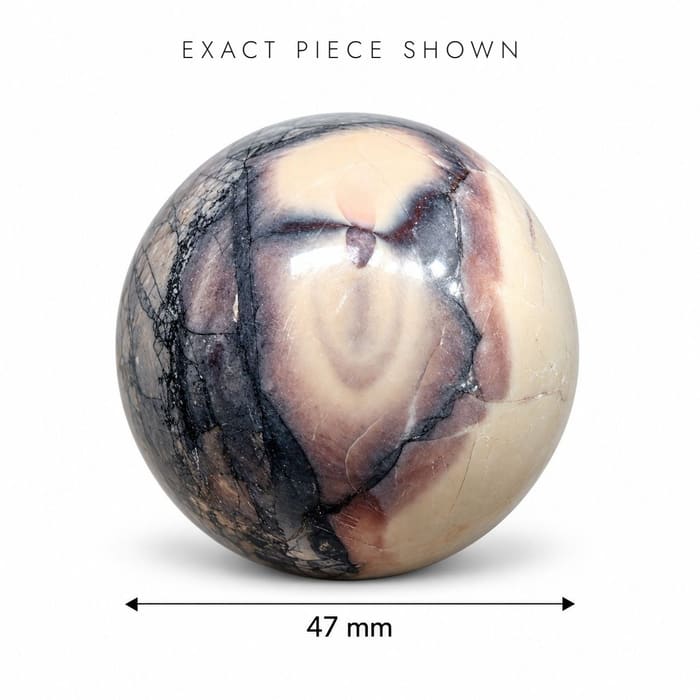
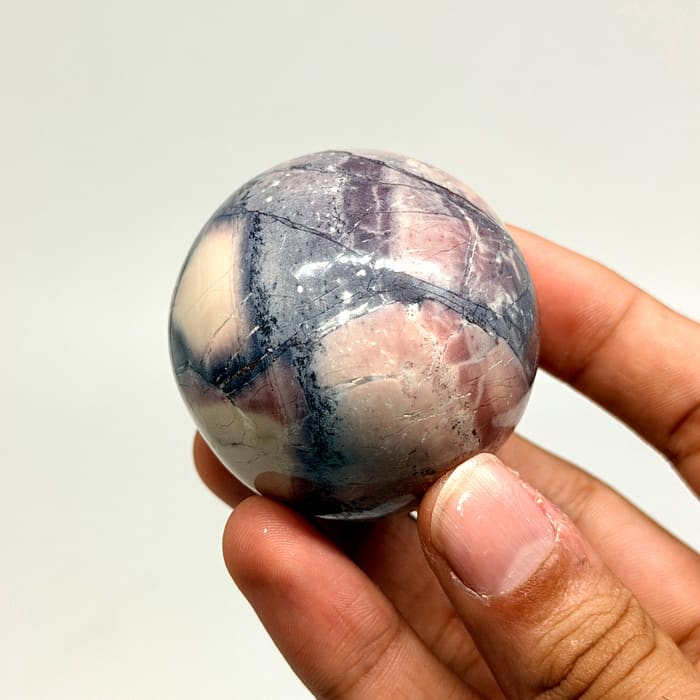
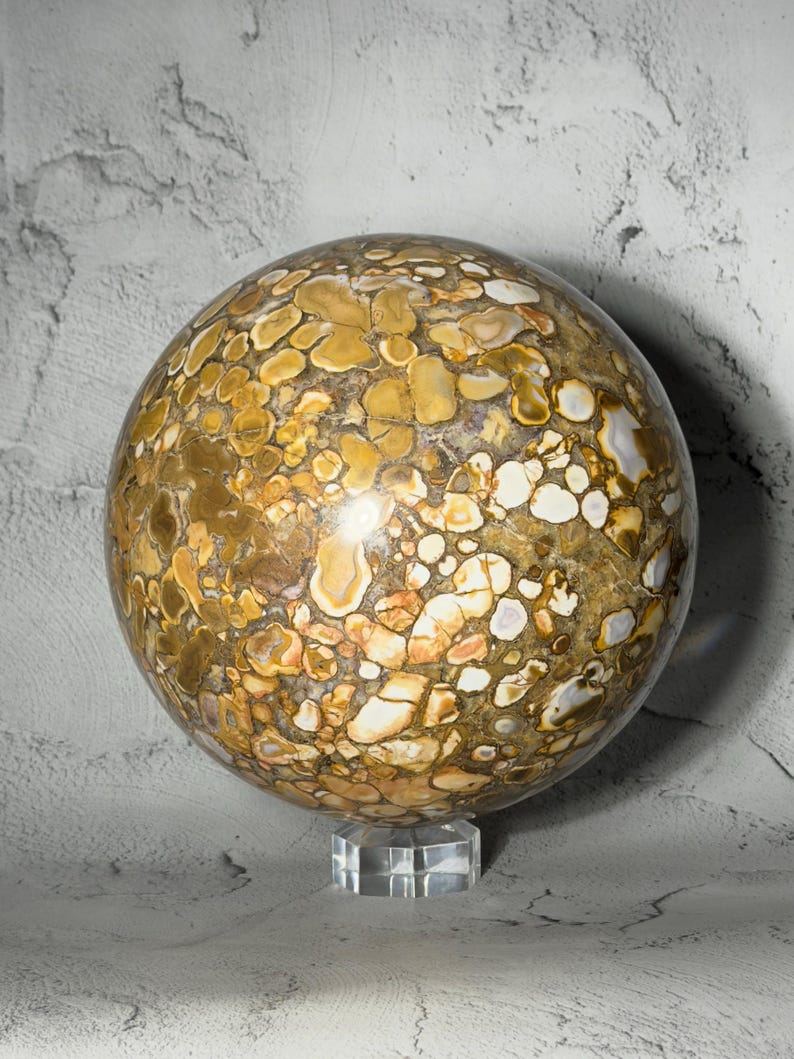
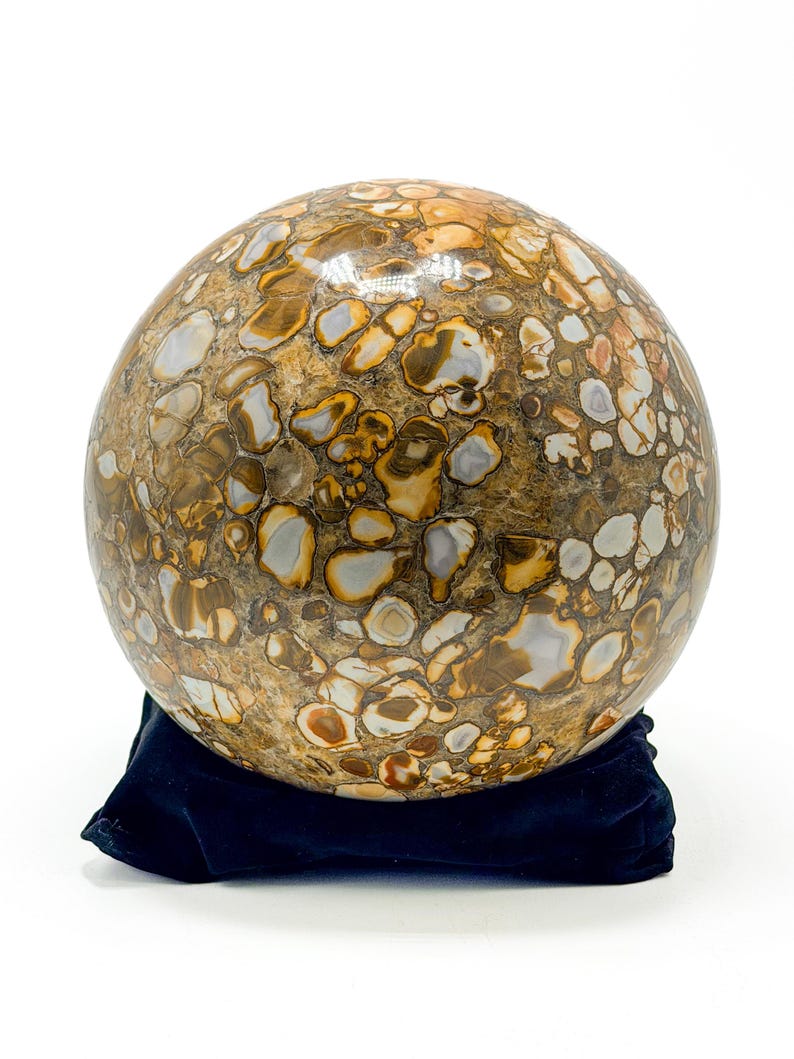
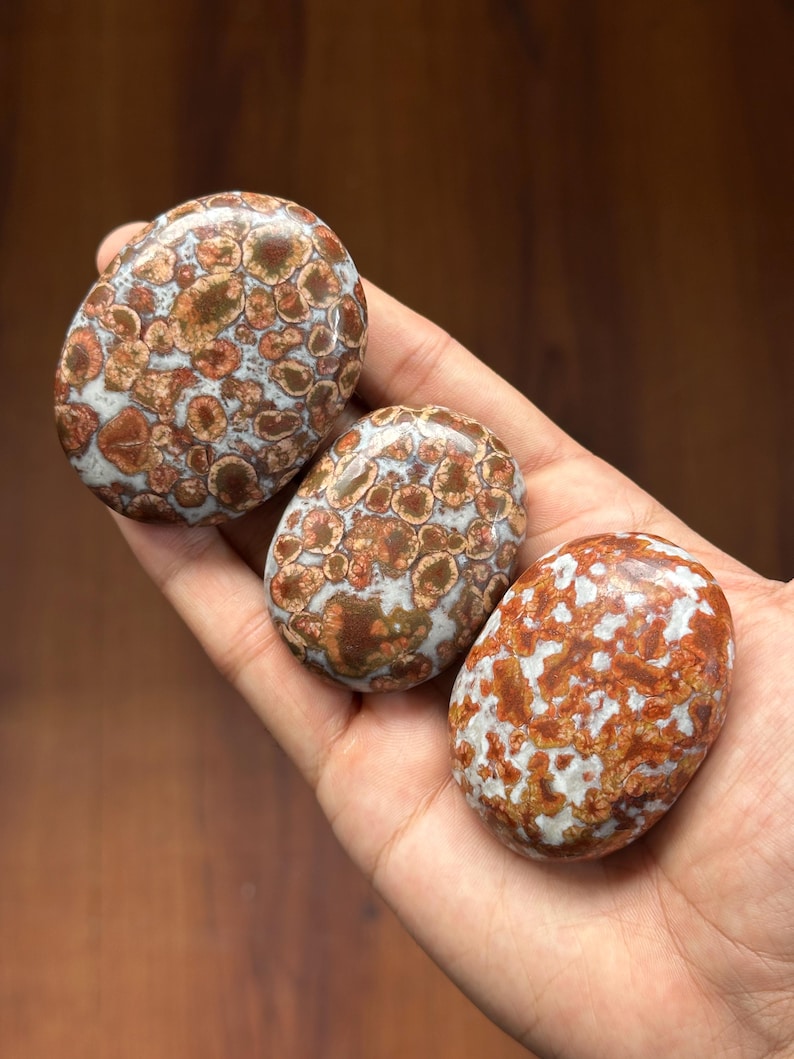
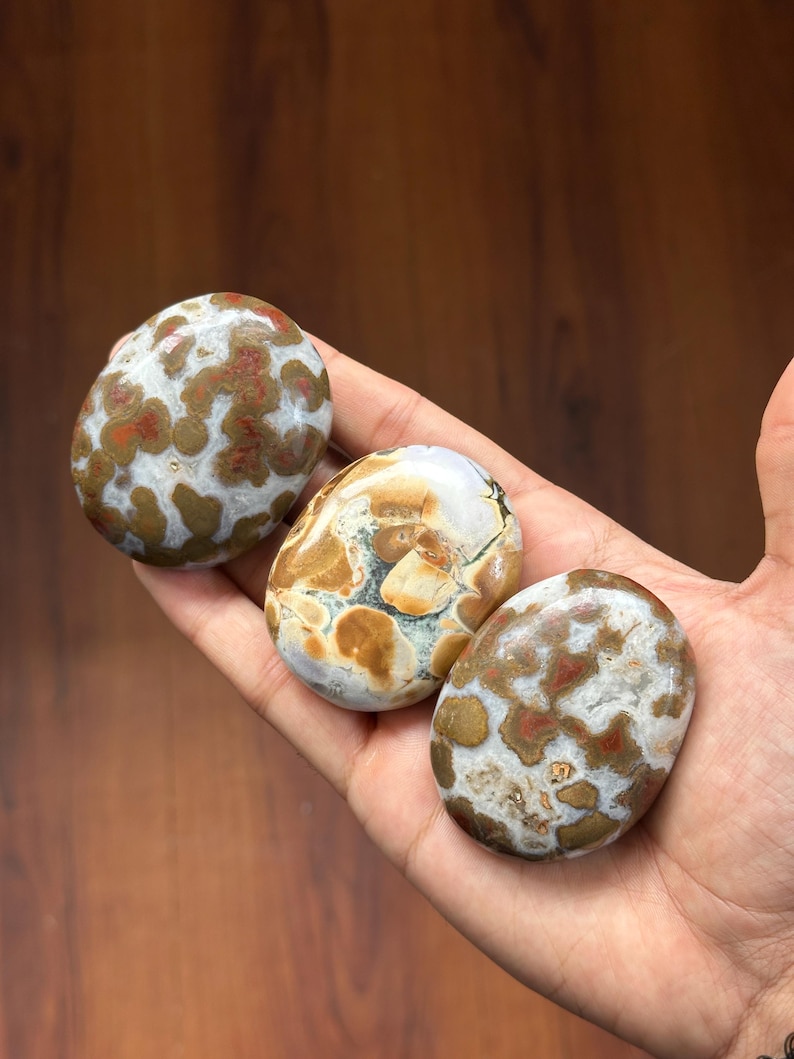
The patterns are mostly about how the material was laid down, and what happened to it afterwards. Picture jasper, mined mainly in the western United States, keeps the fine horizontal layering of the original sediment, later interrupted by cracks and mineral staining that break the bands into scenes. Ocean jasper, found on one stretch of Madagascar's coast, grew inside volcanic rock as small spherical clusters, called orbicules, which formed as silica crystallised outward from countless centres at once, giving it its spotted, eye-like look. Polychrome jasper, from the same part of Madagascar, is colour-zoned in reds, yellows and browns by the different minerals that moved through it as it formed.
A few names worth knowing
A lot of jasper is sold under place names or nicknames rather than the word "jasper" alone, which makes it easy to miss that they're related:
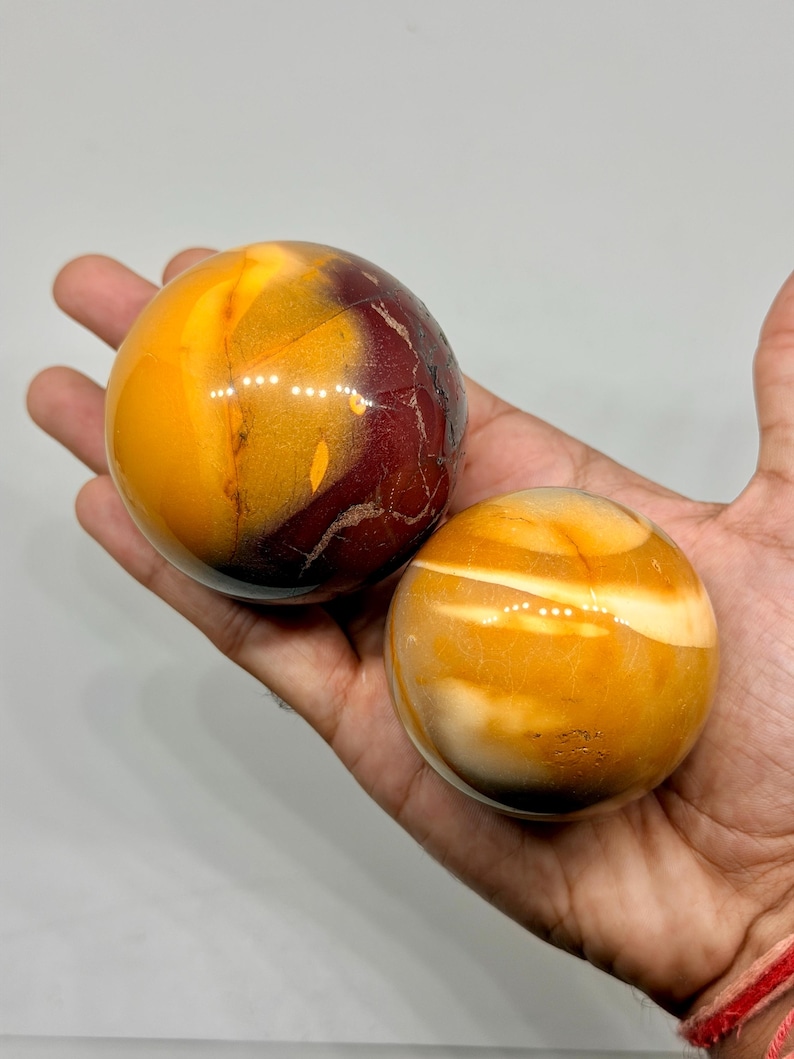
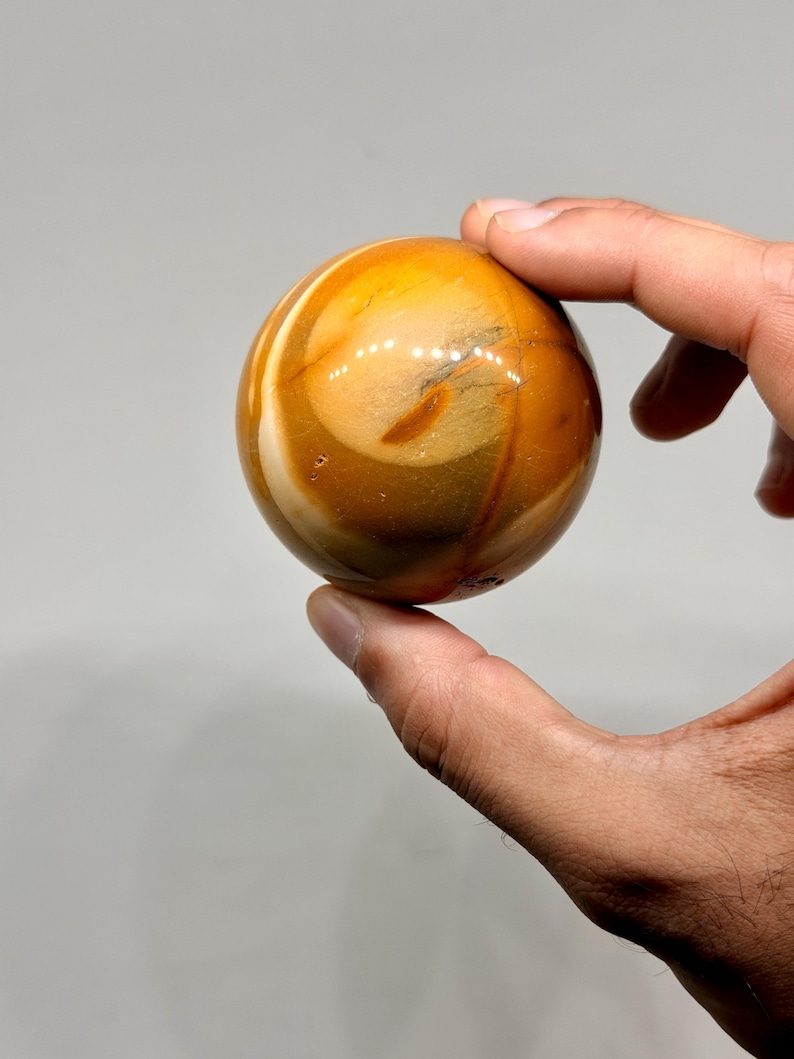
- Mookaite, from Western Australia, formed from seabed mud built up almost entirely from the silica skeletons of microscopic radiolarians, later consolidated into solid stone.
- Kambaba jasper, mostly from Madagascar, is silicified stromatolite: the layered mats built by some of the oldest colonies of micro-organisms on Earth, preserved as a pattern of green rings and circles.
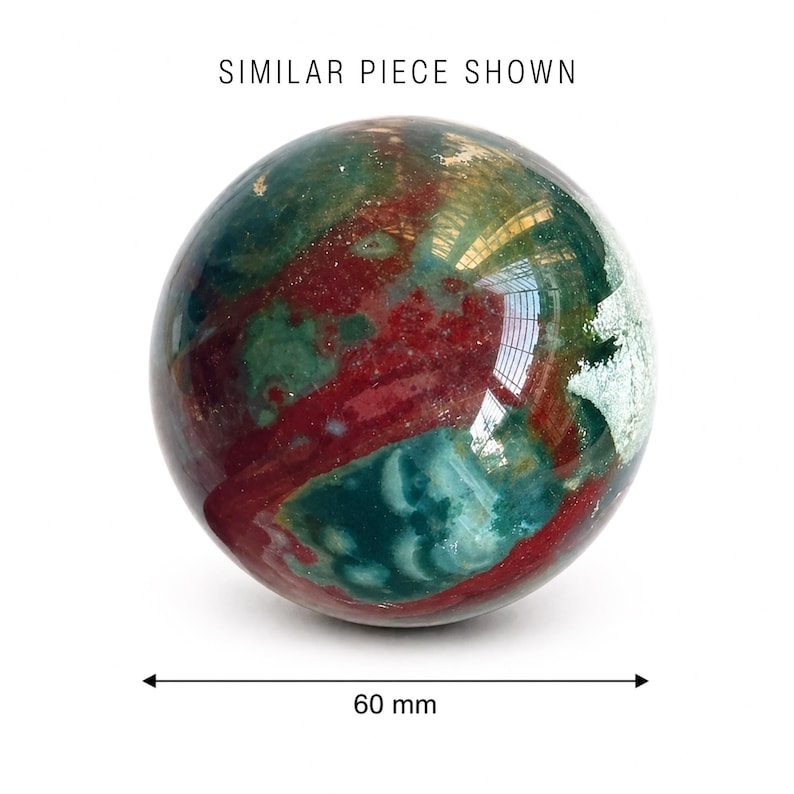
- Dragon's blood jasper, from Western Australia, gets its deep red on green from piemontite and epidote growing through the quartz, rather than from the iron oxide that colours most jasper.
The 'jaspers' that aren't jasper
Two popular trade names borrow the word without the mineral. Dalmatian jasper, or Dalmatian stone, isn't chalcedony at all: it's a feldspar rock, usually pale oligoclase, speckled with black manganese or hornblende-like inclusions rather than quartz impurities. Bumblebee jasper, from a single volcanic area of Java, is built from sulphur, calcite and hematite rather than silica, which is also why it's noticeably softer than true jasper. Both are attractive, natural stones; neither is strictly jasper, a reminder that trade names describe what a stone looks like in the shop more often than what it's actually made of. We've written more generally about sorting natural stone from what it's labelled.
Jasper, agate and the rest of the chalcedony family
Jasper, agate, carnelian and onyx are all chalcedony with different habits: translucent and banded in agate, see-through orange in carnelian, striped straight in onyx, opaque and patterned in jasper. They form in similar settings and often turn up together in the same deposit, which is part of why India's agate and carnelian history around Khambhat runs alongside jasper's own volcanic and sedimentary origins. The chemistry is the same silica-rich groundwater, working slowly through rock and sediment, whether it ends up filling a hollow cavity or cementing a bed of ash.
Why it's carved so often
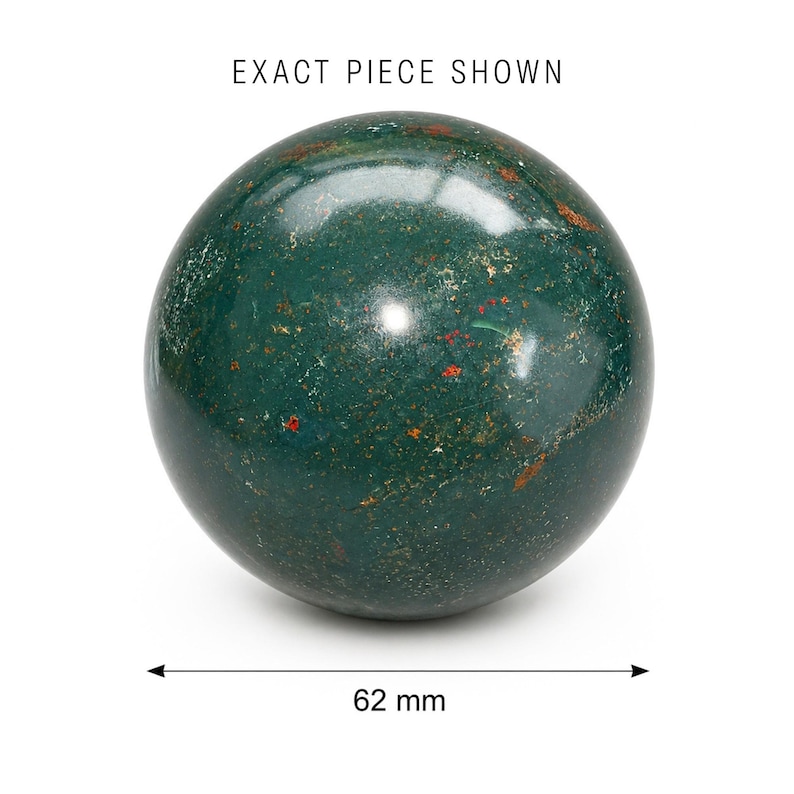
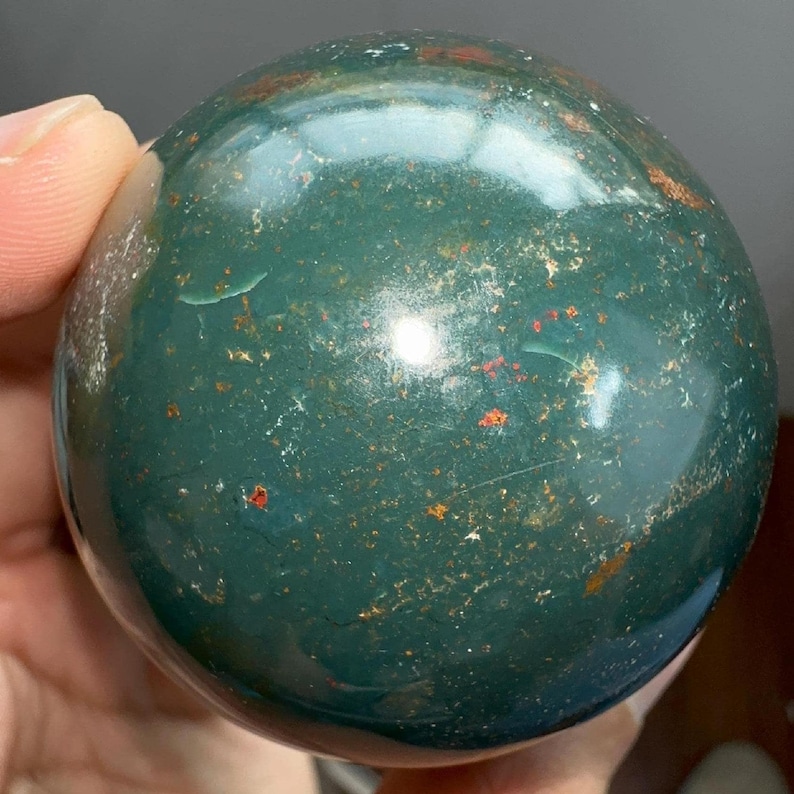
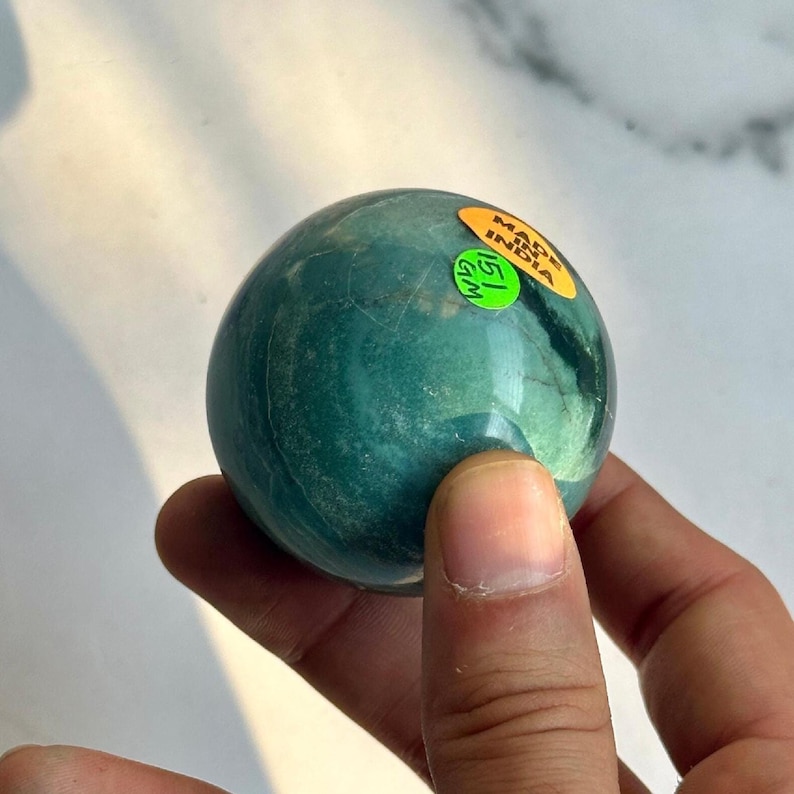
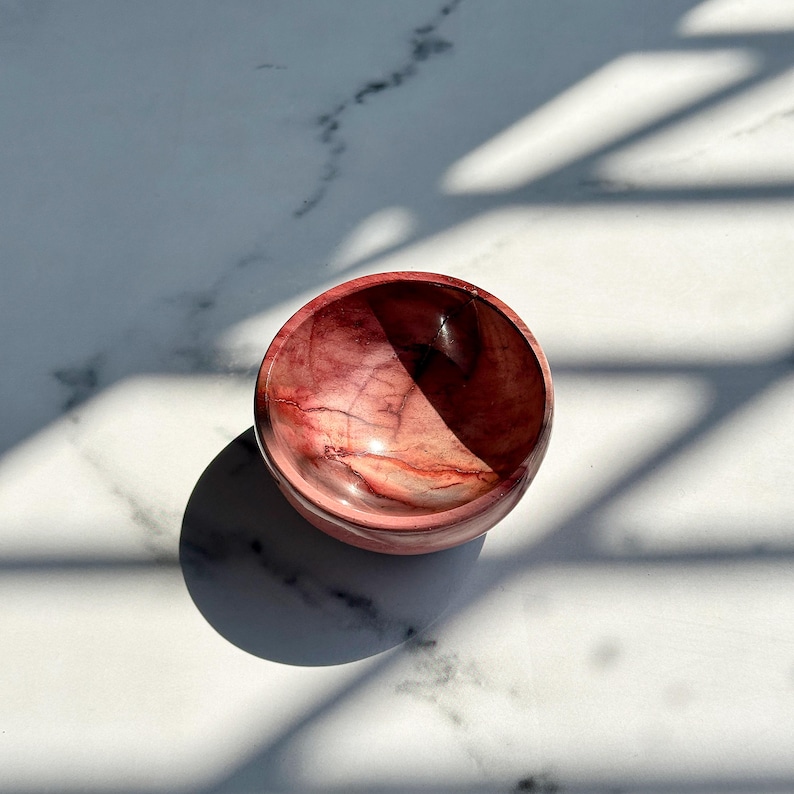
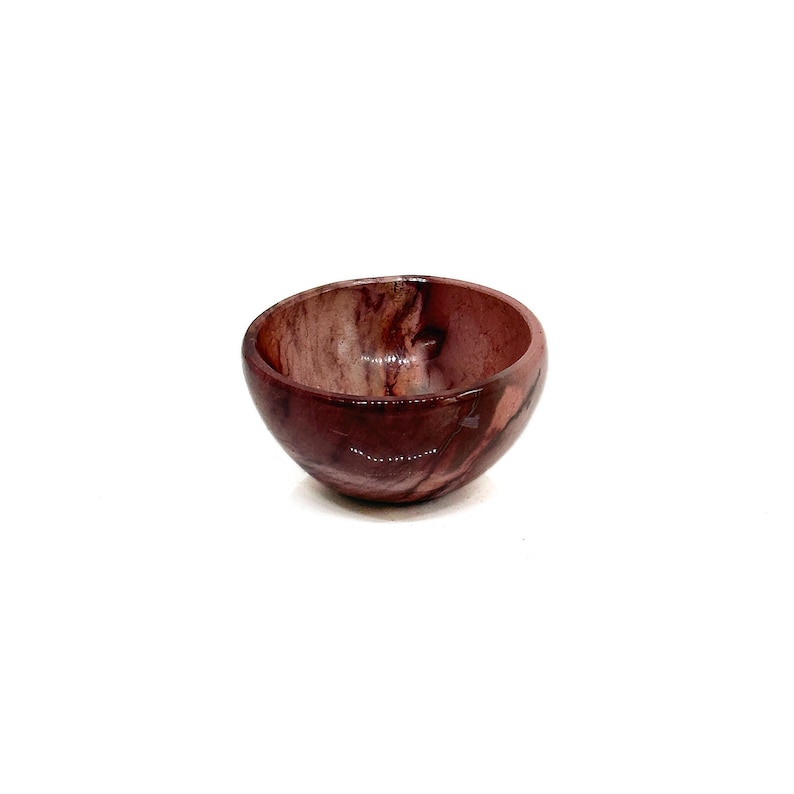
Jasper's opacity and hardness, close to quartz's own, make it a good candidate for carving: it takes a sharp edge and a high polish without being fragile, and a slab can be oriented to show its pattern at its best before it's shaped. That's why you'll find it worked into bowls, spheres and carvings as often as left as a rough or polished slab; browse the stone's carvings to see how differently two pieces of the same mineral can turn out, depending on where in the deposit they came from.