By Viveka Jhaveri, Director, Graduate Gemologist (GIA)
Labradorite vs moonstone: why they flash so differently
Two feldspars that both seem to glow from within, but by different optical tricks: labradorescence and adularescence, and why 'rainbow moonstone' is neither.
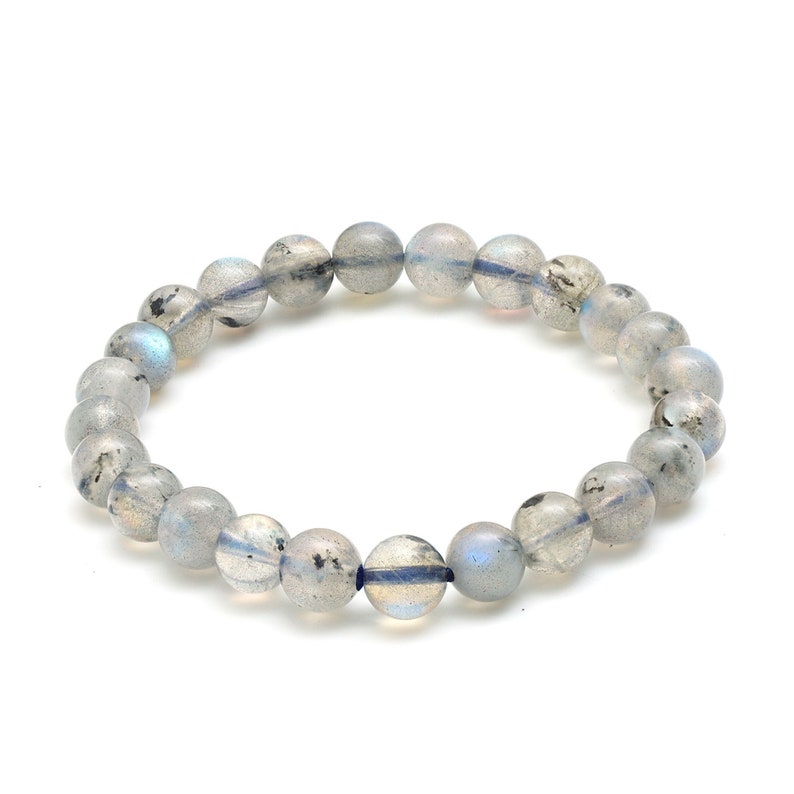
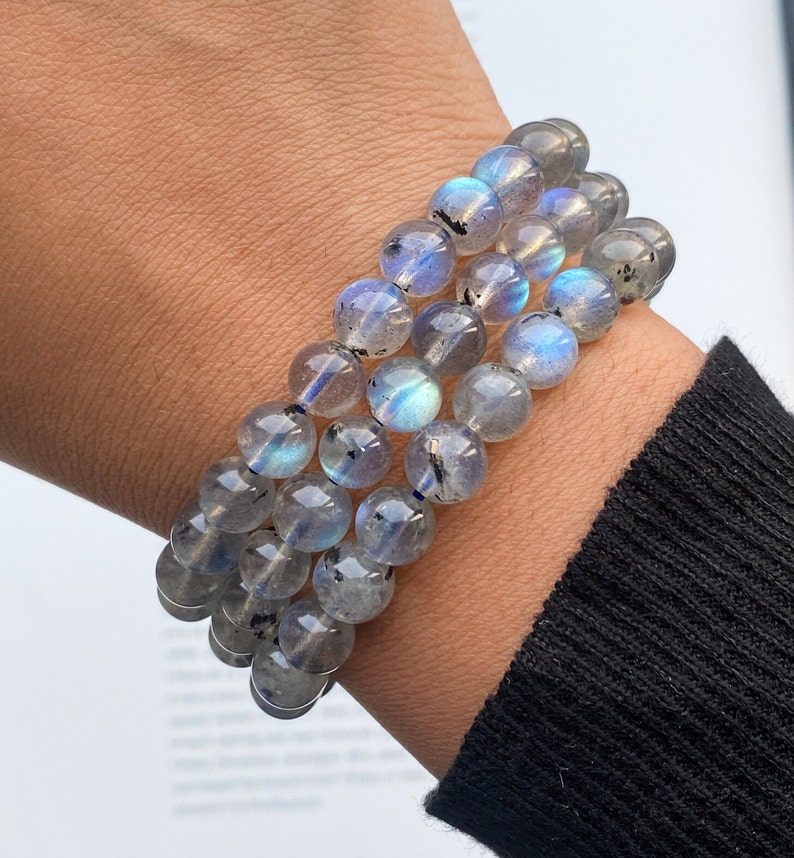
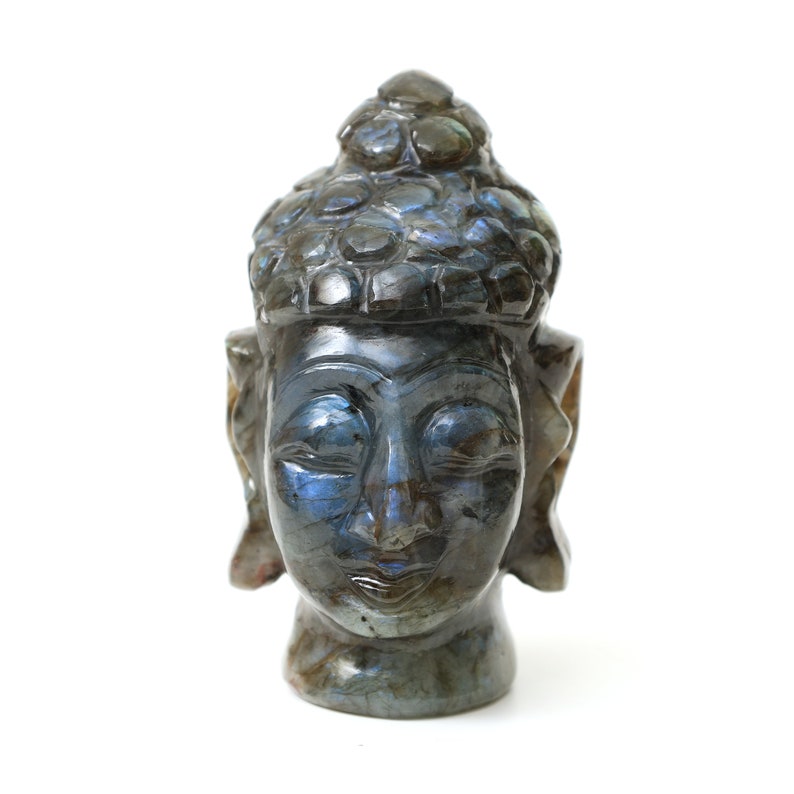
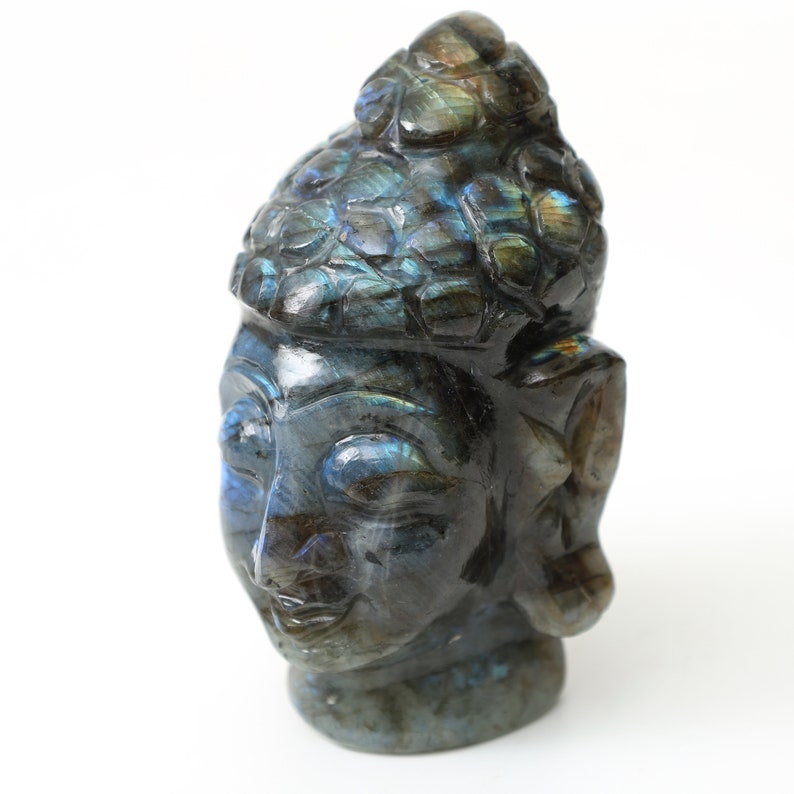
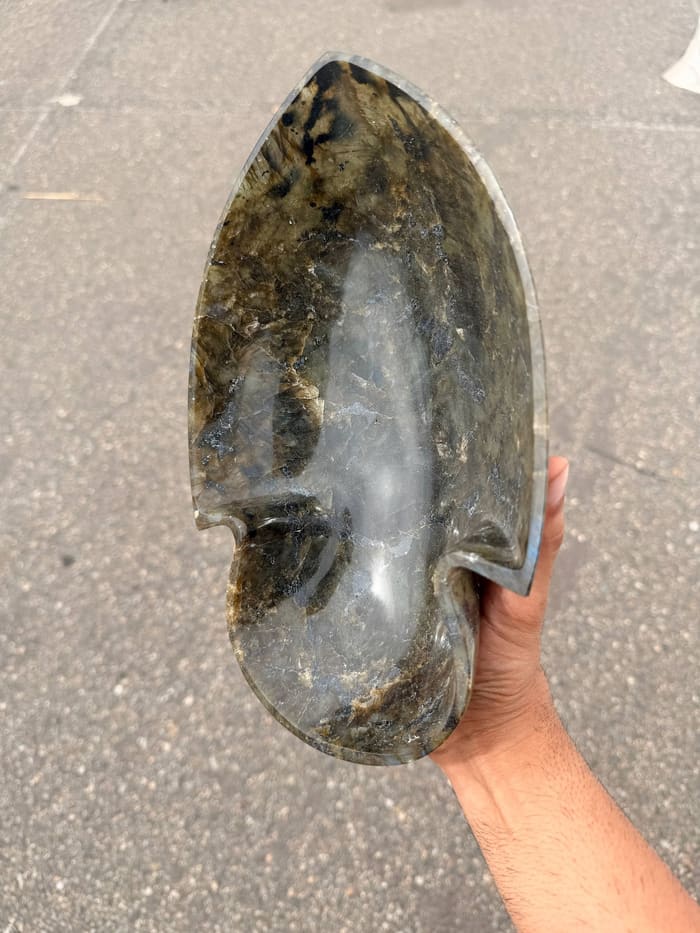
Turn a piece of labradorite in your hand and, for most angles, it looks like plain grey stone. Then it catches the light and a sheet of blue or gold flashes across the surface, as if someone had switched on a light inside it. Moonstone does something that looks similar but behaves quite differently: a soft, milky blue glow that seems to float just under the surface and moves more gently as you tilt it. Both are feldspars, both are called "schiller" stones, and both get mixed up constantly. The tricks of light behind them are not the same.
A crystal with light trapped inside
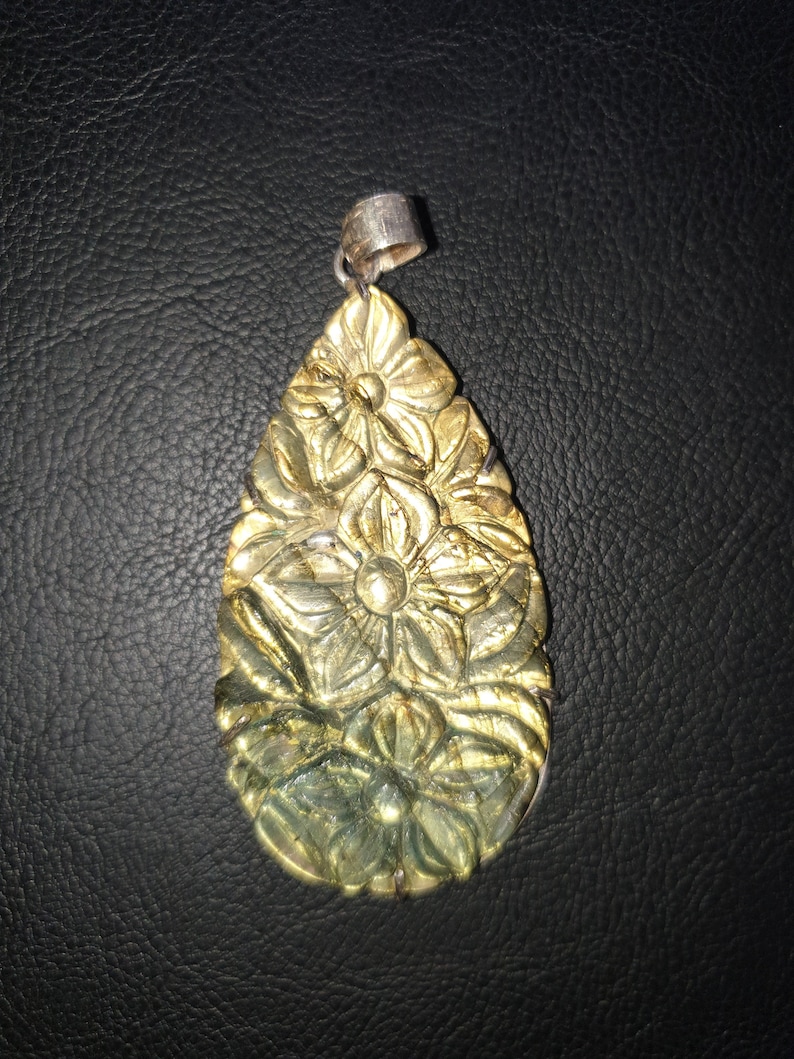
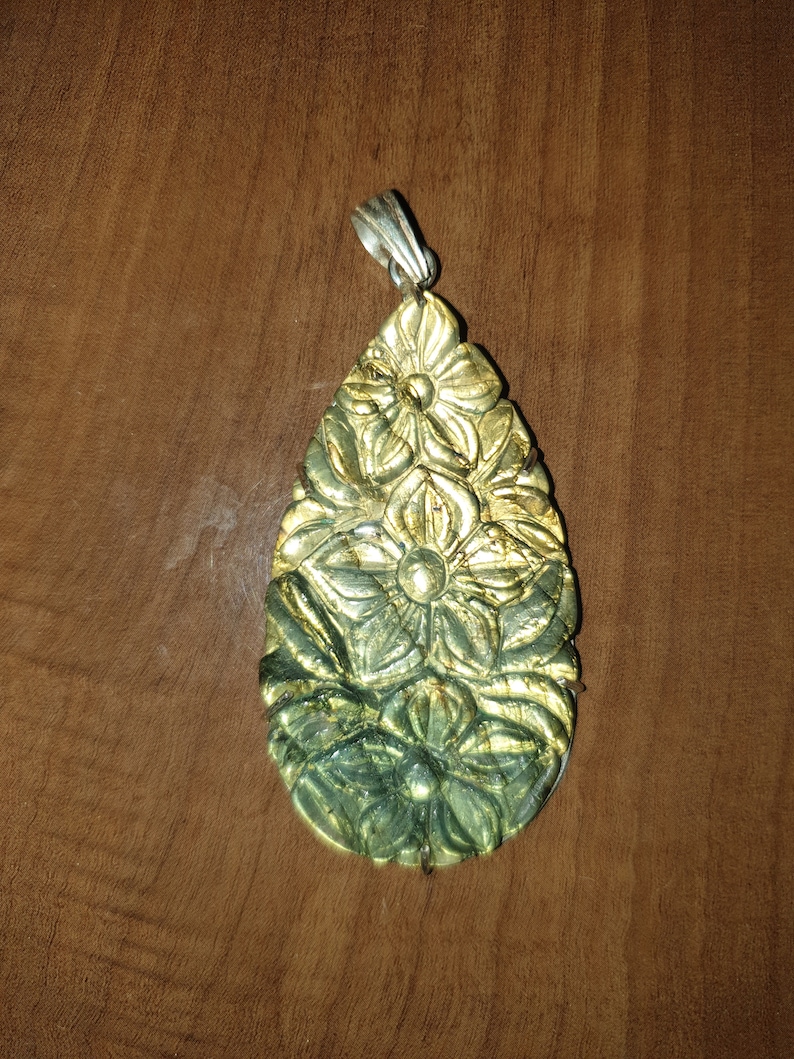
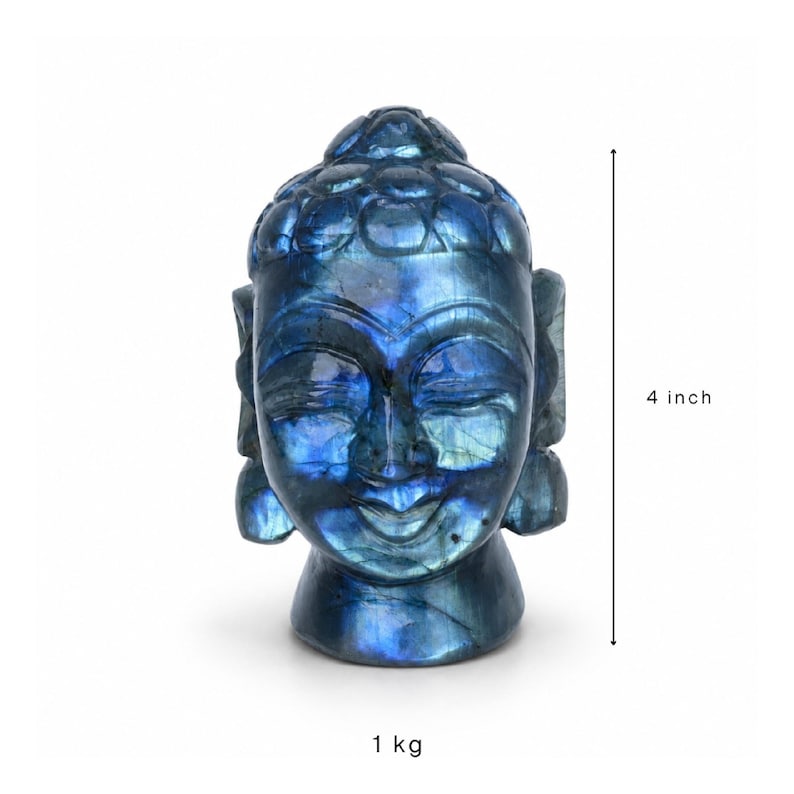
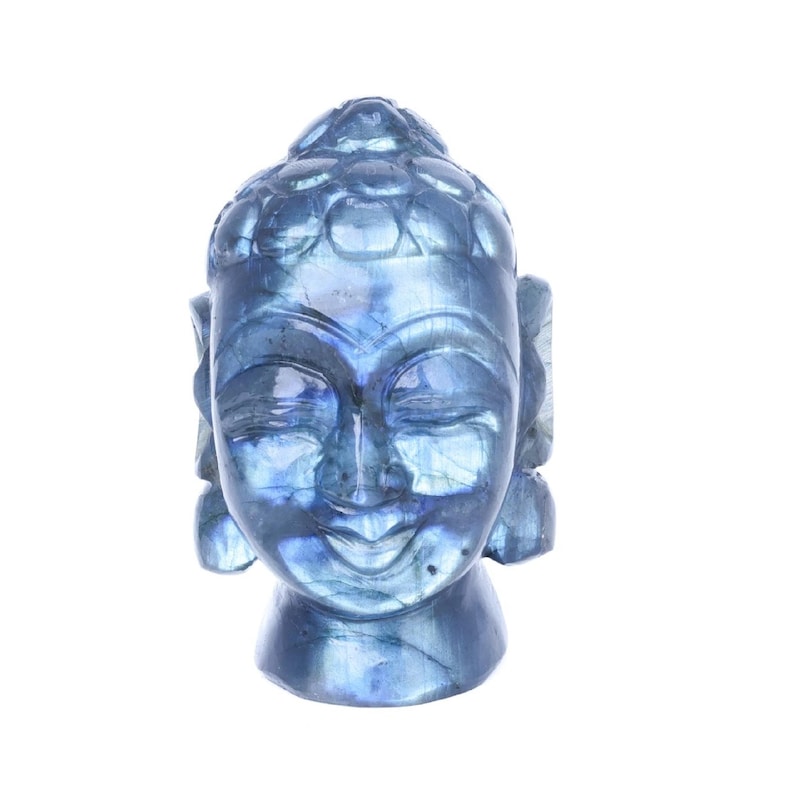
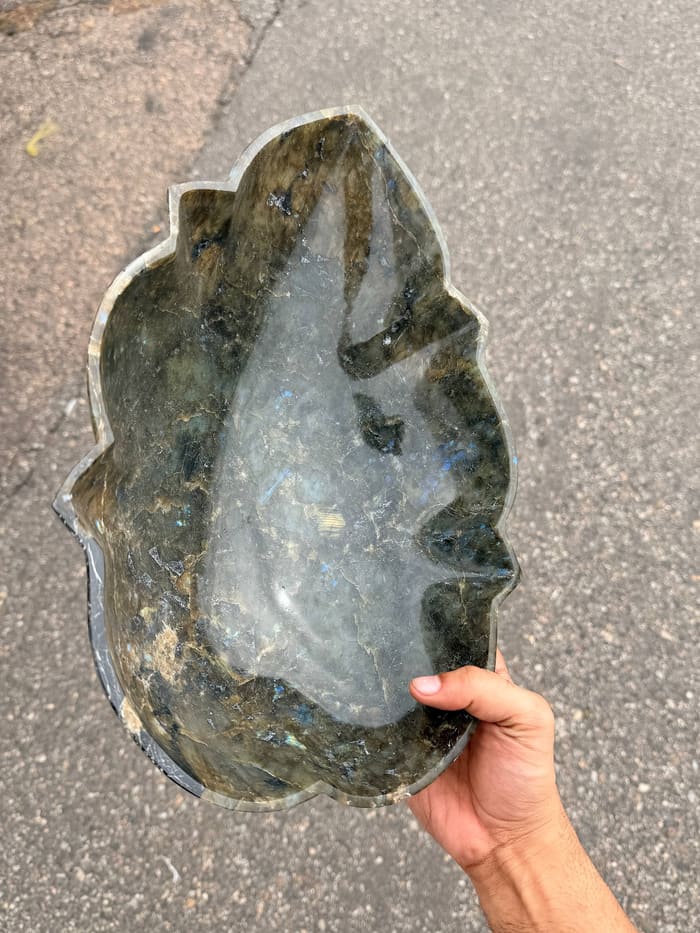
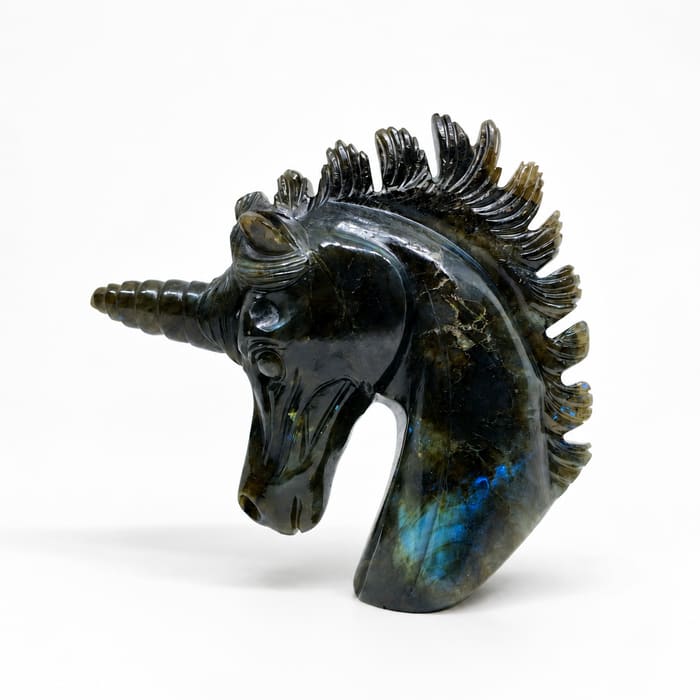
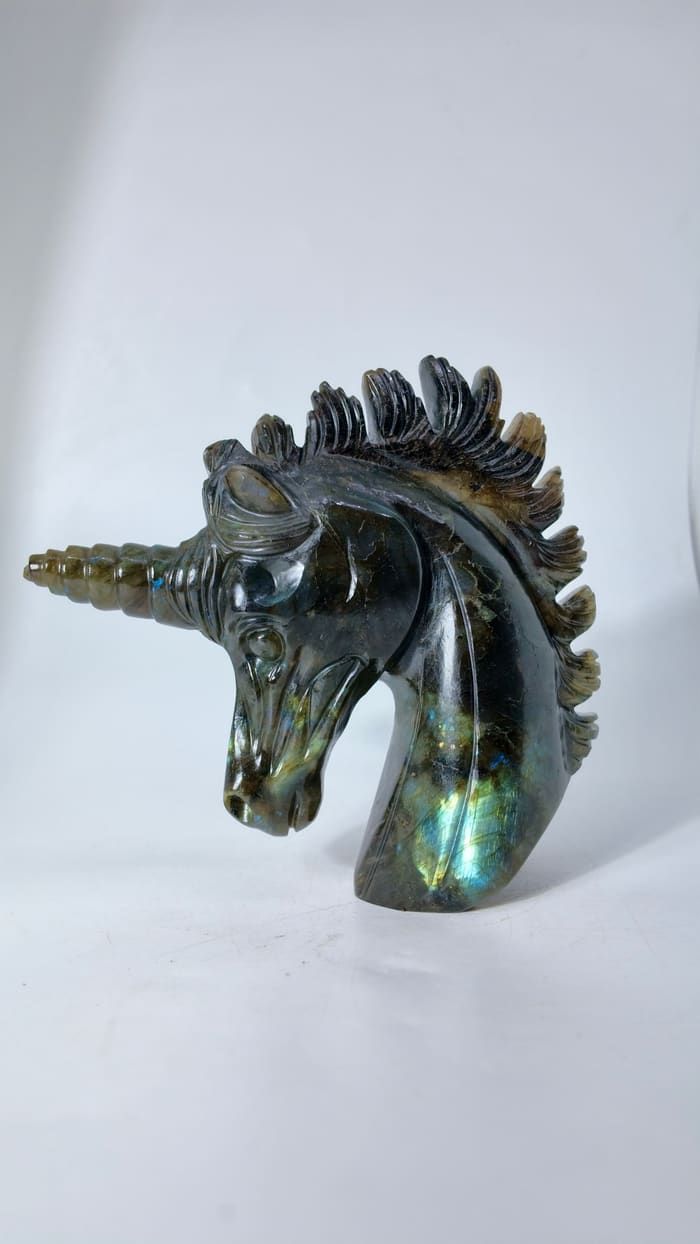
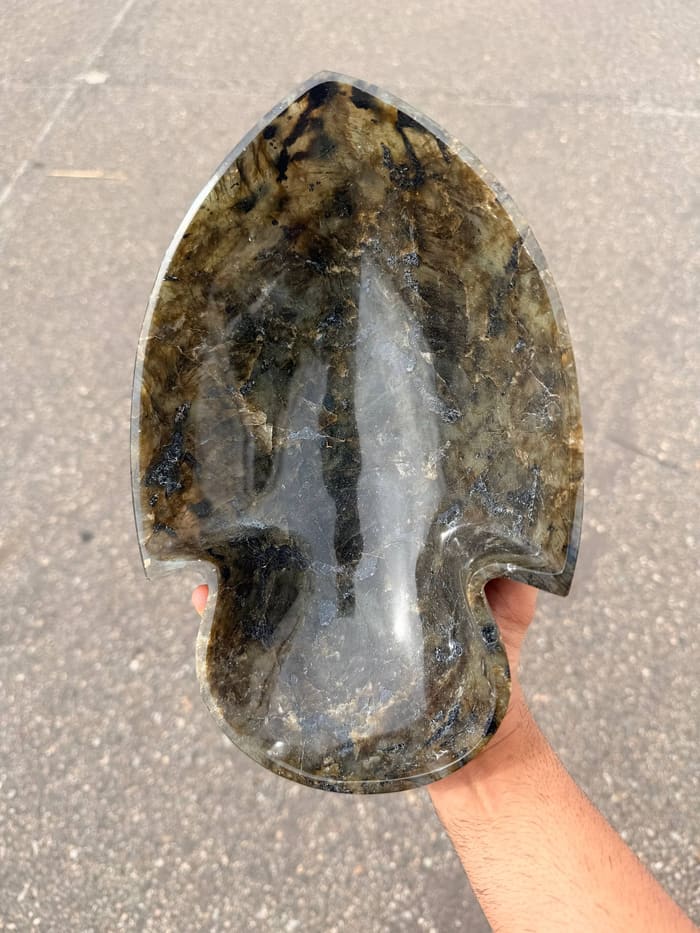
Labradorite forms as a single feldspar crystal, but as it cools slowly underground it separates internally into two very slightly different feldspar compositions, stacked in extremely thin, regular layers. Each layer is so thin that light reflecting off the boundaries between them interferes with itself, the same physics that makes a soap bubble or a film of oil on water show shifting colour. This is labradorescence. Because it depends on hitting the layering at the right angle, the flash appears and disappears sharply: tilt the stone a few degrees and a blue flash can vanish and a gold one appear in its place. The effect was first described by Moravian missionaries who found the stone on the Labrador Peninsula in Canada in the 1770s, and the name has stuck ever since, even though labradorite is also mined in Madagascar, Finland and India.
Light scattered between two feldspars
Moonstone is built the same general way, from two feldspar types intergrown in fine alternating layers, but the layers are a different thickness and the effect they produce is scattering rather than interference. Light entering the stone bounces between the layers and comes back out favouring blue wavelengths, which is why good moonstone shows a cool, bluish sheen that seems to sit just below the surface rather than flashing from a single sharp plane. This is adularescence, named after Mount Adular in Switzerland, an old source of the stone. It moves more gradually than labradorescence and rarely shows more than one colour at a time.
A third cousin, with a different trick again
Sunstone is also a feldspar, and it is often mentioned in the same breath as labradorite and moonstone, but its sparkle comes from something else entirely: tiny flat platelets of copper or hematite suspended inside the crystal, which catch the light like thousands of small mirrors. That glittering effect is called aventurescence, the same word that gives aventurine its name, and it has nothing to do with layered feldspar at all. Three stones, three unrelated optical tricks, all loosely filed under "stones that shimmer."
The twist: rainbow moonstone isn't moonstone
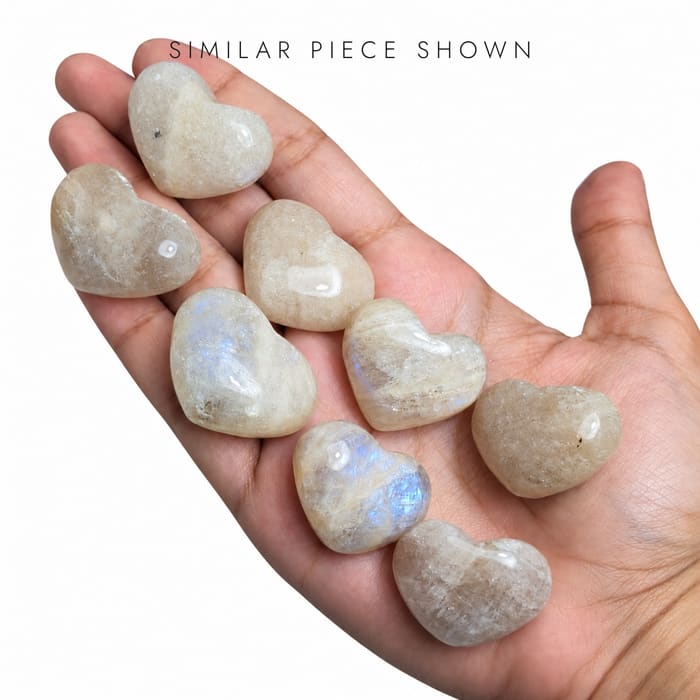
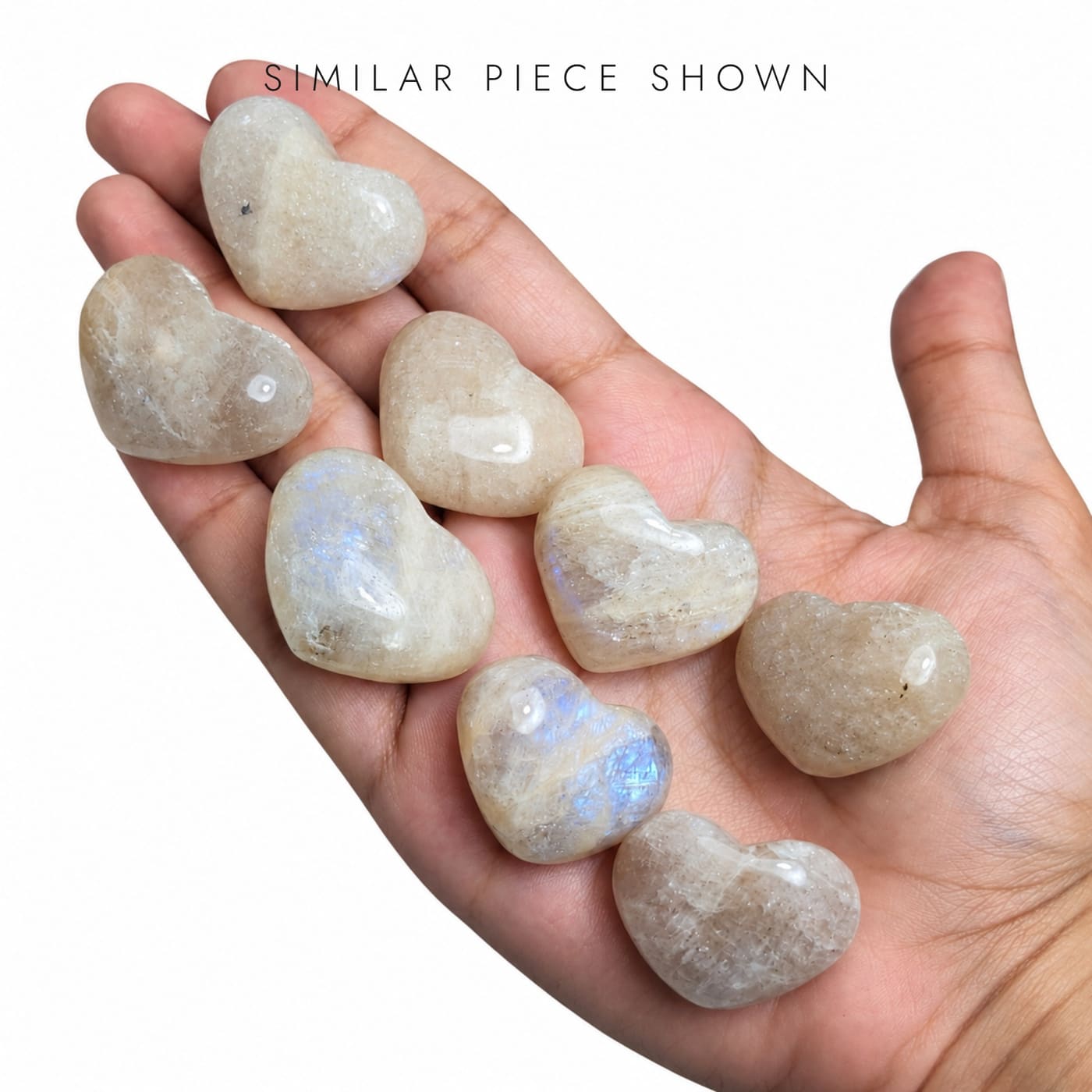
Here's where it gets genuinely confusing, and where even the trade names mislead. What's sold as "rainbow moonstone", the colourless to white stone with a sharp blue flash, is mineralogically labradorite, not the orthoclase feldspar that makes traditional white, peach or black moonstone. It has the fast, angle-dependent flash of labradorescence, not the soft float of adularescence, because that is what it is. We've written about this in more detail in rainbow moonstone isn't quite moonstone; it's one of the more persistent naming quirks in the stone trade, and it's worth knowing if you're buying by the effect you want rather than by name alone.
Telling them apart by eye
A few things to look for when you're holding a piece and want to know which feldspar you actually have:
- Body colour. True moonstone is usually white, cream, peach, grey or black. Labradorite's base colour is typically grey to almost black, though the colourless "rainbow moonstone" variety breaks this rule.
- How the light behaves. Labradorescence switches on and off sharply as you rotate the stone and often covers a broad patch in one strong colour. Adularescence is softer and more diffuse, a glow that drifts rather than flashes.
- Colour range. Labradorite can show blue, green, gold, purple and occasionally a full spectrum of colour (sometimes sold as "spectrolite" for the most vivid Finnish material). Moonstone's sheen is almost always confined to blue or, less often, a warmer silvery white.
- Surface pattern. On rough or lightly polished labradorite you can sometimes see the fine parallel striations of the internal layering with a loupe. Moonstone's surface usually looks more uniform.
Shapes and care
Both stones are popular as palmstones and spheres, where a rounded, polished surface makes it easy to rock the piece in your hand and watch the sheen move. Both are moderately hard feldspars, hard enough for everyday handling, but like most polished stone they're best kept away from hard knocks and harsh chemicals. A soft cloth and warm water is all either one needs.
Moonstone has one more layer of folklore worth knowing, purely as history: in several old traditions it was associated with the moon and its phases, which is almost certainly how it got its name. That's a story about what people believed, not a claim about what the stone does, and it's one of the reasons moonstone has stayed a favourite for centuries regardless of which feldspar is actually doing the flashing.