Lapis lazuli vs sodalite: how to tell them apart
Lapis and sodalite are close mineral cousins and easy to confuse. The gold-flecks test, the colour difference, and why one cost more than gold and the other didn't.
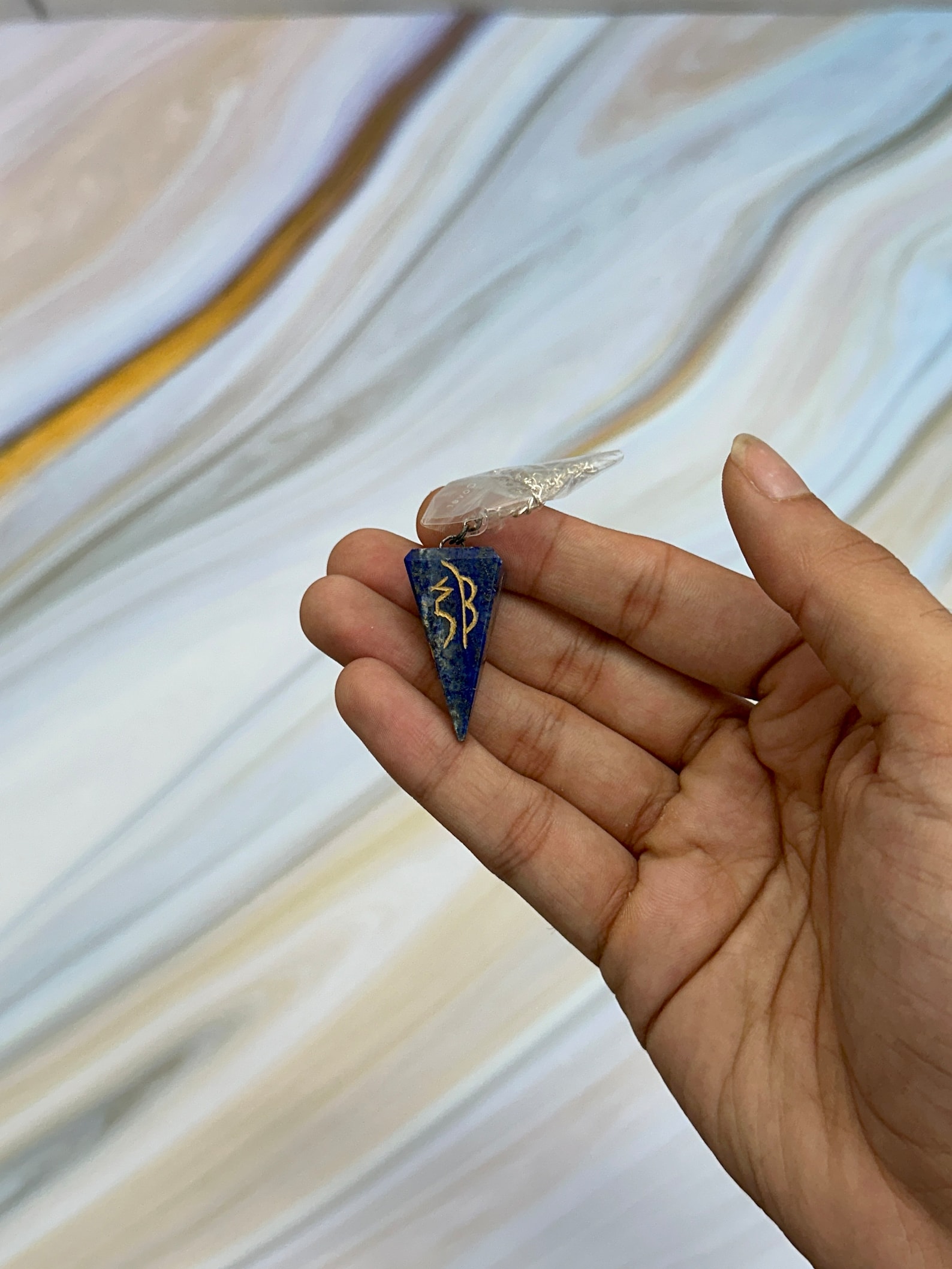
Hold a piece of deep blue lapis lazuli next to a piece of sodalite and, for a second, they can look like the same stone. That's not a coincidence of colour. The two are genuinely related underneath, and the differences that matter are small enough to miss unless you know where to look.
Cousins, not look-alikes by accident
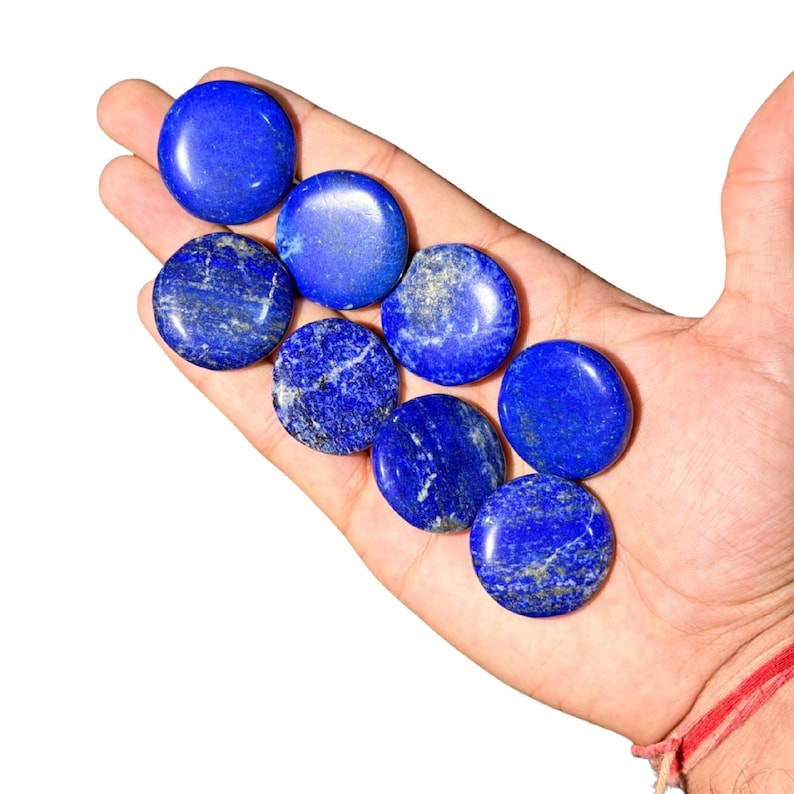
Lapis lazuli isn't a single mineral. It's a rock, mostly made of lazurite, with white calcite running through it and, usually, scattered flecks of golden pyrite. Lazurite is the mineral doing the colouring, and it belongs to a small family called the sodalite group, alongside sodalite itself, haüyne and nosean. All four share a similar crystal structure, which is the real reason lapis and sodalite can look so alike: one is a cousin of the other, not just a copy of it.
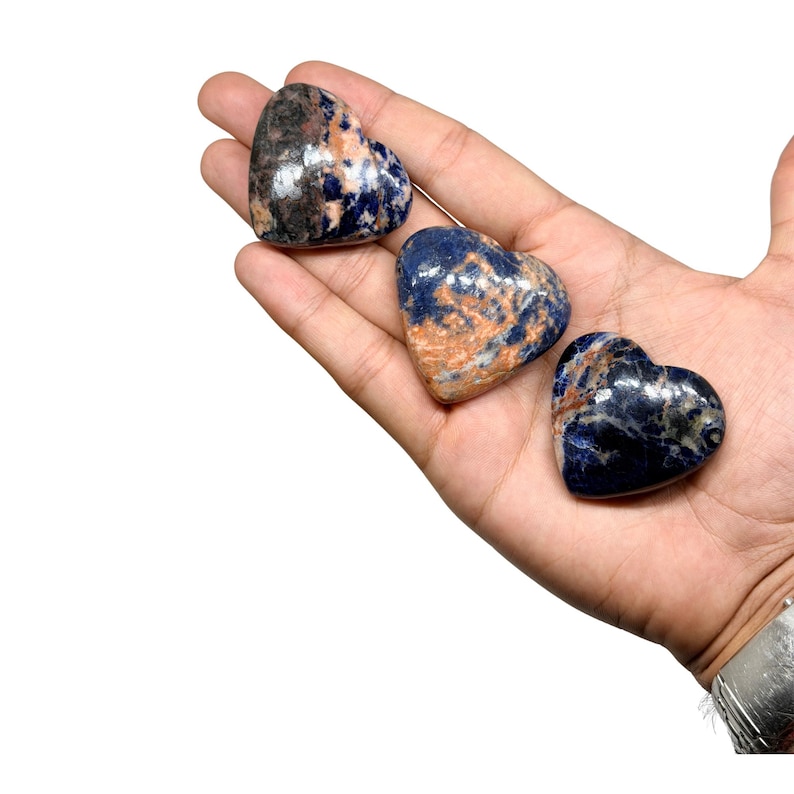
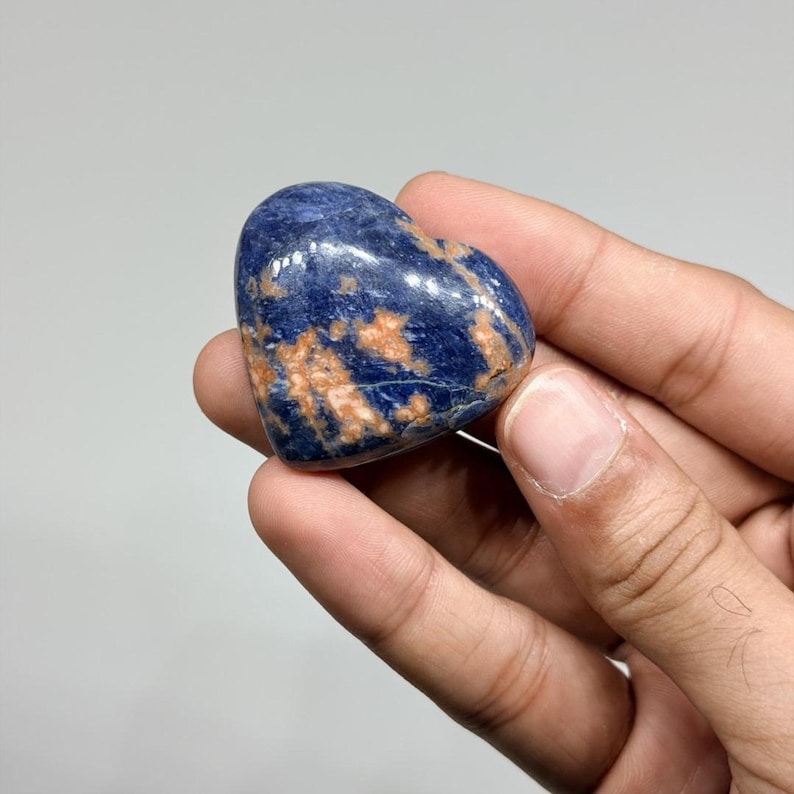
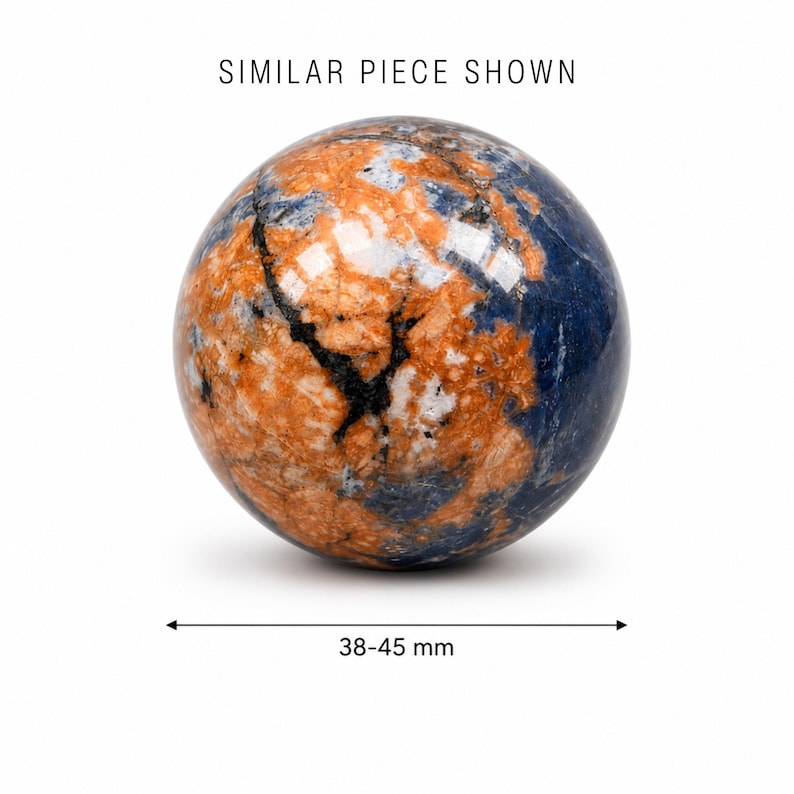
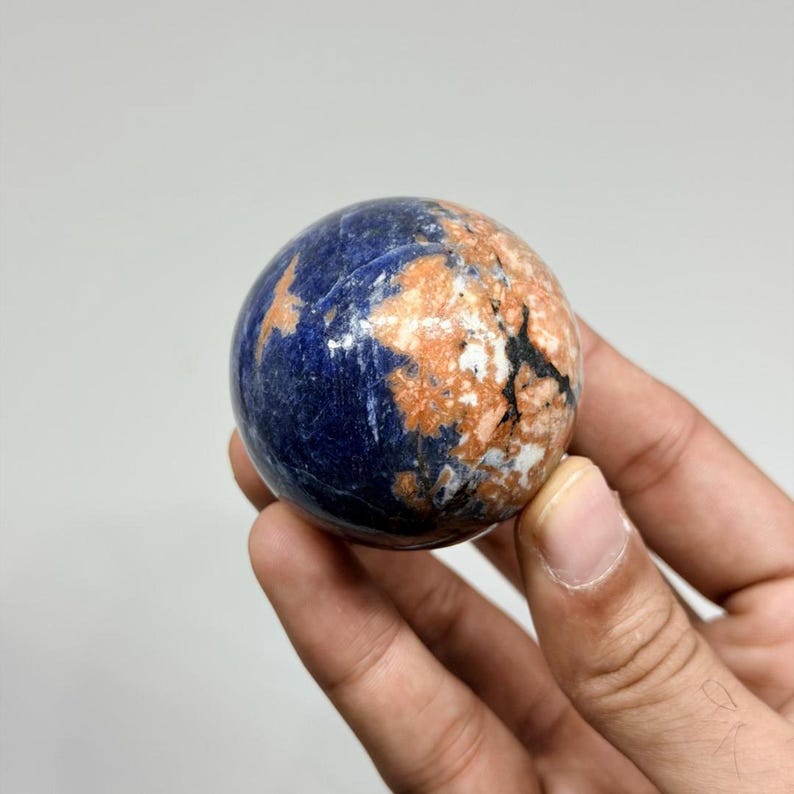
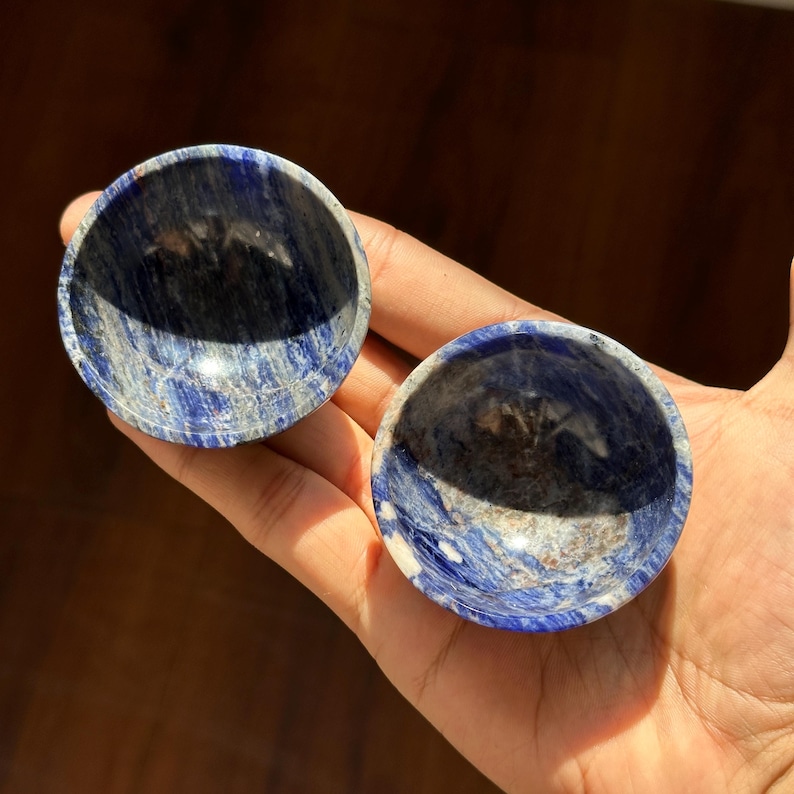
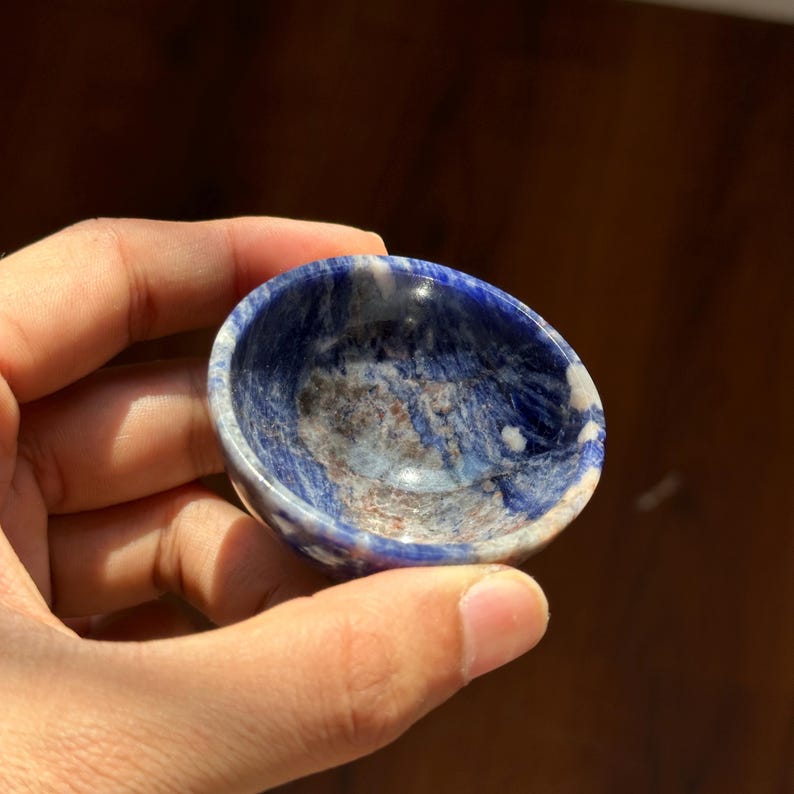
Sodalite, the stone sold under its own name, is usually a more solid blue than lapis, closer to royal blue or violet-blue, and it tends to come in bigger, more uniform pieces because it forms as larger masses rather than the thinner veins lazurite usually grows in.
The gold-flecks test
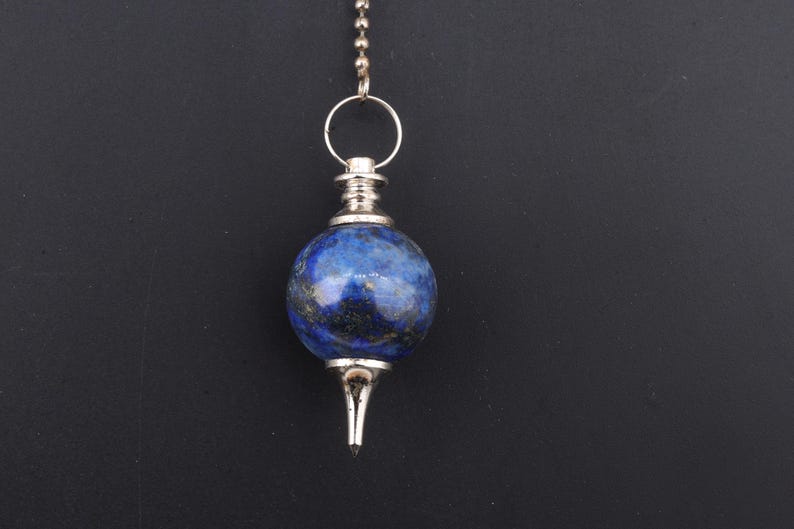
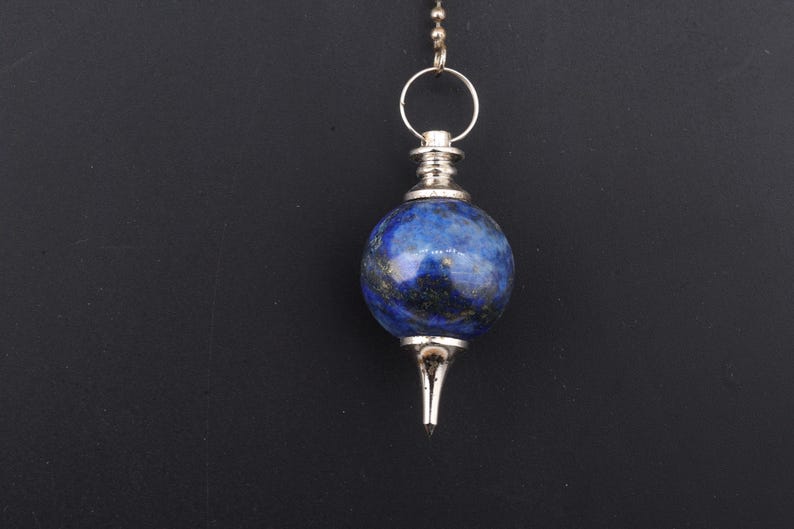
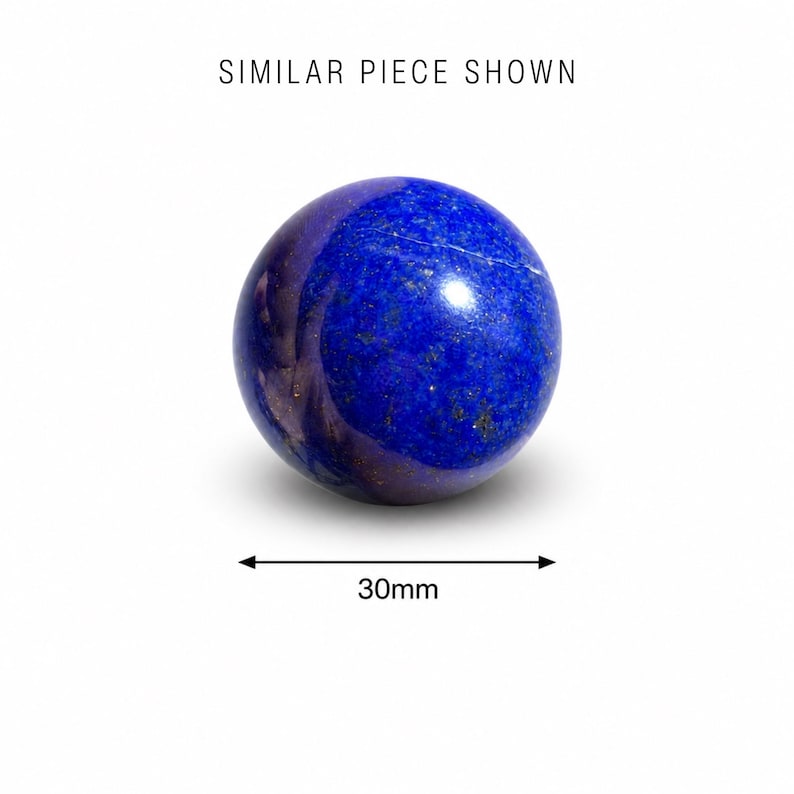
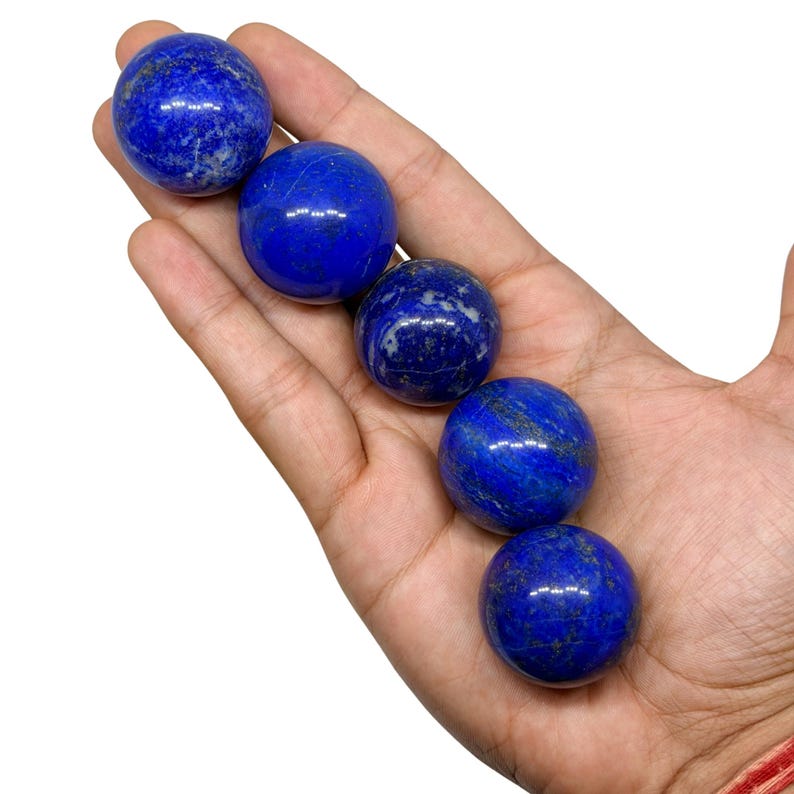
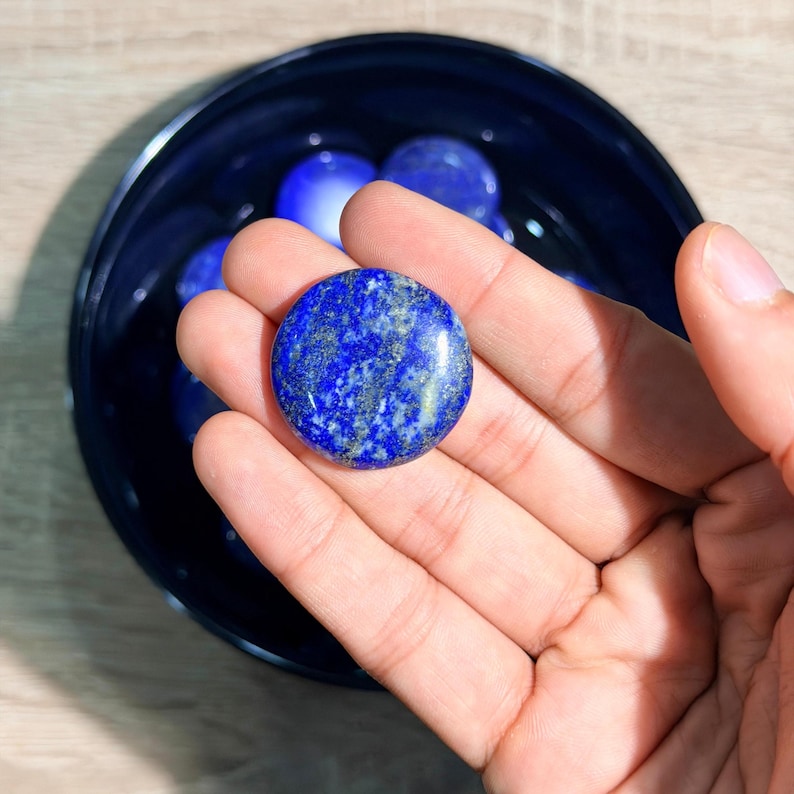
The quickest check is pyrite. Genuine lapis almost always carries small, irregular flecks of pyrite scattered through it, bright metallic gold, embedded in the stone rather than sitting on the surface. Pyrite forms there because the same geological conditions that produce lazurite also favour iron sulphide crystallising nearby.
Sodalite doesn't contain pyrite. If a "lapis" piece has no gold flecks at all, or has gold that looks painted on, smeared, or sitting in a flat layer rather than as distinct metallic grains, be cautious: it may be sodalite, dyed howlite or jasper, or dyed glass sold under the more famous name.
White veining, read differently
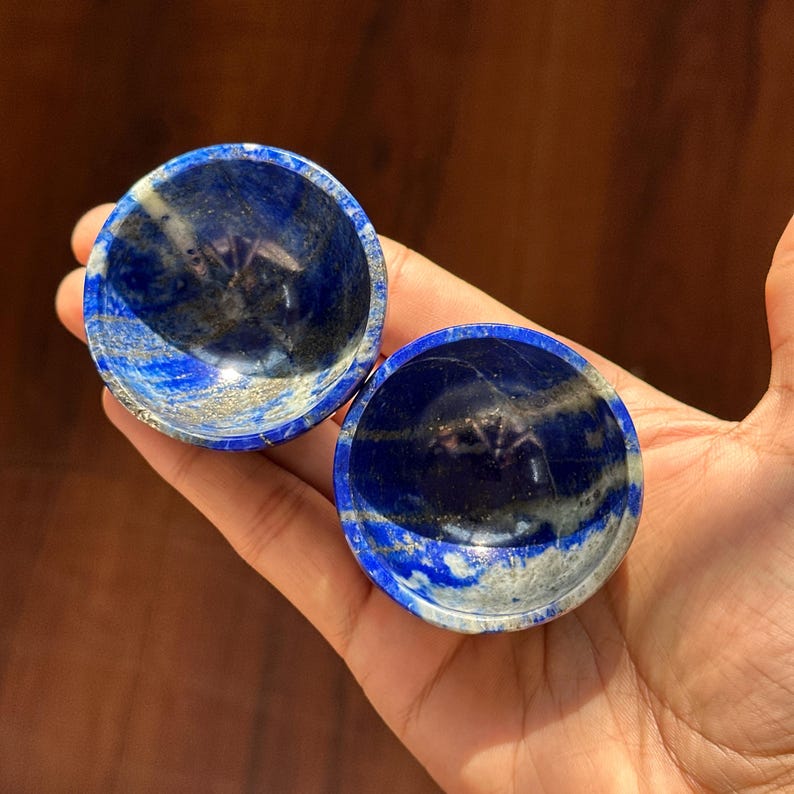
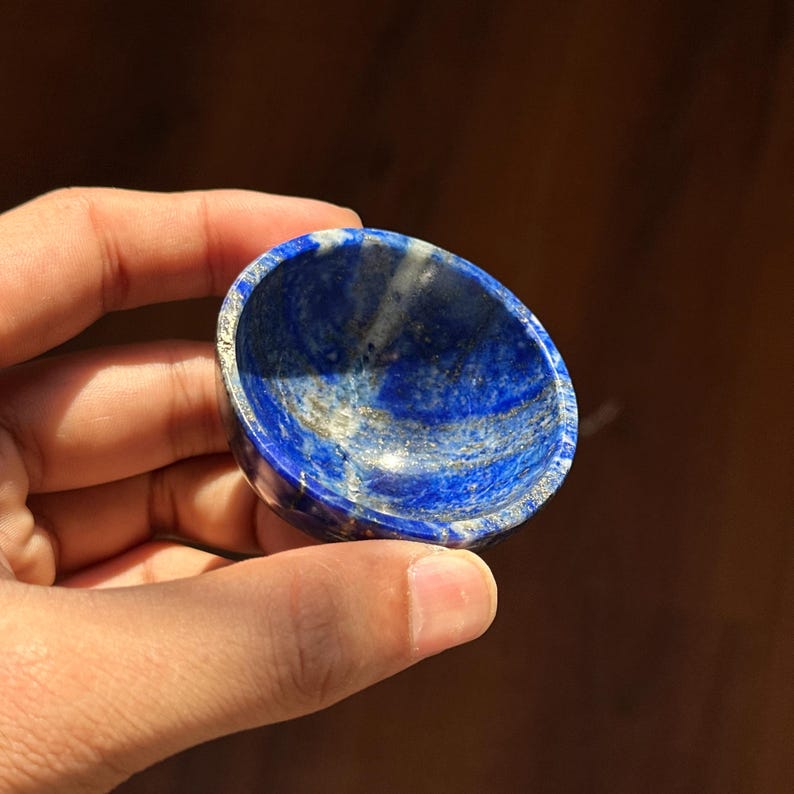
Both stones can show white running through the blue, but it means something different in each. In lapis, the white is calcite, usually in thin, somewhat straight to patchy veins that sit alongside, rather than blending into, the blue. In sodalite, the white is from other minerals in the same rock, typically nepheline or feldspar, and it tends to show up as softer, cloudier patches rather than sharp veins. Neither pattern is a flaw; both are normal for the stone, and a piece with no white at all is less common in sodalite and worth a second look in lapis.
One history stretches back millennia, the other doesn't
Lapis lazuli has been mined at Sar-e-Sang in Afghanistan for about six thousand years, among the longest continuously worked mines anywhere. It travelled the ancient trade routes to Egypt, Mesopotamia and beyond, carved into beads, seals and the inlay on Tutankhamun's funeral mask. Ground to powder, it became ultramarine, the only source of a true, stable deep blue pigment for most of European painting history. Ultramarine was so costly, sometimes priced above gold by weight, that painters reserved it for the most important passages in a picture, often the robes of the Virgin Mary, and patrons' contracts specified how much of it an artist was to use.
Sodalite has no such ancient trade. It was first described as a mineral in 1811, from a sample found in Greenland, and it stayed a mineralogical curiosity until large, gem-quality deposits turned up in Canada and Brazil in the early twentieth century. It has been cut for jewellery and ornament ever since, but as a decorative stone rather than a pigment or a trade good carried across continents.
Why it matters when you're buying
Because sodalite is more recently discovered, more abundant, and easier to mine in large pieces, it's generally the less expensive of the two, and that price gap is exactly why sodalite, and other dyed stones, sometimes get sold as lapis. The pyrite check is the fastest way to protect yourself: real gold flecks embedded in the stone, not painted or glued on. We've written more generally about spotting dye, glass and heat treatment across different stones, and the same logic applies here, look at how the colour and inclusions sit inside the material, not just how it looks on the surface.
Both stones take a good polish and are hard enough for normal handling, cut into spheres, palmstones, beads and carvings. If you want the specific history and the gold flecks, look for lapis. If you want a strong, even blue at a more accessible price, sodalite does the job without pretending to be something older than it is.