Glass, dye and heat: an honest guide to what's natural
Opalite, goldstone, cherry quartz, dyed howlite and heated citrine: which popular 'crystals' are man-made or treated, and how to tell.
Most of what's sold as crystals is natural stone. A few popular pieces aren't, and some natural stones are dyed or heated to change their colour. There's nothing wrong with any of them, as long as you know which is which. Here's what's what.
Man-made, and sold honestly as such
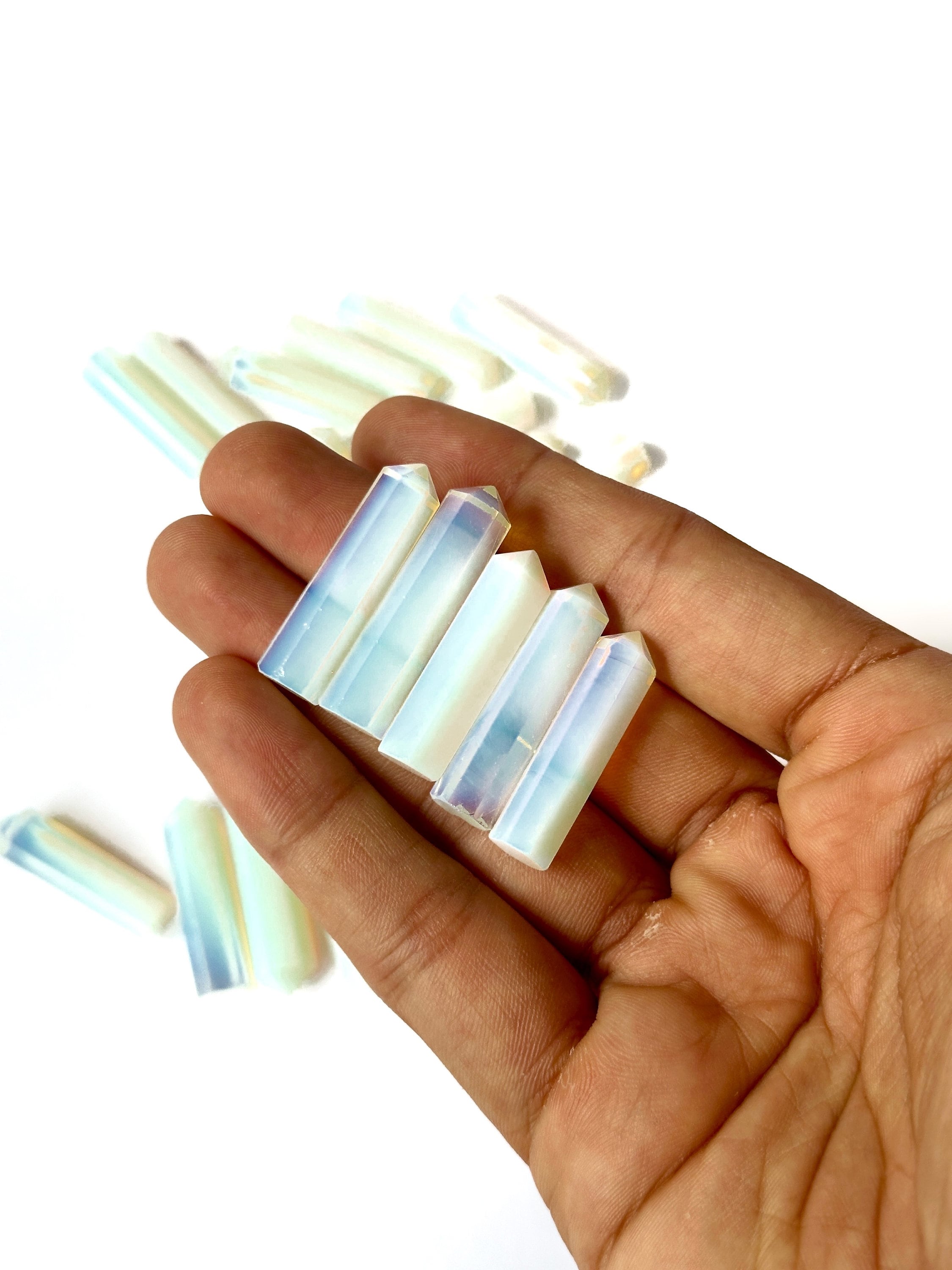
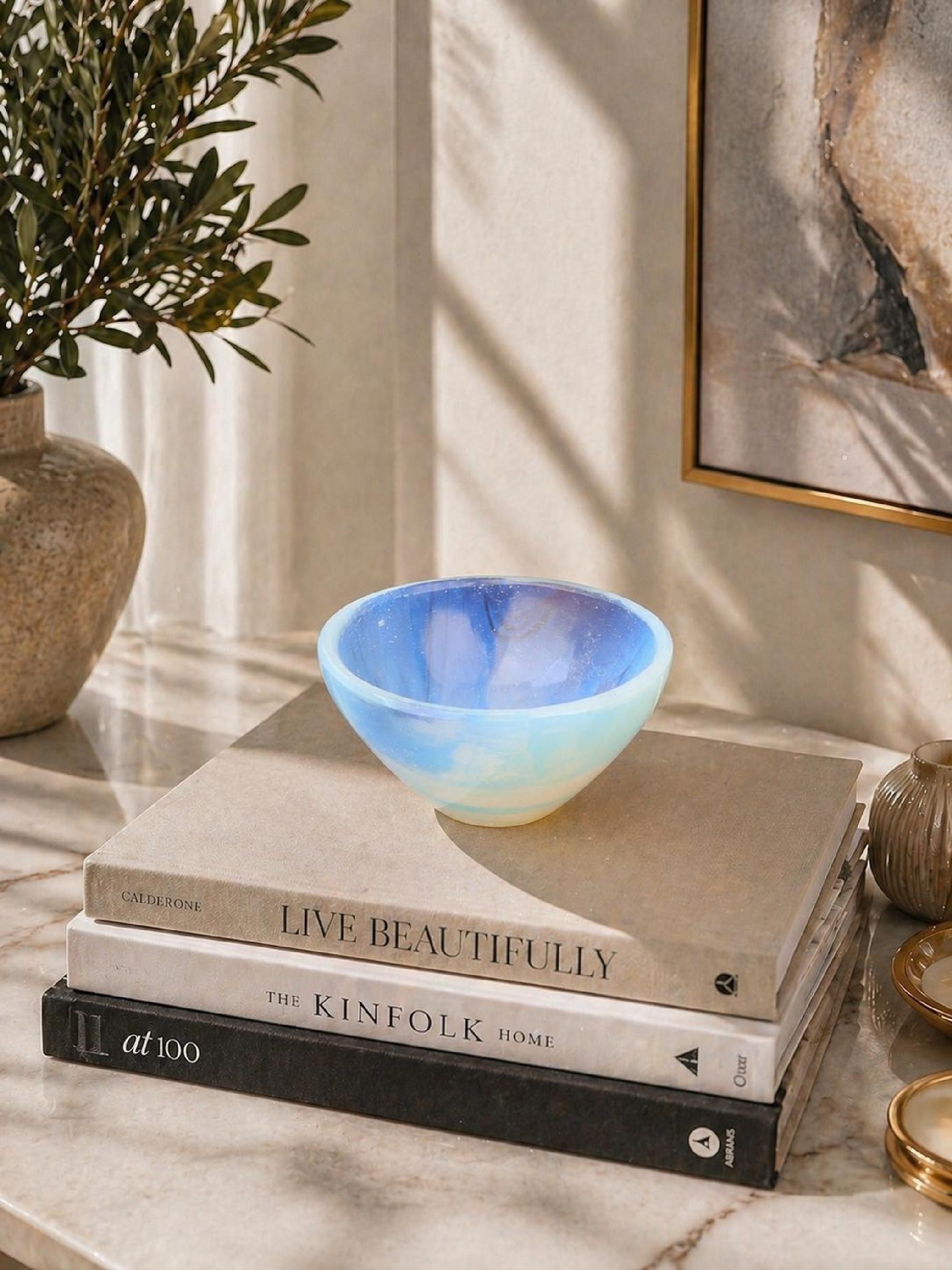
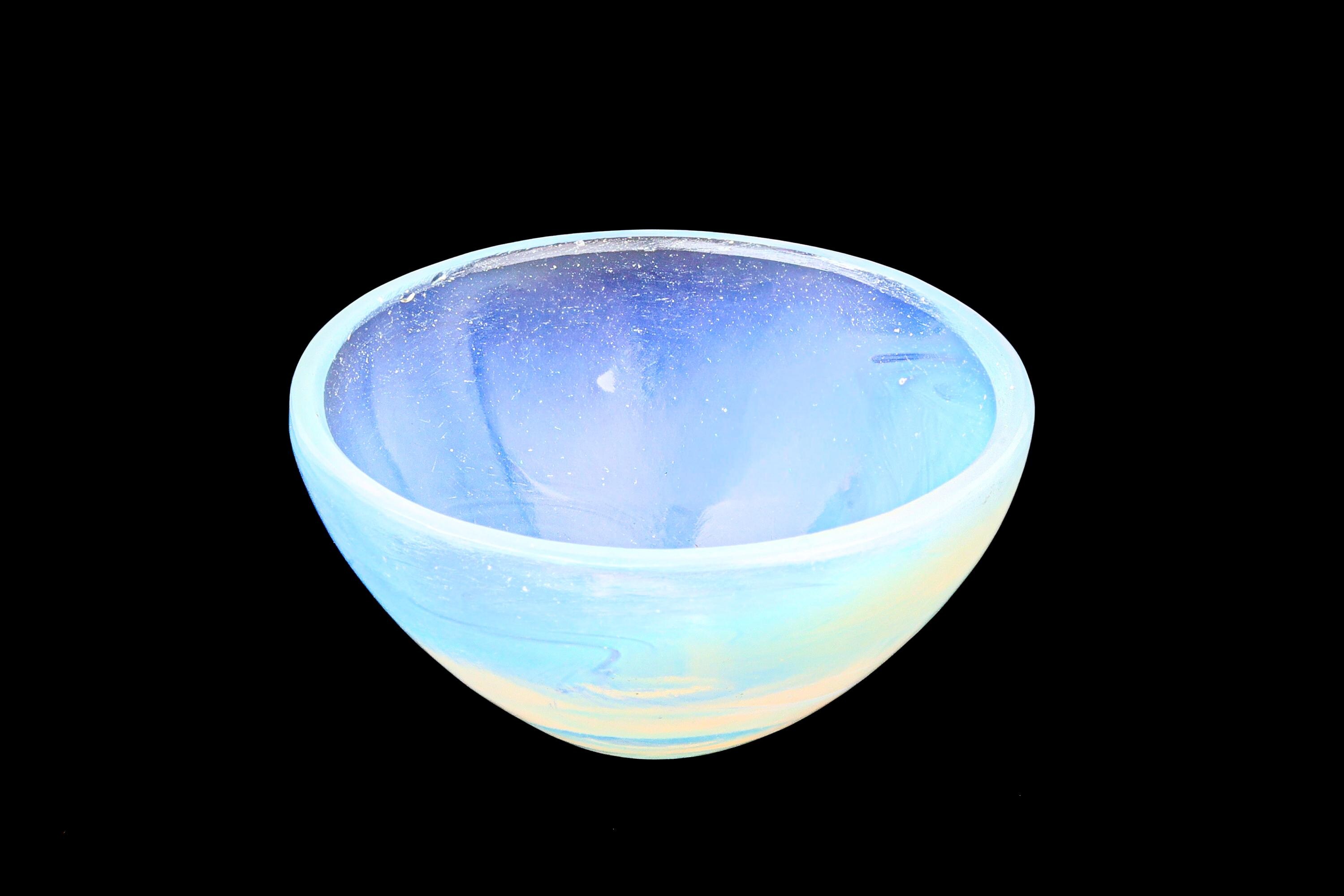
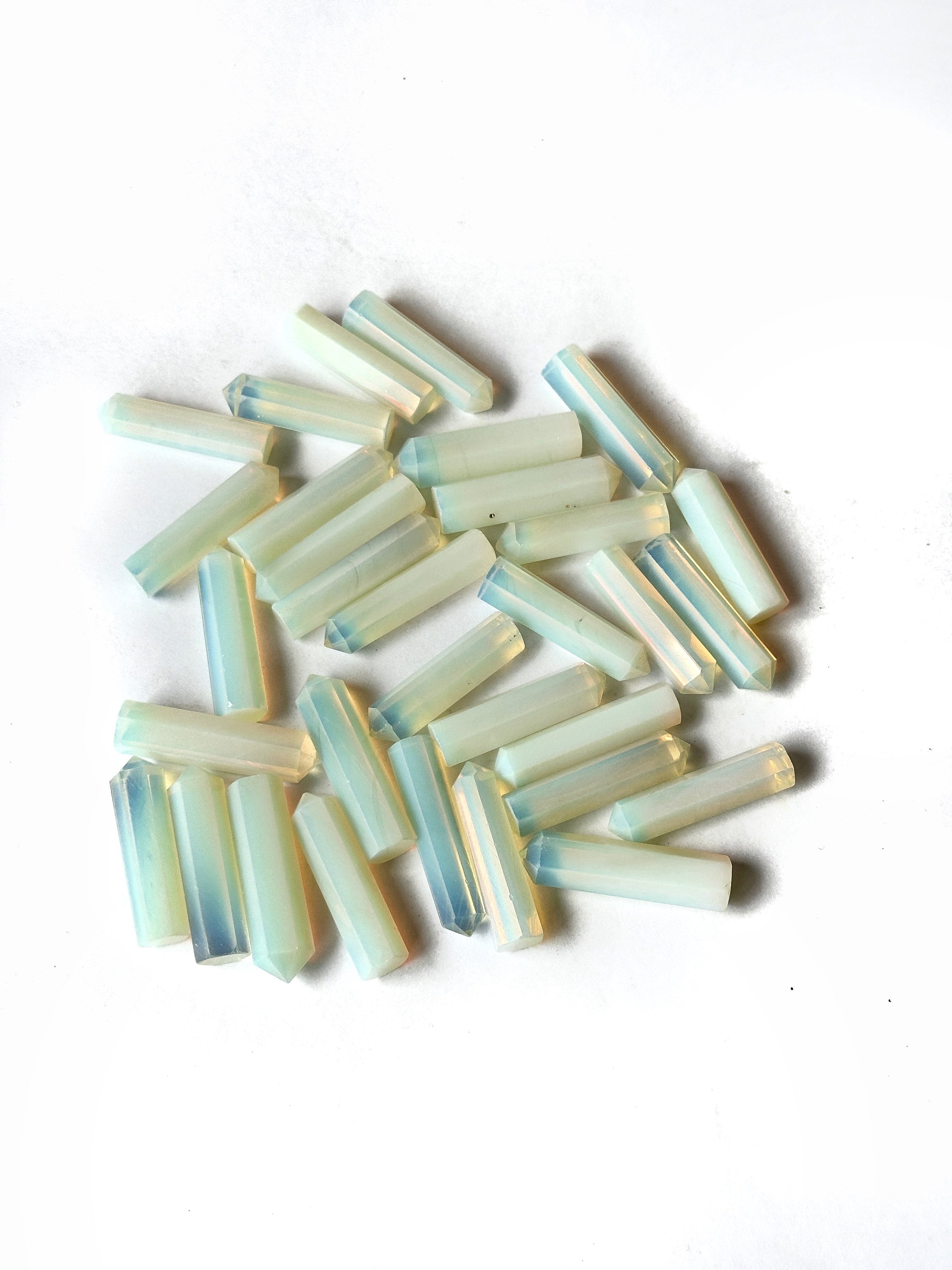
Opalite is glass. It's a milky, bluish-white glass that glows orange against a dark background. It's pretty and inexpensive, and it's not opal or any natural stone. If you like the look, that's a fine reason to own opalite; just know that it's glass.
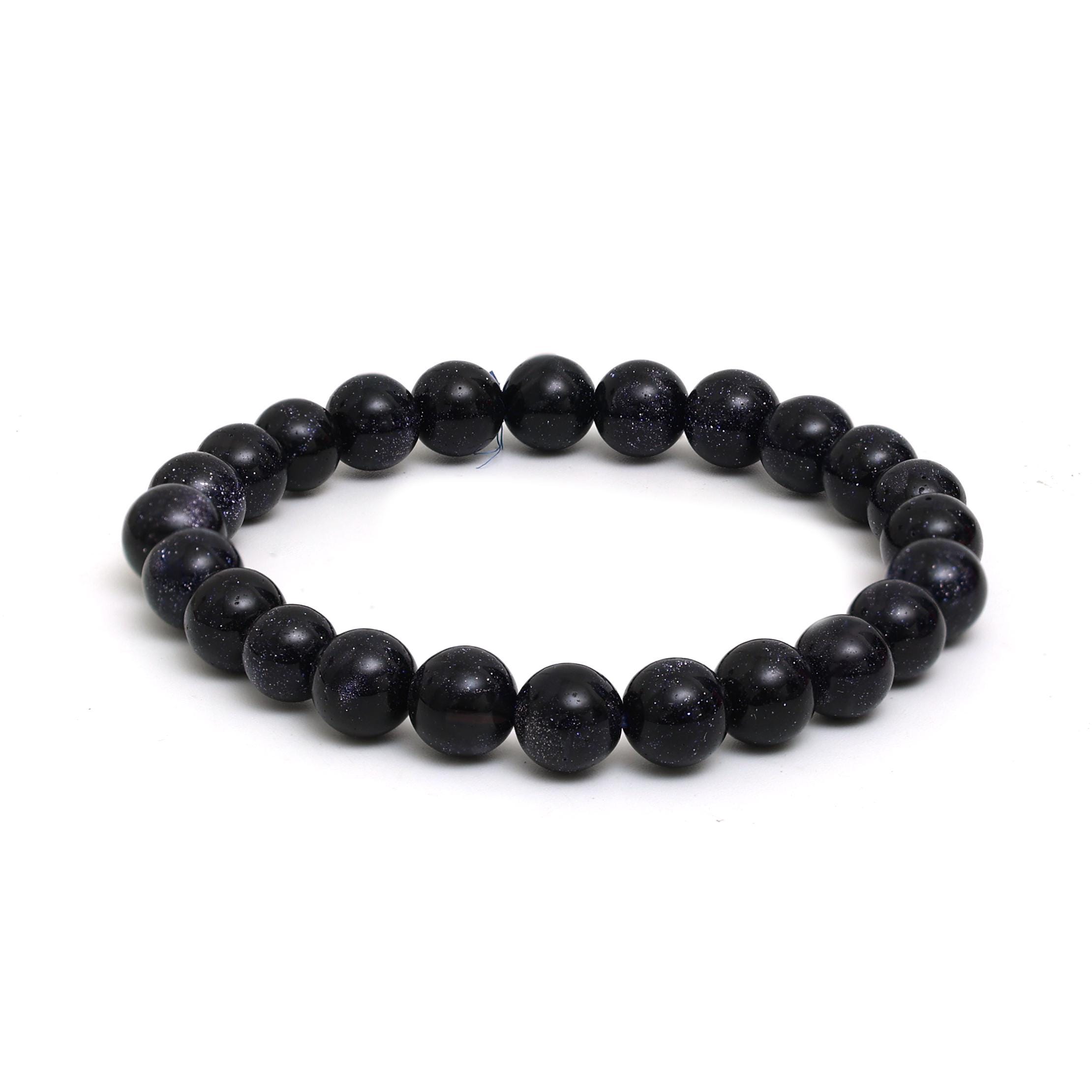
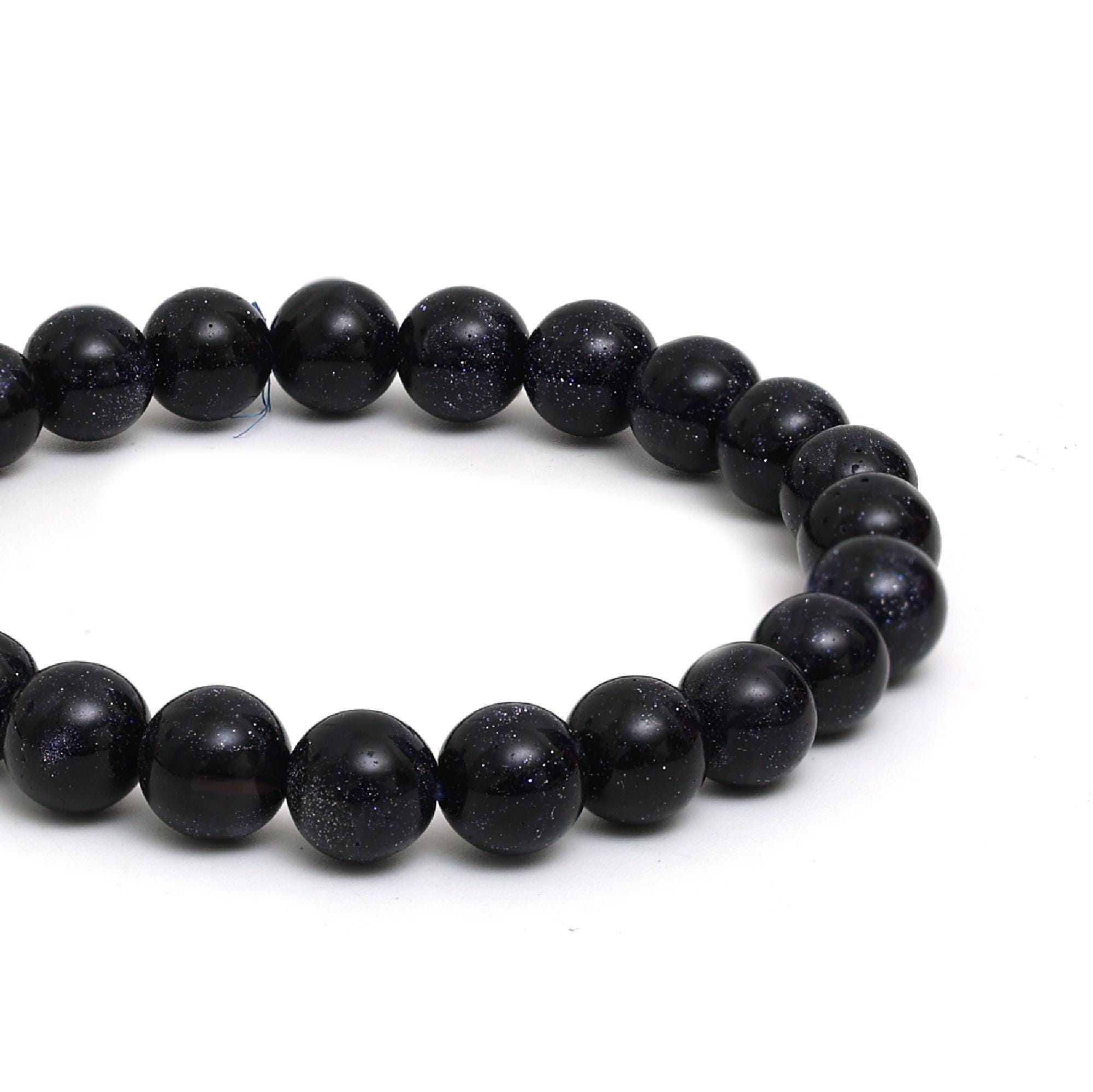
Goldstone is glass with copper crystals grown in it, which gives it a warm glitter. It was made in Venice from the seventeenth century. Blue goldstone uses cobalt instead. Goldstone is man-made, but it has a longer history than many natural stones on the market.
Man-made, but often sold as natural
Cherry quartz and strawberry quartz in bright, see-through pink or red, with swirly streaks, are almost always glass. Natural strawberry quartz exists, but it's rare, pale and has visible needle-like inclusions.
Aqua aura and other rainbow-coated quartz are natural quartz coated with a thin film of metal, usually gold or titanium, in a vacuum chamber. The quartz underneath is real; the colour isn't.
Dyed
Howlite is a white stone with grey veins that takes dye very well. Dyed blue, it's sold as turquoise, or as "turquenite". Real turquoise is more expensive and varies in colour; a batch of dozens of beads in exactly the same bright blue with dark veins is almost always dyed howlite or magnesite. Plain white howlite is the undyed stone.
Agate is often dyed bright blue, pink, green or purple, especially in slices. Natural agate comes in greys, browns, whites, reds and softer blues. Colours that look like highlighter pens aren't natural.
Heated
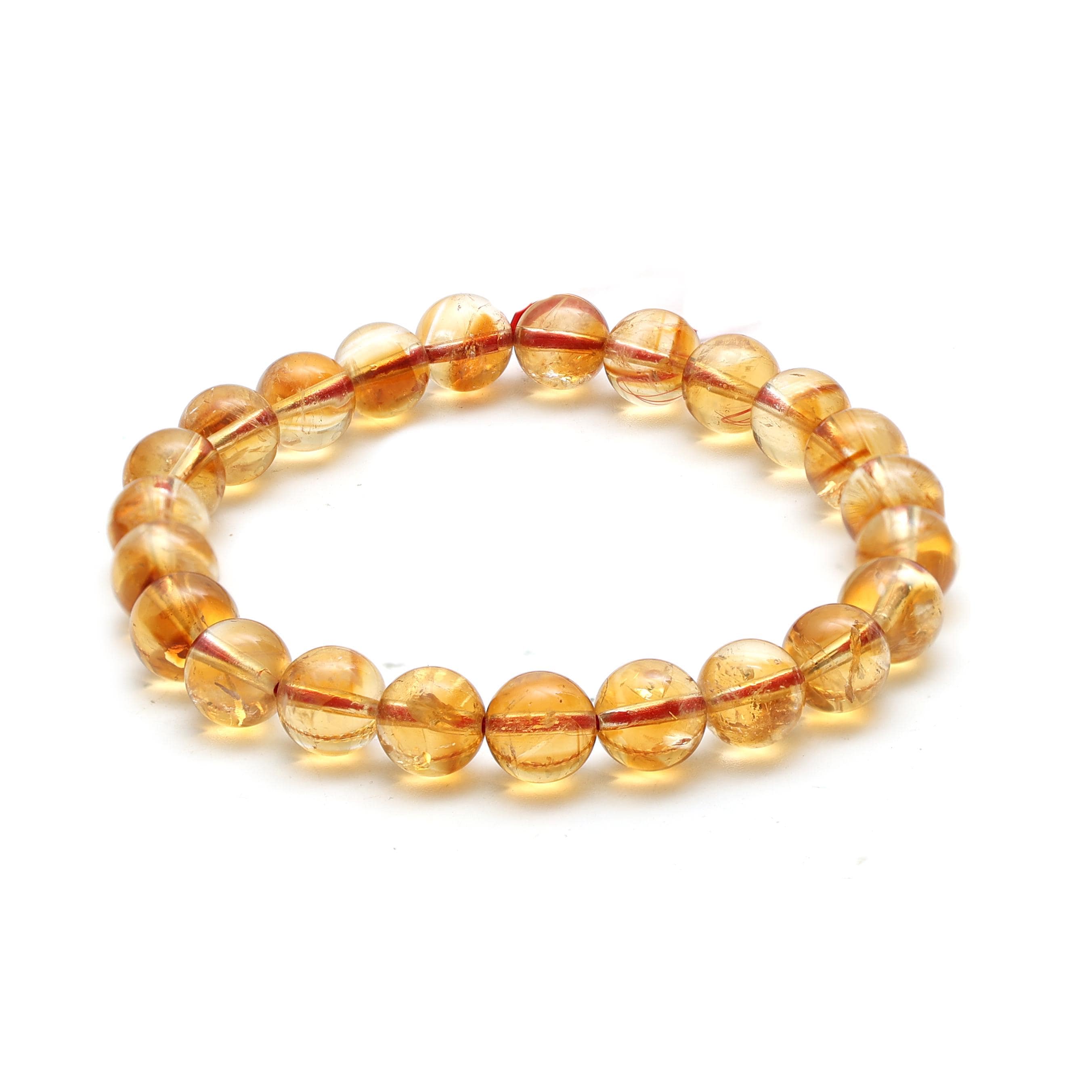
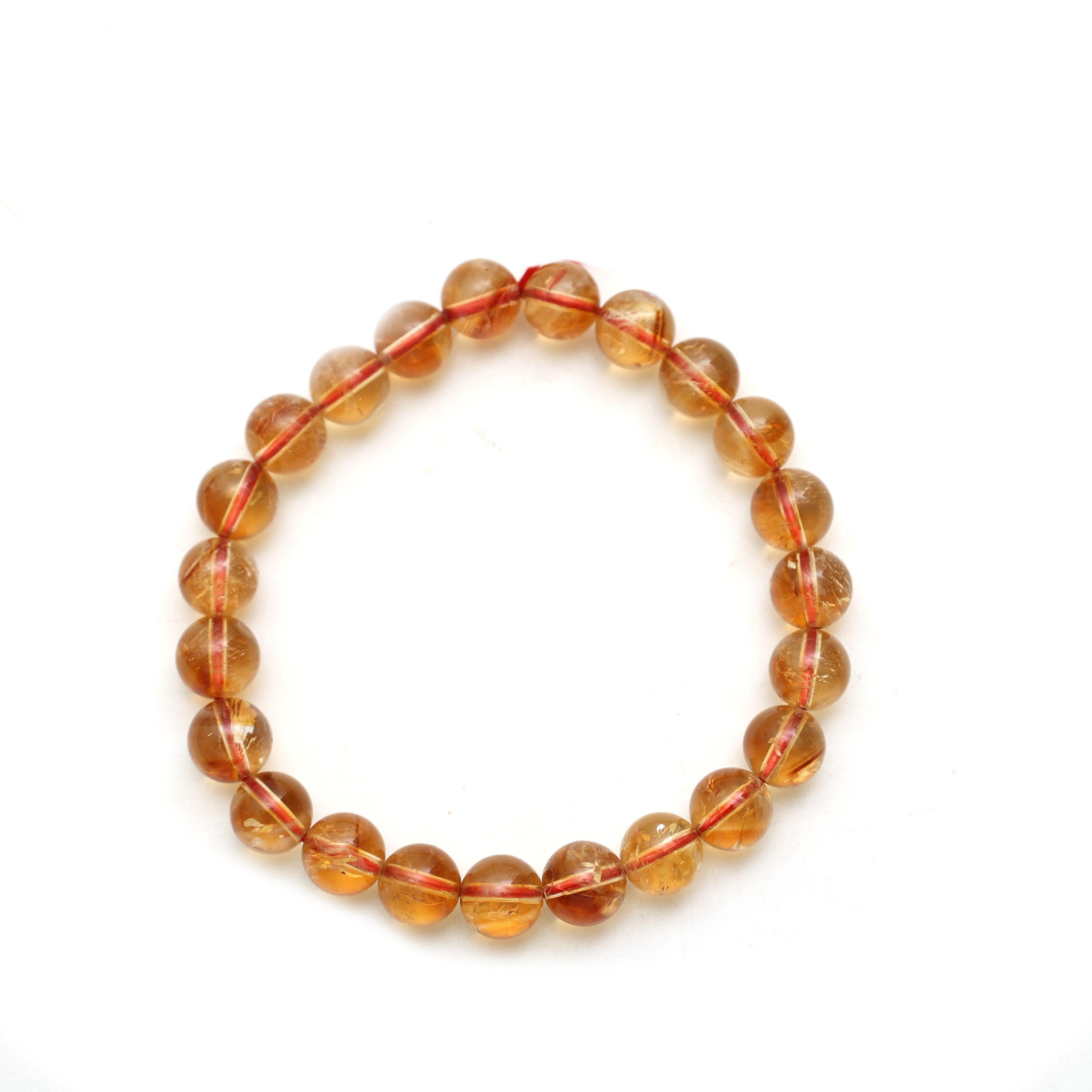
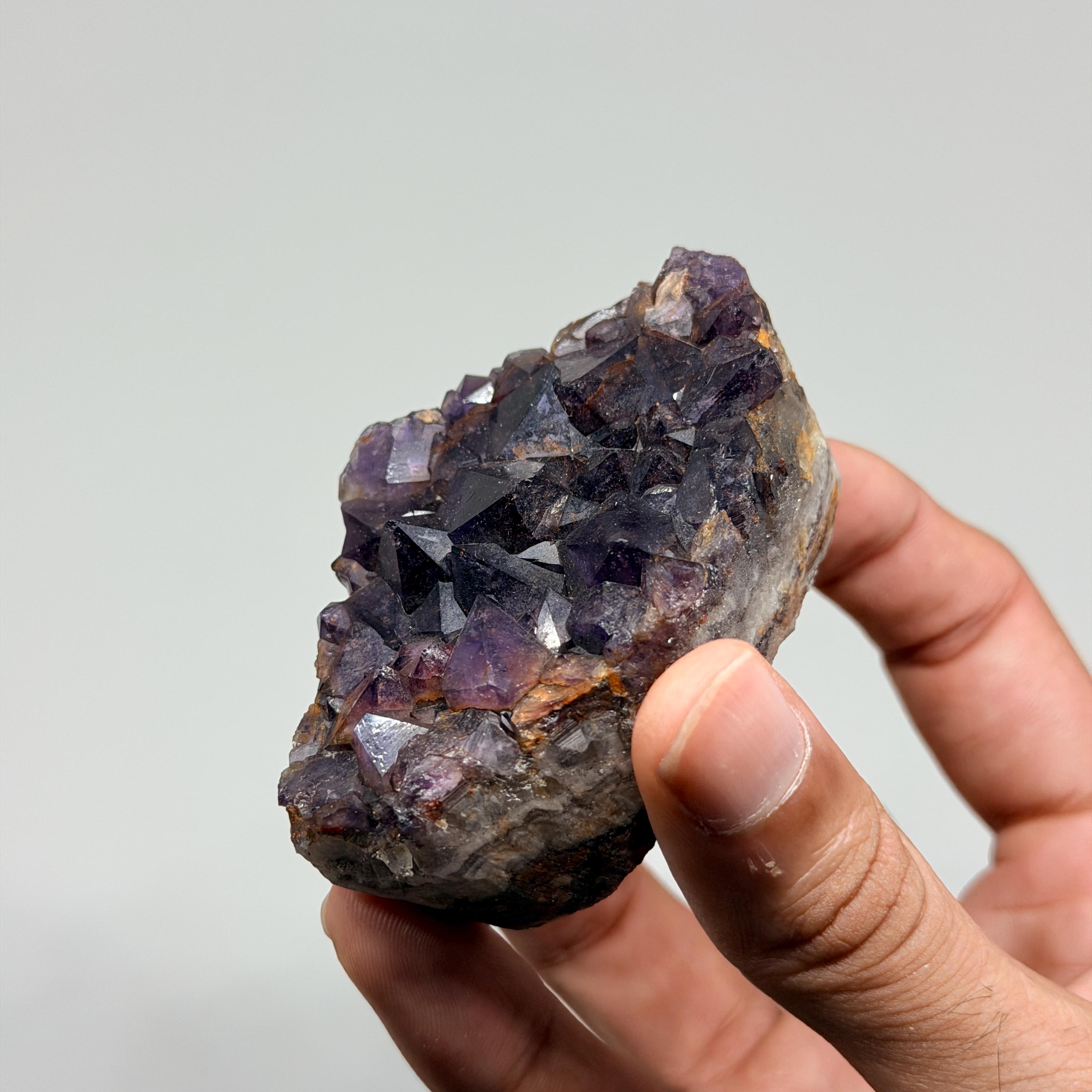
Citrine in deep orange to brown is usually amethyst that has been heated. It's still quartz, and the change is permanent, but the colour isn't how it came out of the ground. Heated clusters often have a telltale white base with orange tips, the opposite of how natural citrine grows. You can read why in why amethyst is purple.
Carnelian is also commonly heated, and has been for thousands of years. It's a traditional treatment and it's how most carnelian is coloured. See the history of Khambhat's agate.
Ask
We'd rather you knew what you're buying. If you're ever unsure whether a piece is natural, heated, dyed or glass, ask us and we'll tell you straight.