What is Himalayan quartz, and how is it different?
Himalayan quartz is clear quartz dug by hand at high altitude. What the name actually promises, why the crystals are so clean, and the green chlorite inside some pieces.
Ask where a crystal point was mined and most sellers can't tell you. Ask about Himalayan quartz and you get an answer: high mountain veins, dug out by hand, often a long mule or porter journey from the nearest road. That's an unusually specific origin story for a stone as common as quartz, and it's worth asking what it actually changes about the crystal in your hand.
A place name, not a different mineral
Himalayan quartz is still clear quartz, silicon dioxide, the same mineral as the glassy points sold from Brazil, Madagascar or Arkansas. Nothing in its chemistry sets it apart. What the name promises is where and how it was taken from the ground: veins running through the metamorphic rock of the high Himalaya, mostly on the Indian side in Himachal Pradesh and Uttarakhand, at altitudes where trucks and heavy machinery can't easily follow.
That matters more than it sounds. Most of the world's quartz is blasted or mechanically excavated from large deposits, which is efficient but hard on delicate crystal terminations. Himalayan quartz is still largely dug by hand with simple tools, worked out of narrow cracks in the rock a piece at a time. Slower and far more expensive per kilo, but gentler on the crystal.
Why the points look so clean
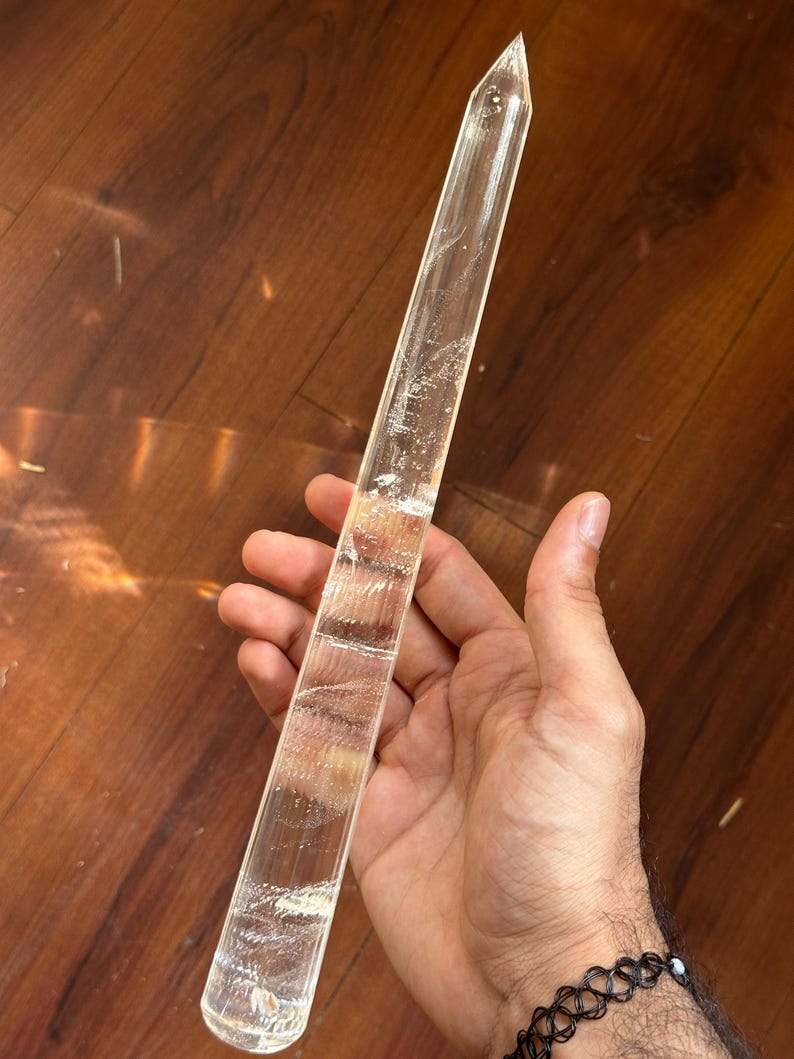
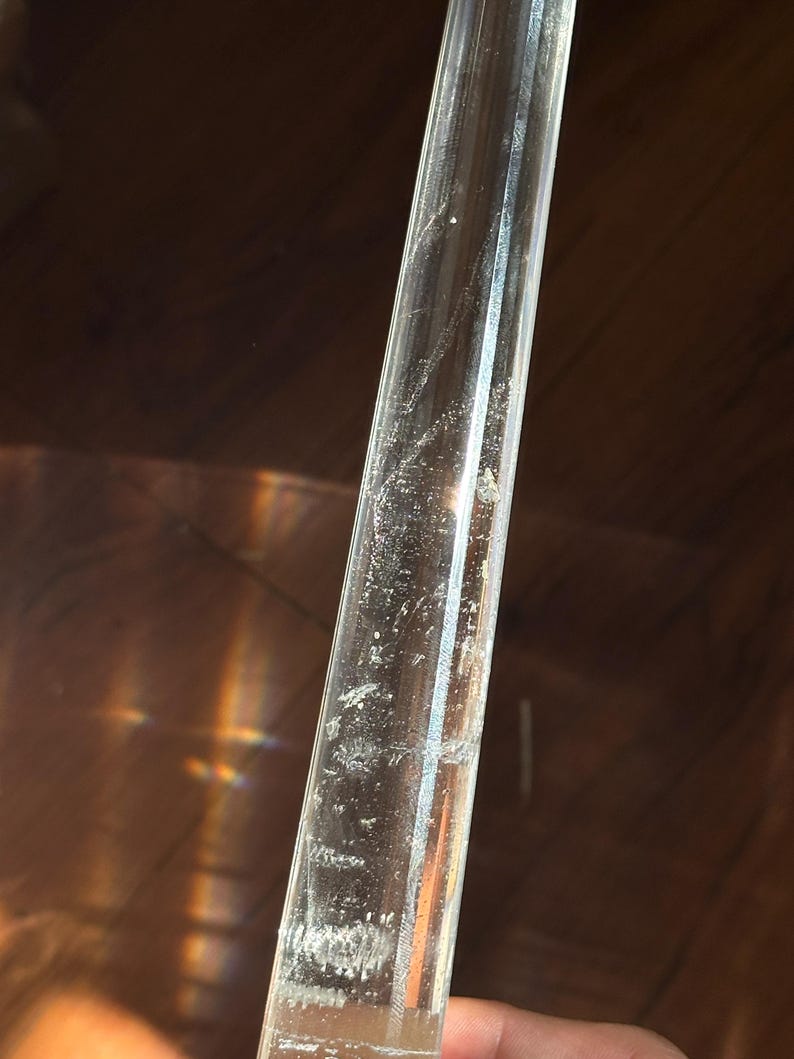
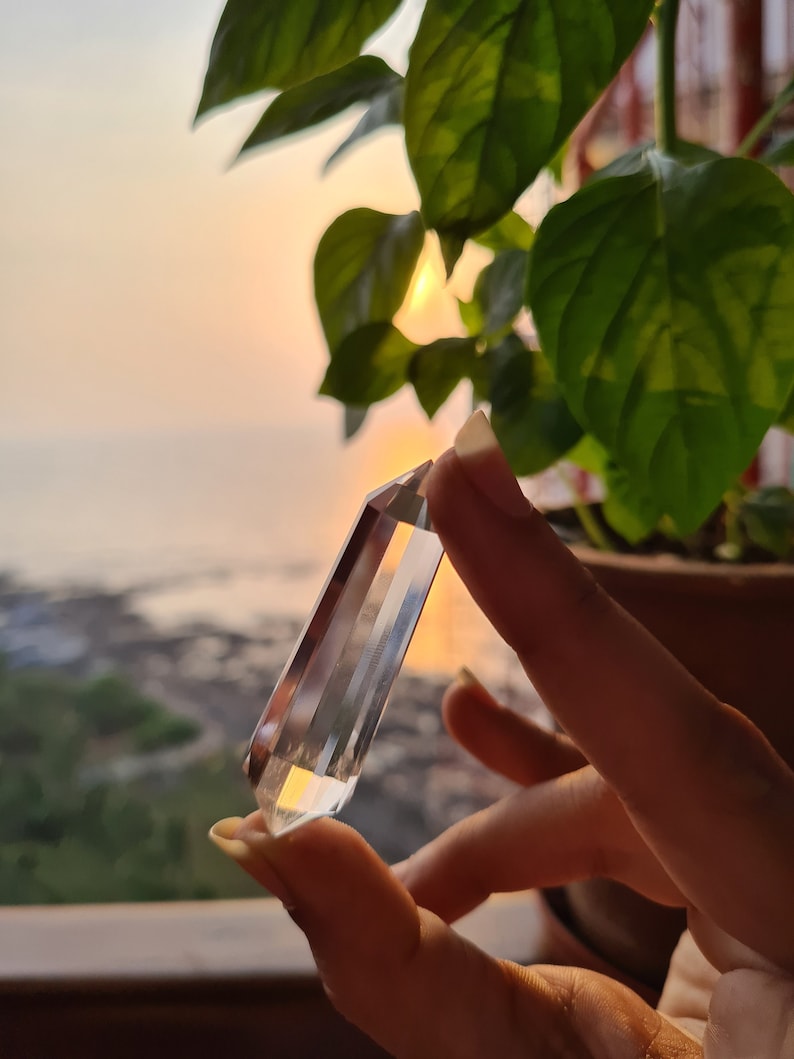
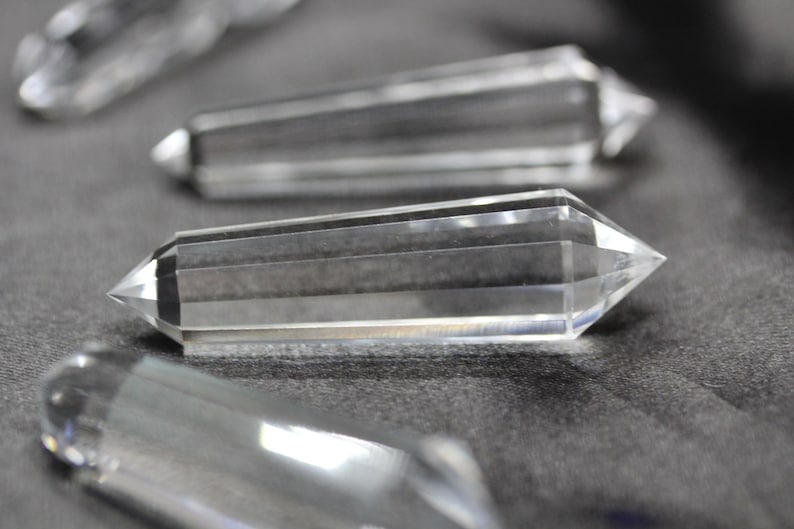
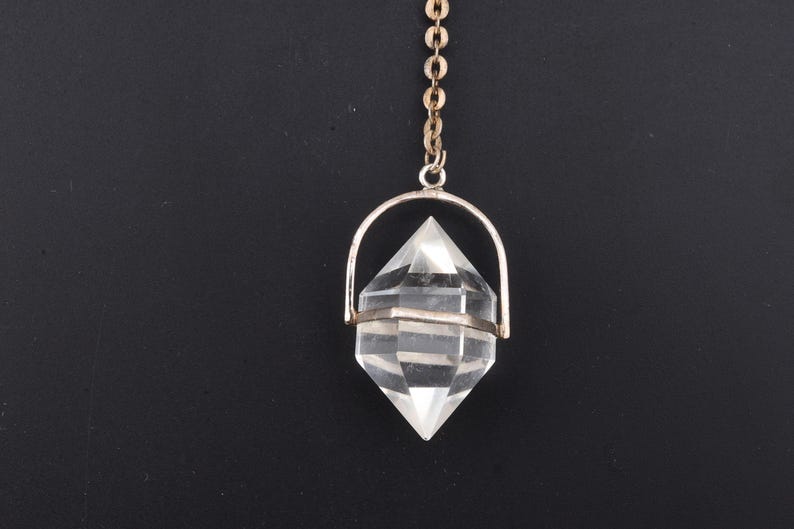
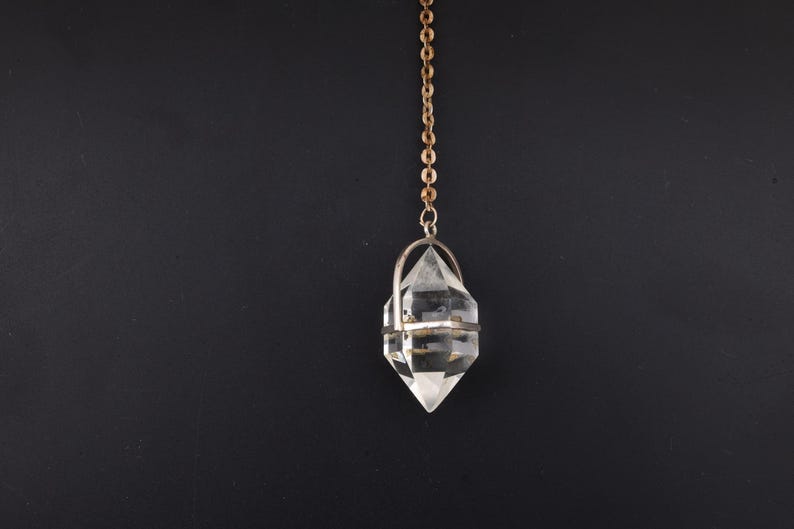
Quartz that forms slowly in a stable, undisturbed cavity tends to grow with sharp, flat faces and few internal fractures. A lot of Himalayan material grew exactly that way, in pockets within metamorphic rock that weren't disturbed by later movement or heat. The result is points and clusters with unusually glassy clarity and crisp geometry, which is the main reason the name carries a premium at gem shows and in mineral collecting circles, separate from any claim about rarity.
It isn't a guarantee. Himalayan deposits also produce plenty of cloudy, fractured or included material, the same as anywhere else. The clean, water-clear pieces that built the reputation are the best of what comes out of the ground, not the average.
The green ghosts inside
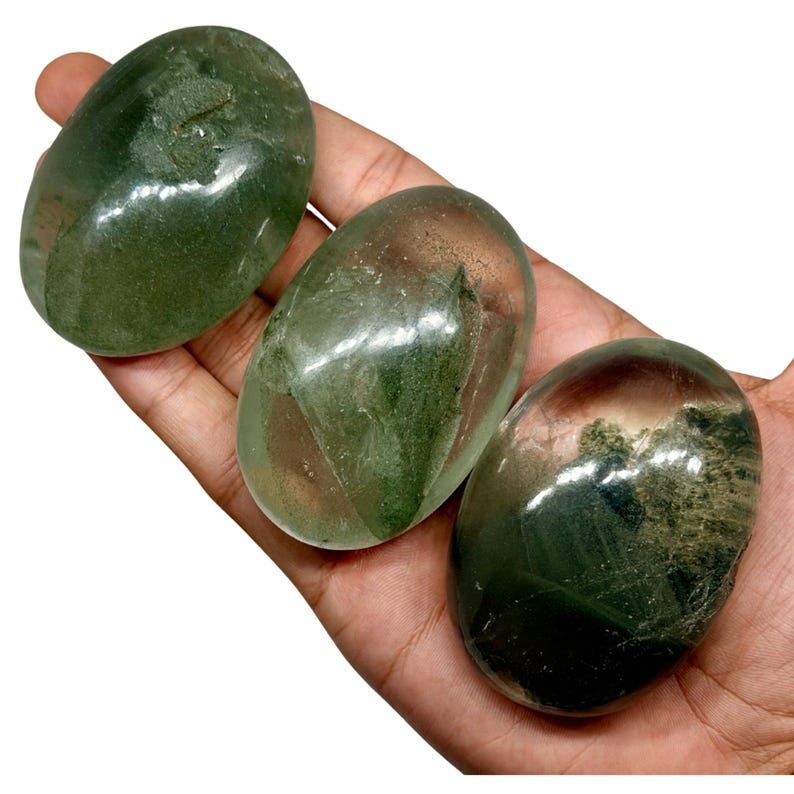
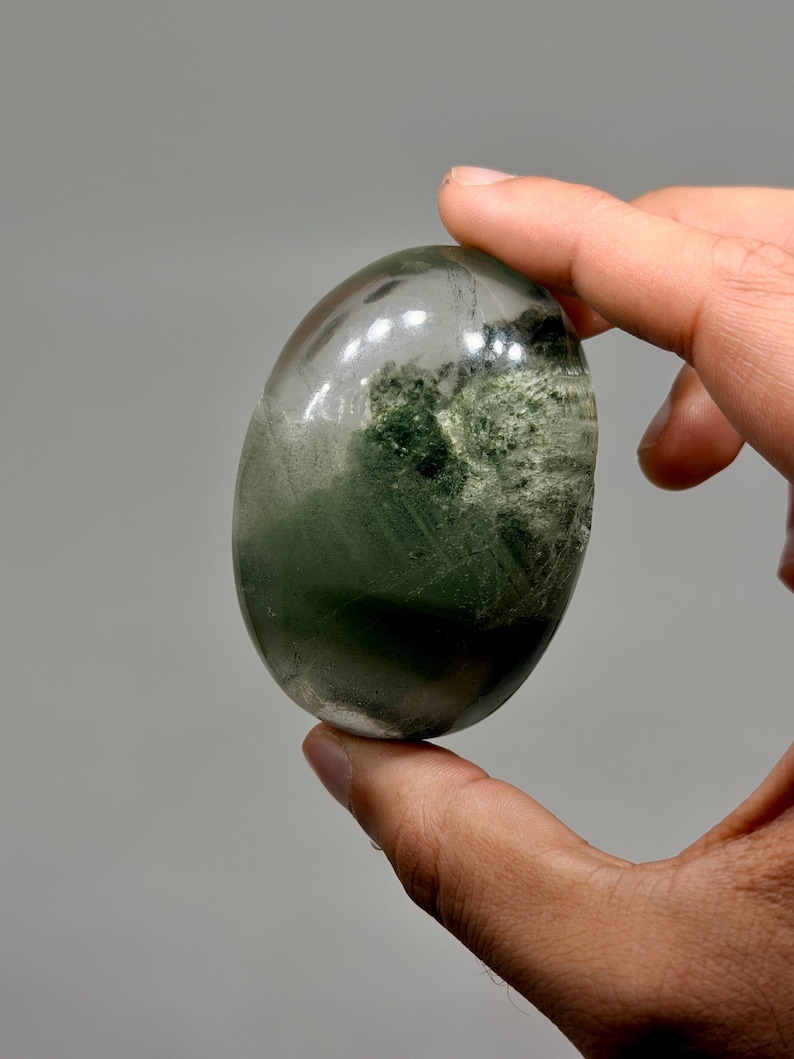
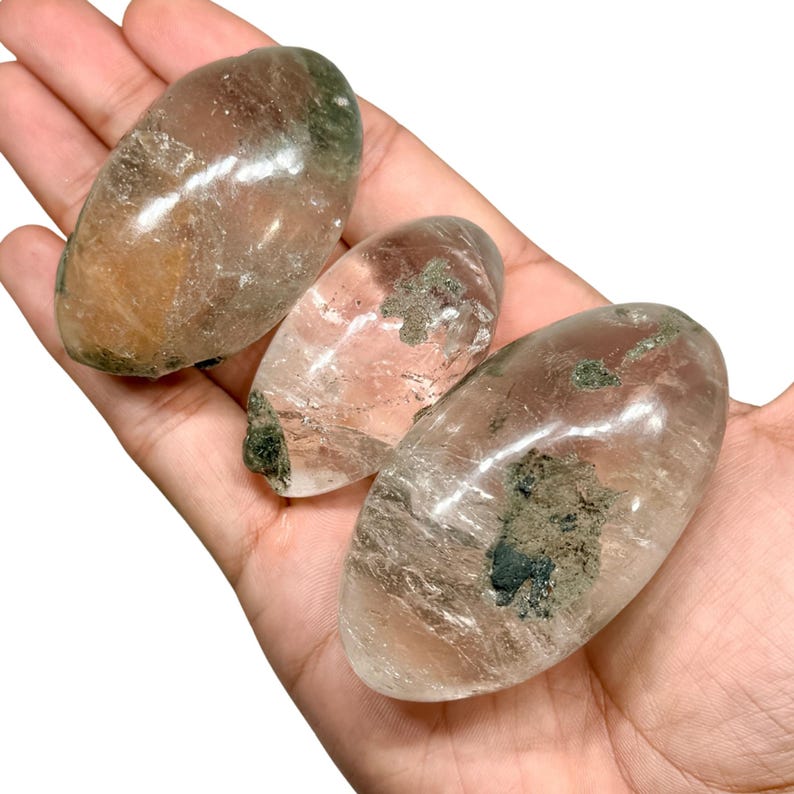
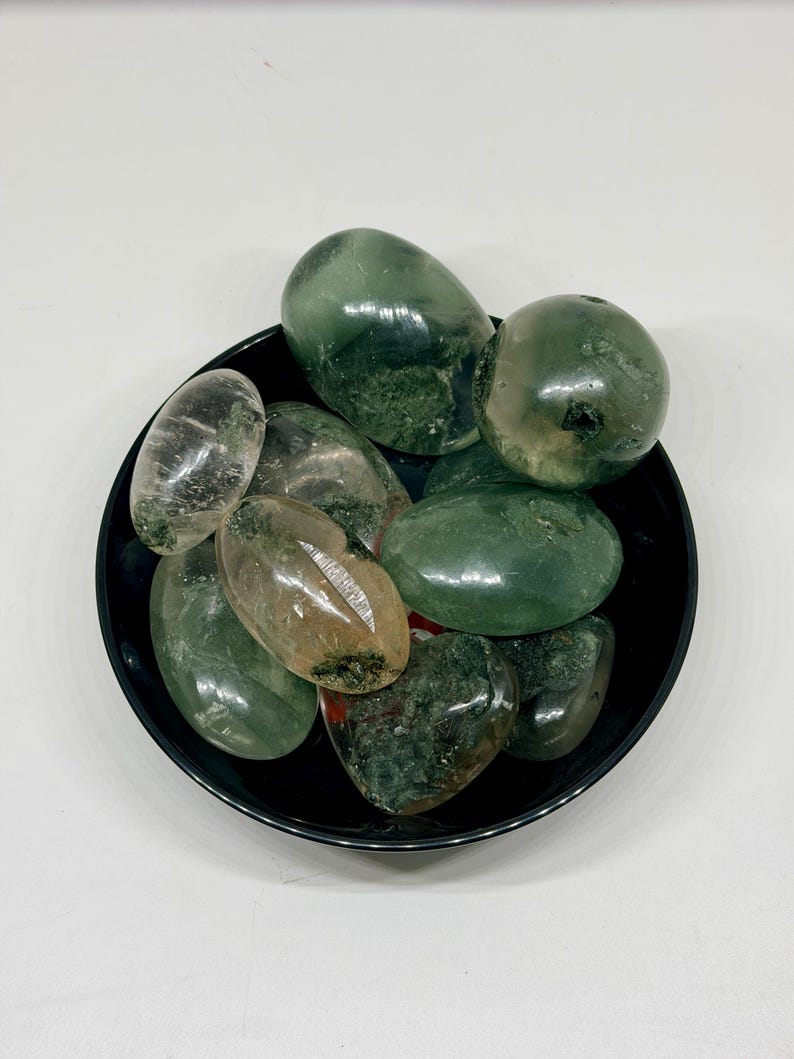
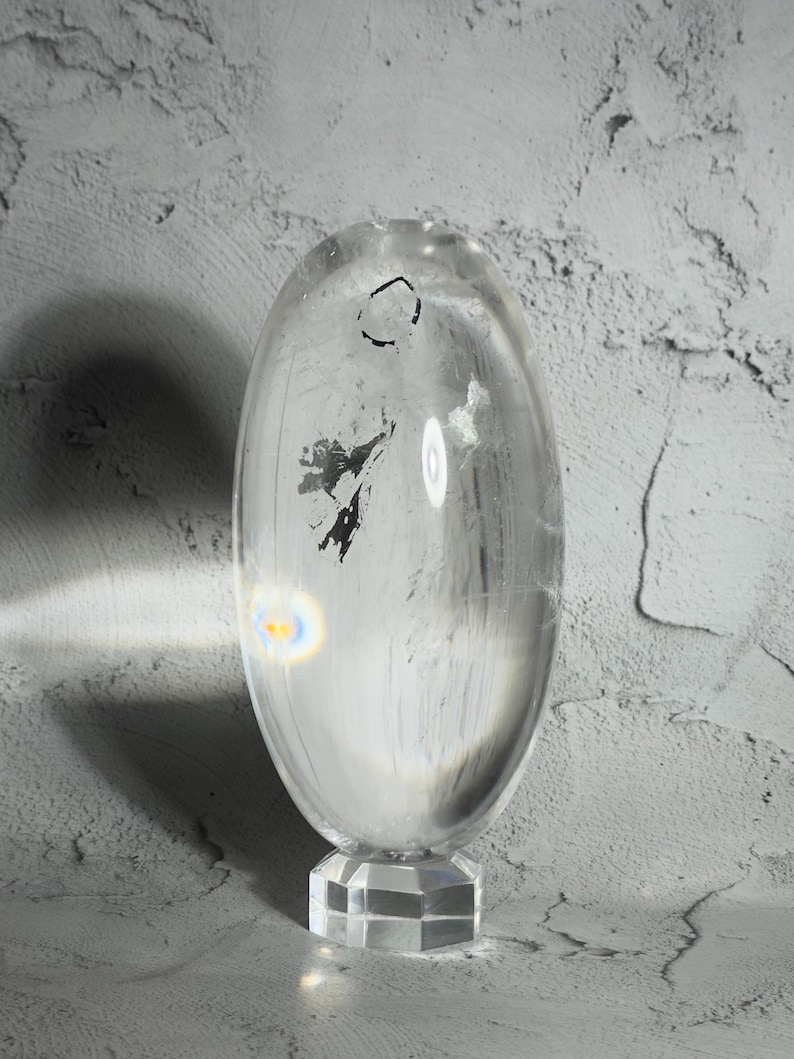
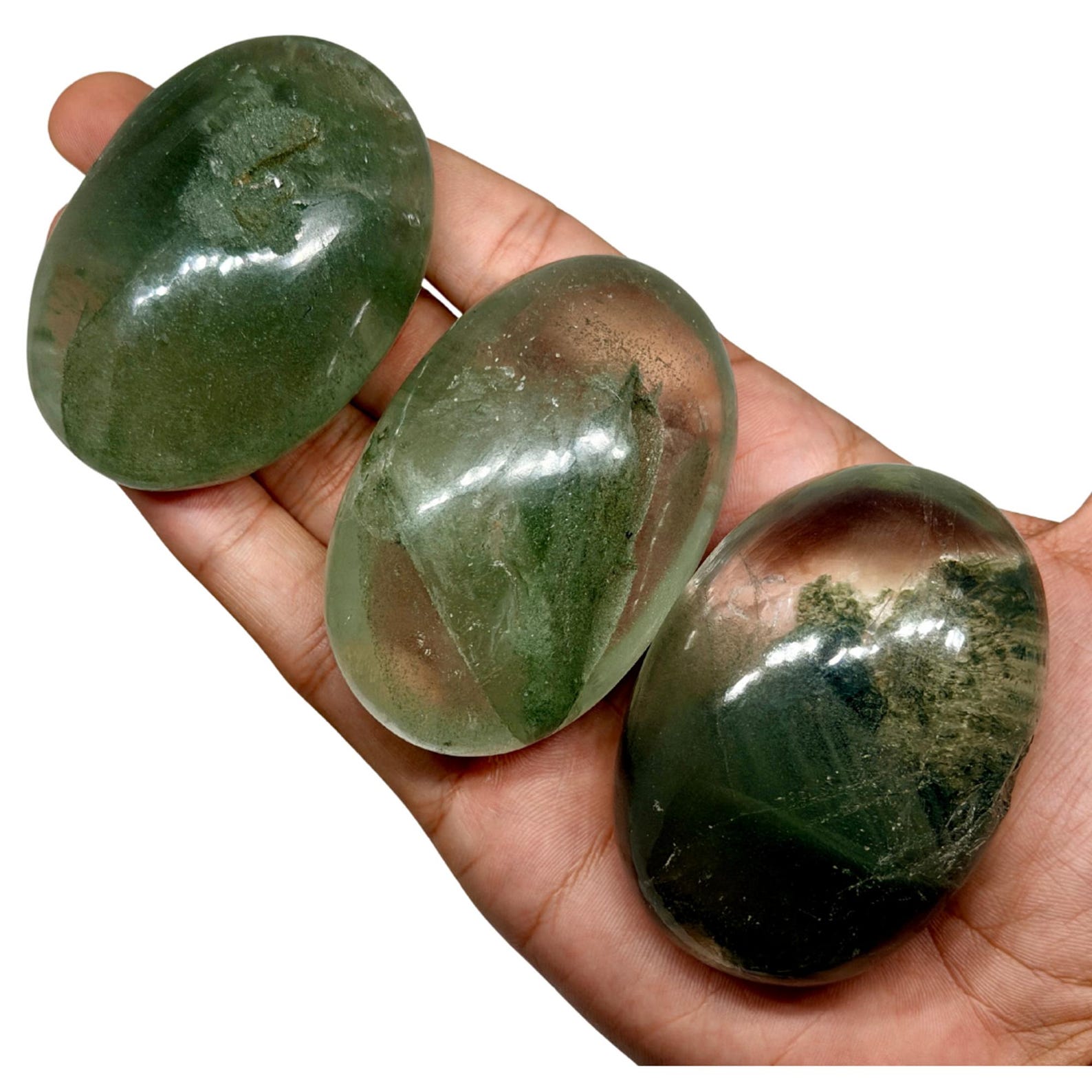
Look through a Himalayan quartz point and you'll sometimes find faint green or grey-green patches, feathery and cloud-like, sitting inside the clear crystal rather than on its surface. That's chlorite, a soft, iron-and-magnesium-rich mineral that was growing in the same cavity and got partly overgrown as the quartz kept forming around it. Dealers sometimes sell the more heavily included pieces as "Himalayan chlorite quartz" or "chlorite quartz" on their own.
The chlorite is a genuine mineral inclusion, not a flaw to be ashamed of or a feature to oversell. It tells you something true about how the crystal grew: two minerals sharing a pocket in the rock, one engulfing the other over time.
Telling it from quartz dug elsewhere
There's no single test that proves a point is Himalayan rather than, say, Brazilian, because the mineral itself is identical either way and reputable sellers are relying on where they bought it, not on anything you could check with a loupe. A few things are at least suggestive. Himalayan points often show a slight natural etching or frosting on their faces from their time in the ground, rather than the mirror-smooth faces typical of large commercial Brazilian clusters. Many pieces are also smaller and more slender, a function of the narrow veins they grew in, and often come as single points or small clusters rather than the room-sized clusters that Brazilian mines are known for. None of that is proof on its own, which is why provenance in this corner of the trade comes down to trusting who you buy from.
If you want the science of how any of these cavities filled with crystal in the first place, we've written about it more generally in how geodes form; the same slow mineral-rich water that lines a geode is doing the work in a Himalayan vein, just under different pressure and temperature. And if purple rather than clear quartz is what you're after, why amethyst is purple covers the one difference that actually is chemical.
Buying it
Himalayan quartz is sold mostly as natural, lightly worked points and small clusters, kept close to how they came out of the rock rather than cut into spheres or carvings, since the appeal is the crystal's own growth, not a shaped finish. If clarity matters most to you, ask to see the piece in good light before buying, since that's still the best way to judge it; if the swirling green inclusions appeal to you, look for chlorite quartz specifically rather than treating it as a flaw in an otherwise clear piece.