What is lepidolite? The lilac mica explained
Lepidolite is a lithium-rich mica, not a quartz or feldspar. Why it's purple, where it forms, why it glitters, and its odd history as a lithium ore.
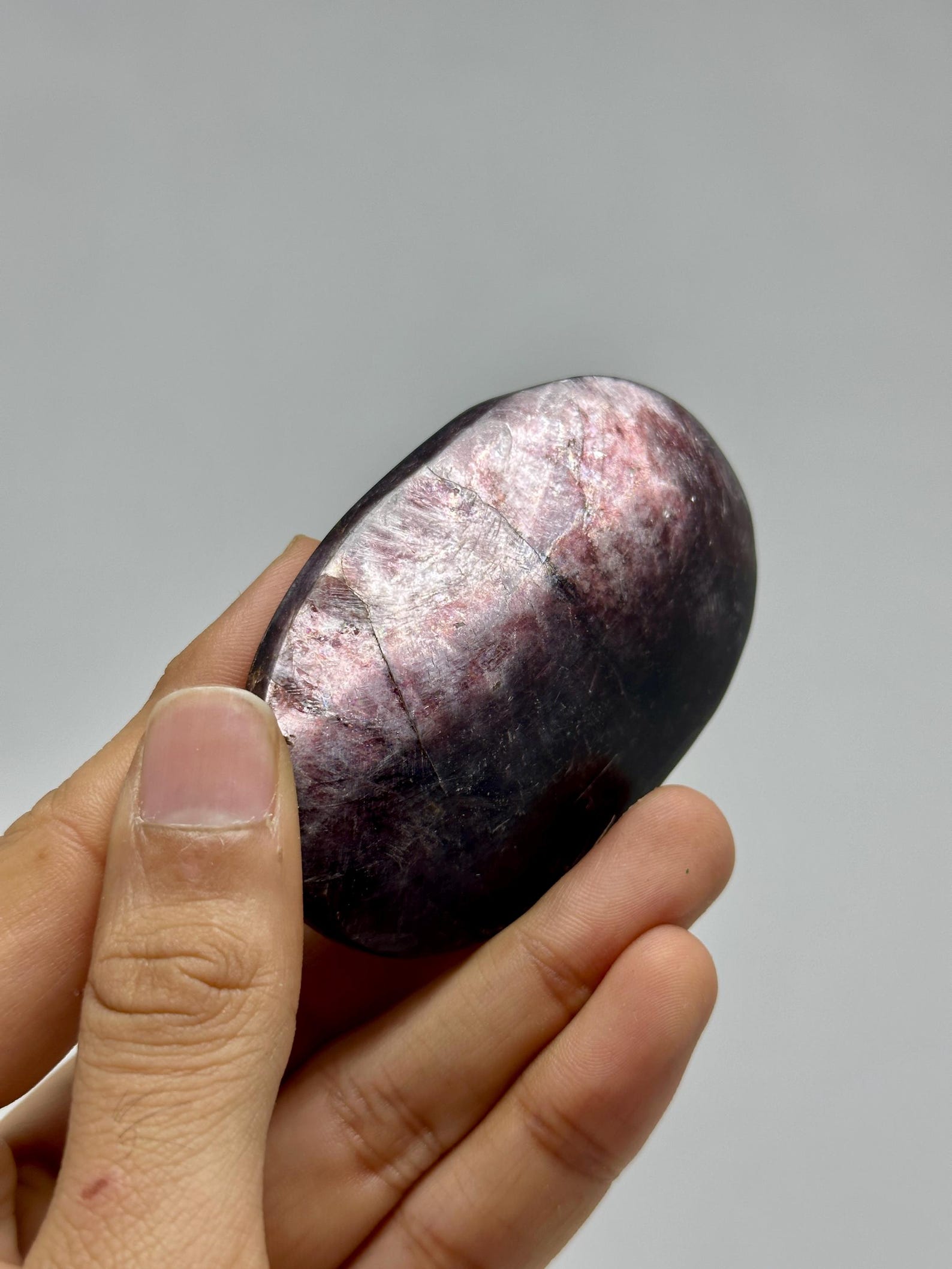
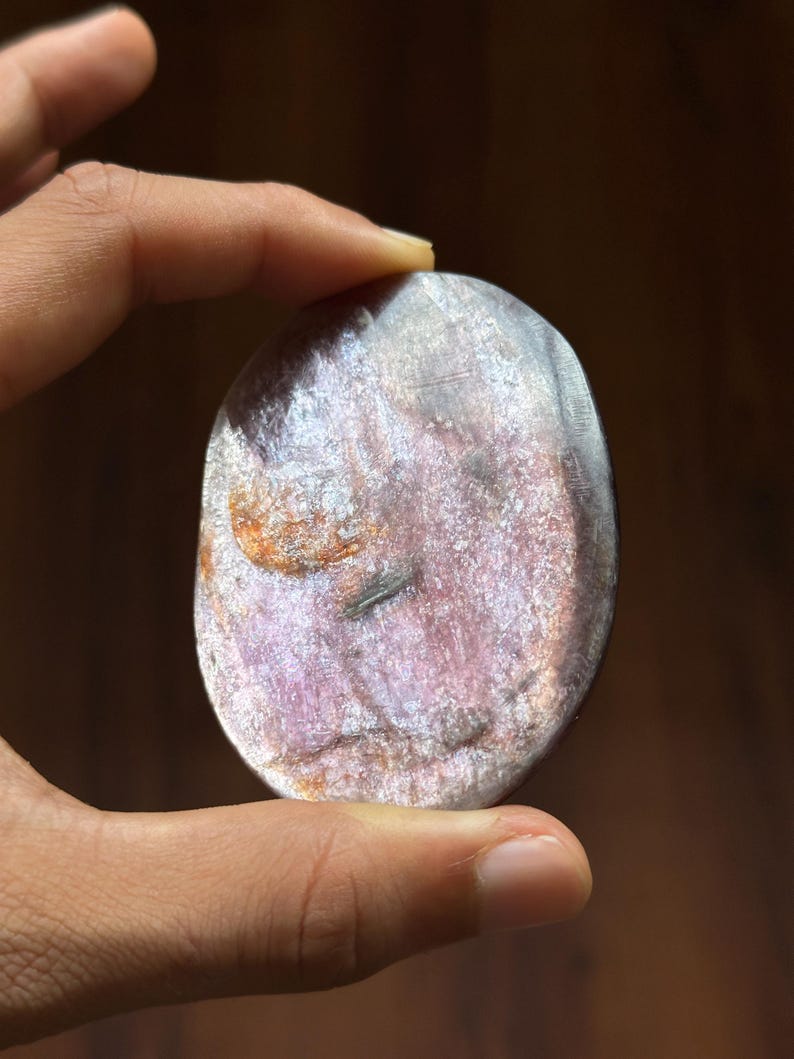
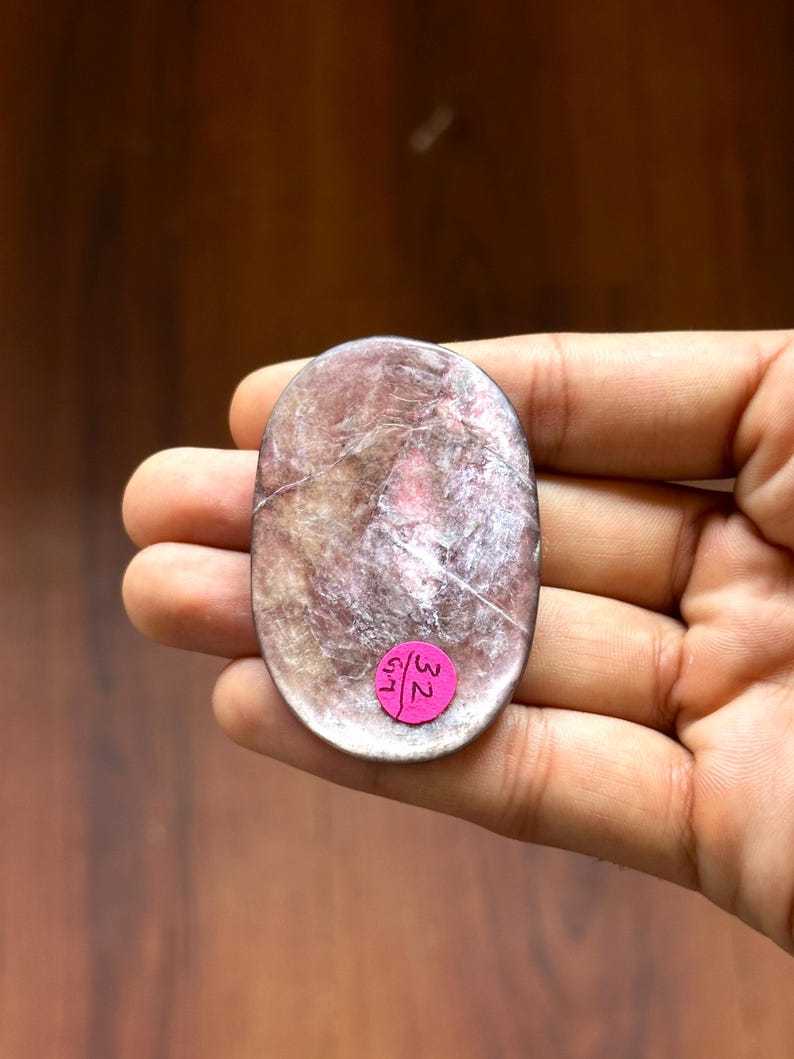
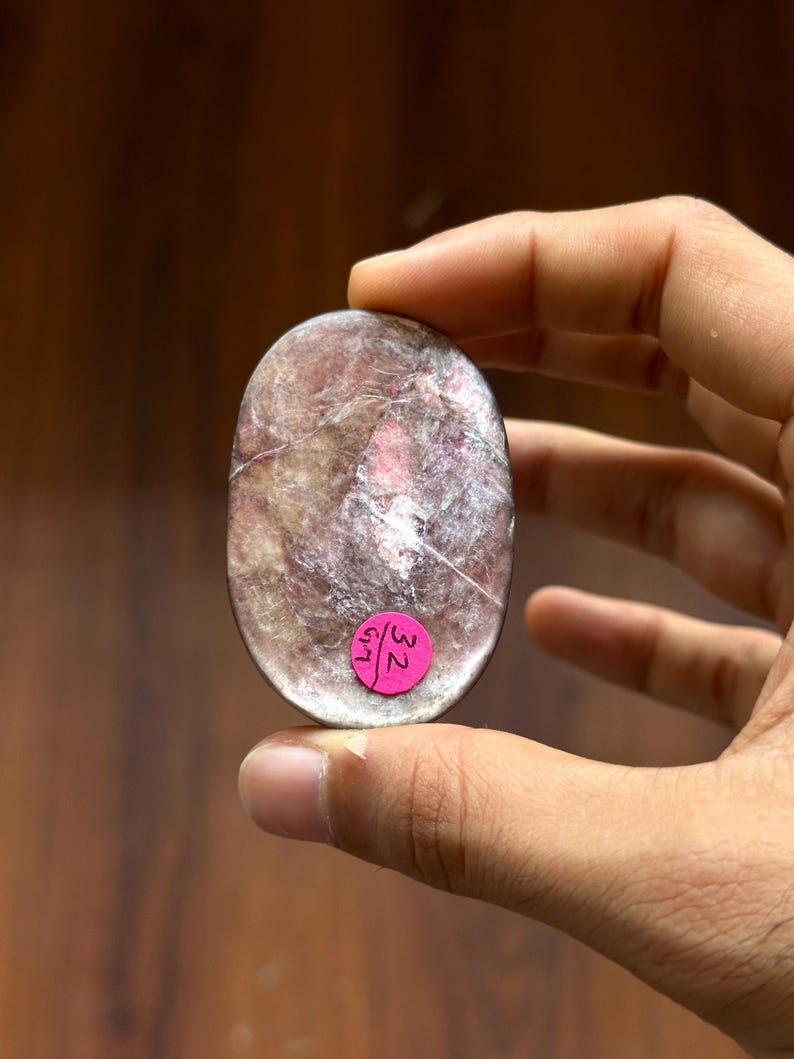
Pick up a piece of lepidolite and tilt it under a lamp and it does something quartz and feldspar never do: it glitters in tiny flat flashes, as if the whole stone were made of glitter pressed together. That's because it more or less is. Lepidolite isn't a quartz variety or a feldspar at all. It's a mica, and the way mica is built explains almost everything about how the stone looks, forms and behaves.
A mica, not a crystal in the usual sense
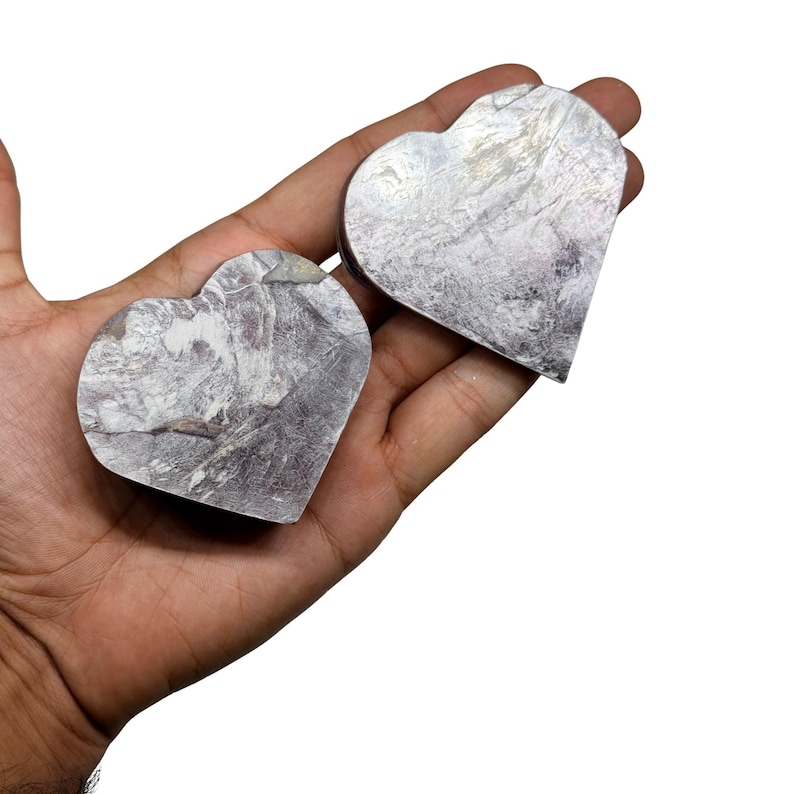
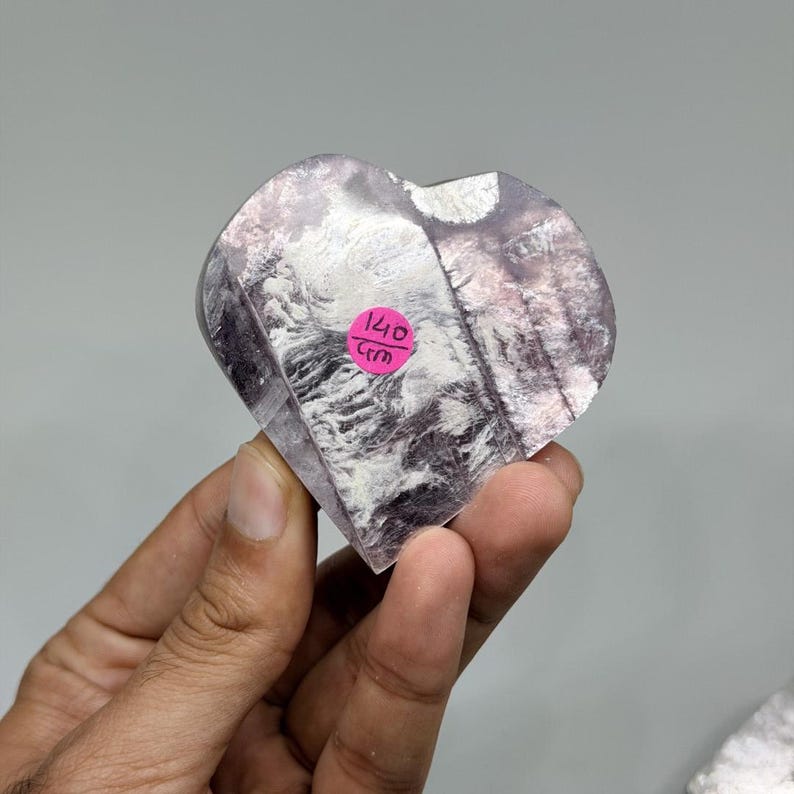
Mica minerals are built from thin sheets stacked like pages in a book, held together loosely enough that they split apart along flat planes. Lepidolite is the lithium-bearing member of the mica family: a potassium lithium aluminium silicate, with some fluorine, in place of the iron and magnesium that colour biotite (black mica) or the plain aluminium in muscovite (clear mica). Where other micas form large, flat single plates, lepidolite usually grows as a mass of small, scaly flakes packed together, which is where the name comes from: Greek lepis, meaning scale. The German chemist Martin Heinrich Klaproth named it in 1792, decades before anyone understood what the lithium inside it actually was.
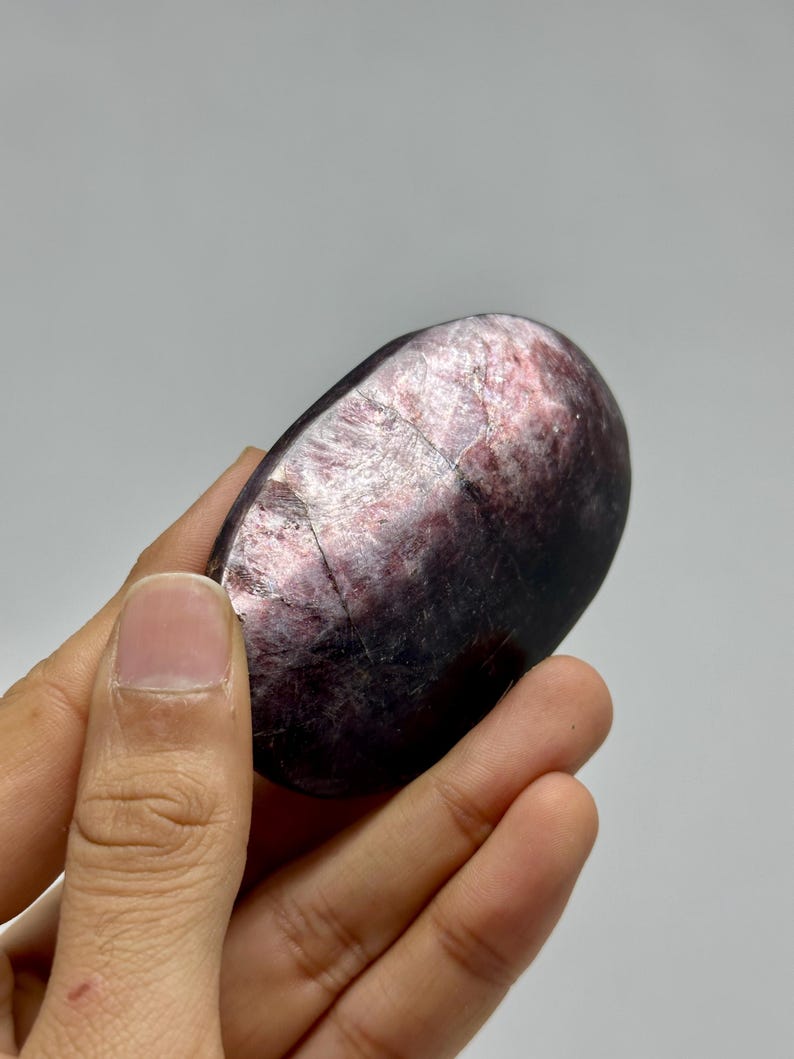
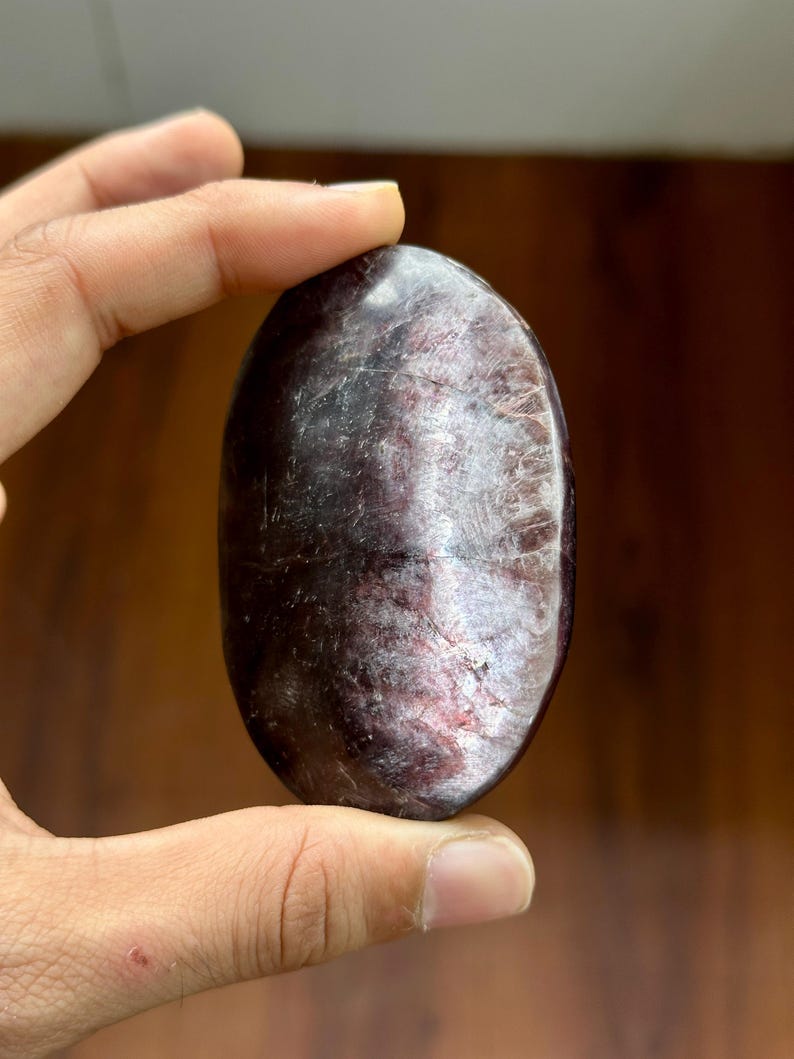
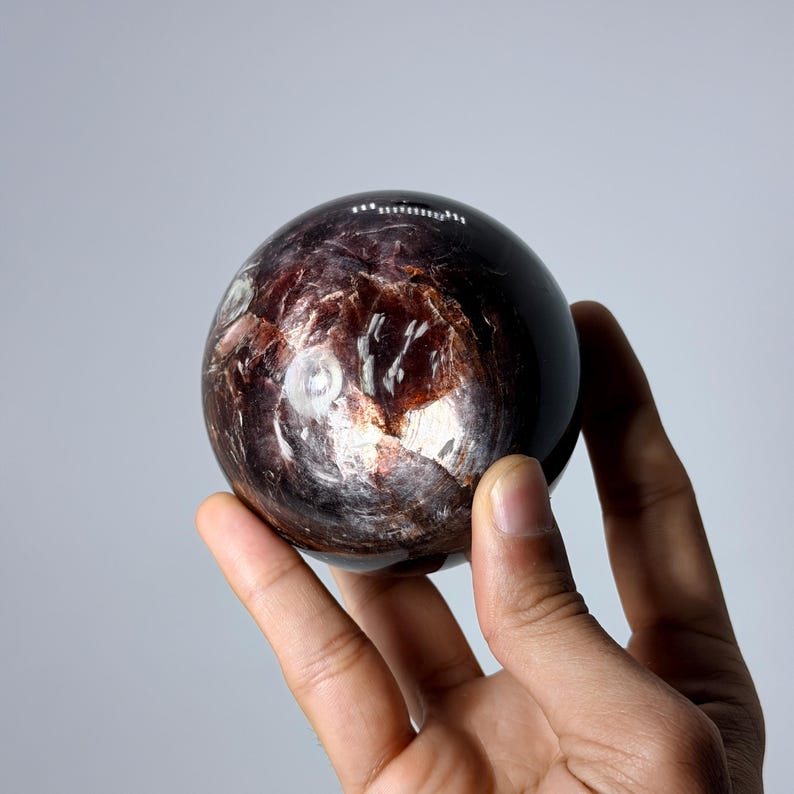
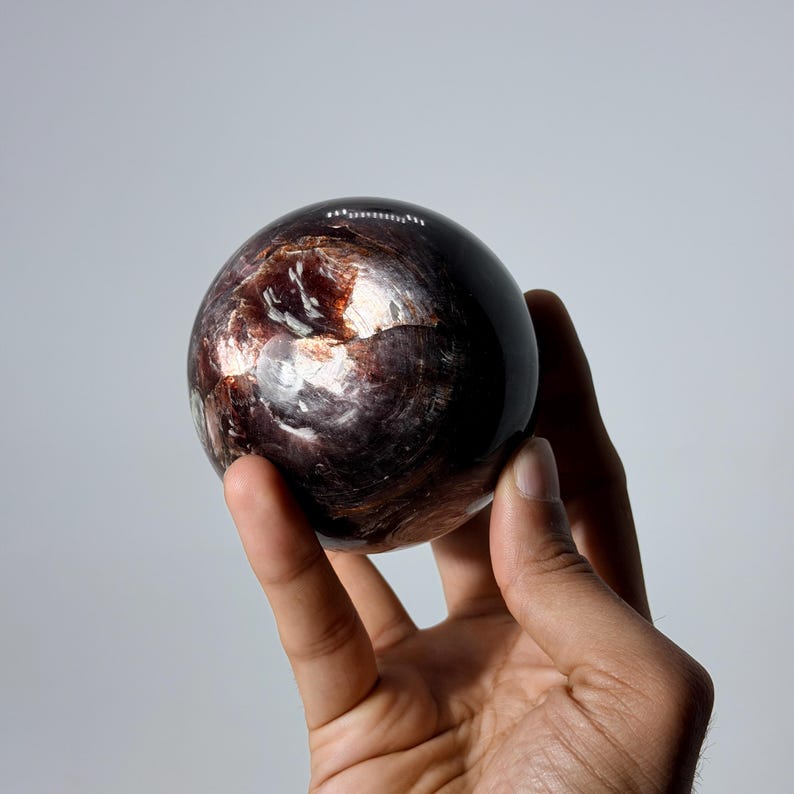
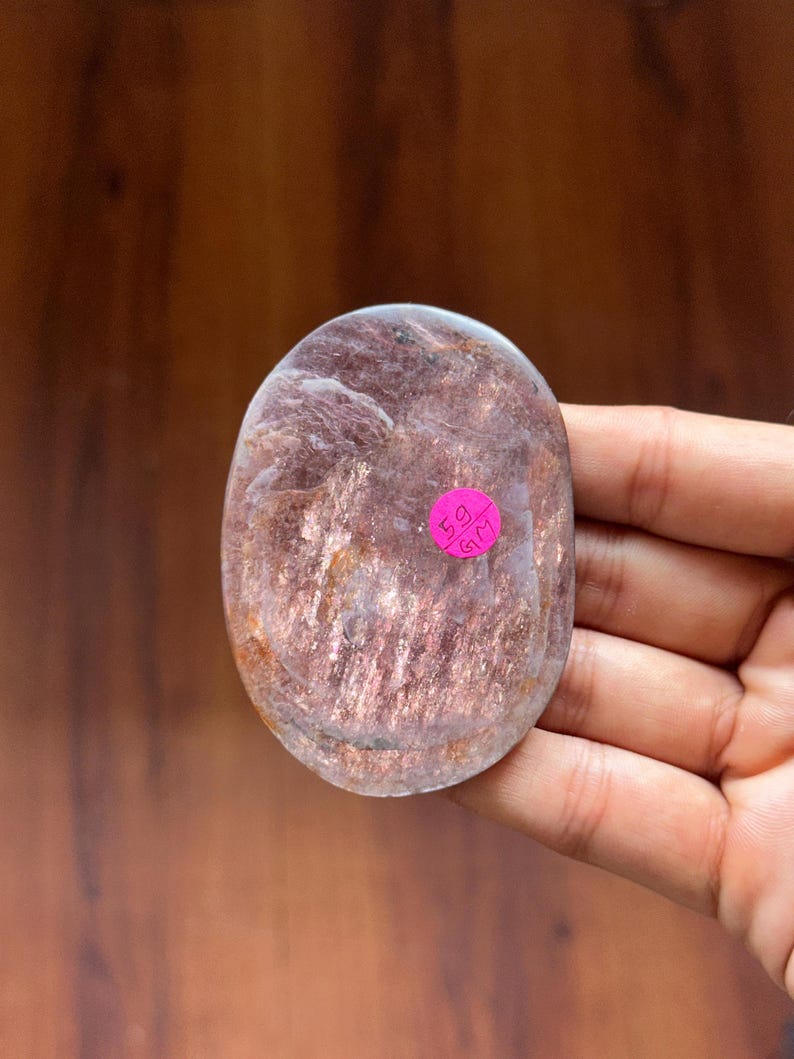
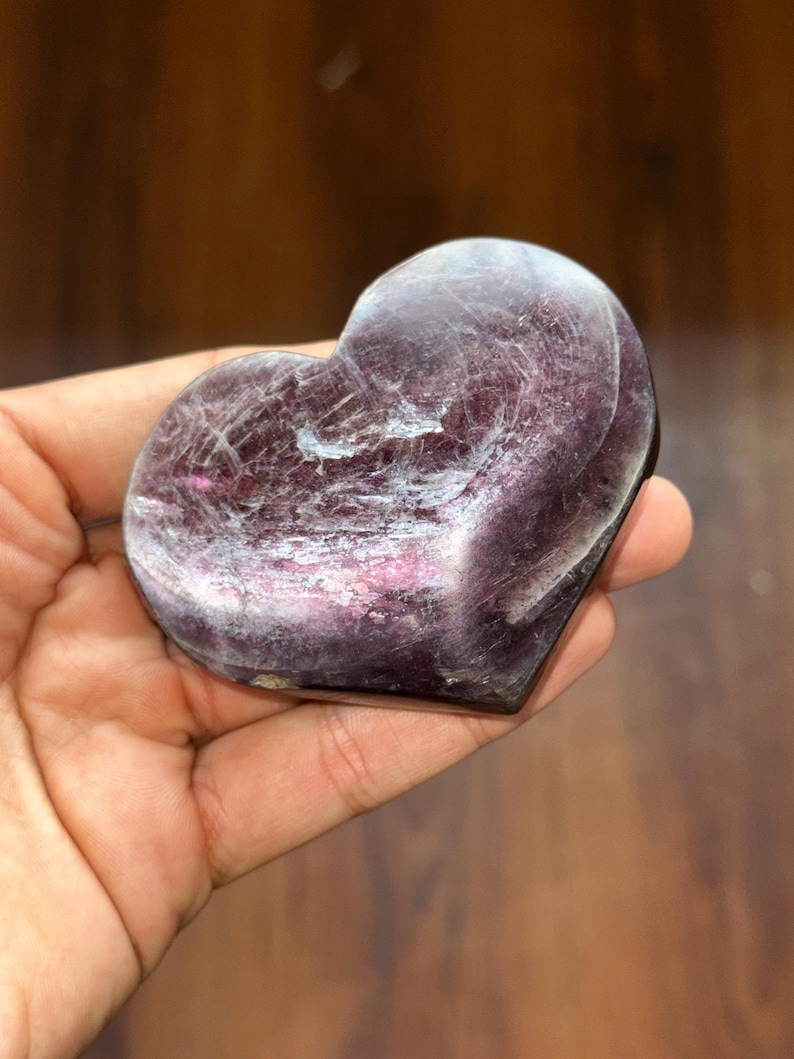
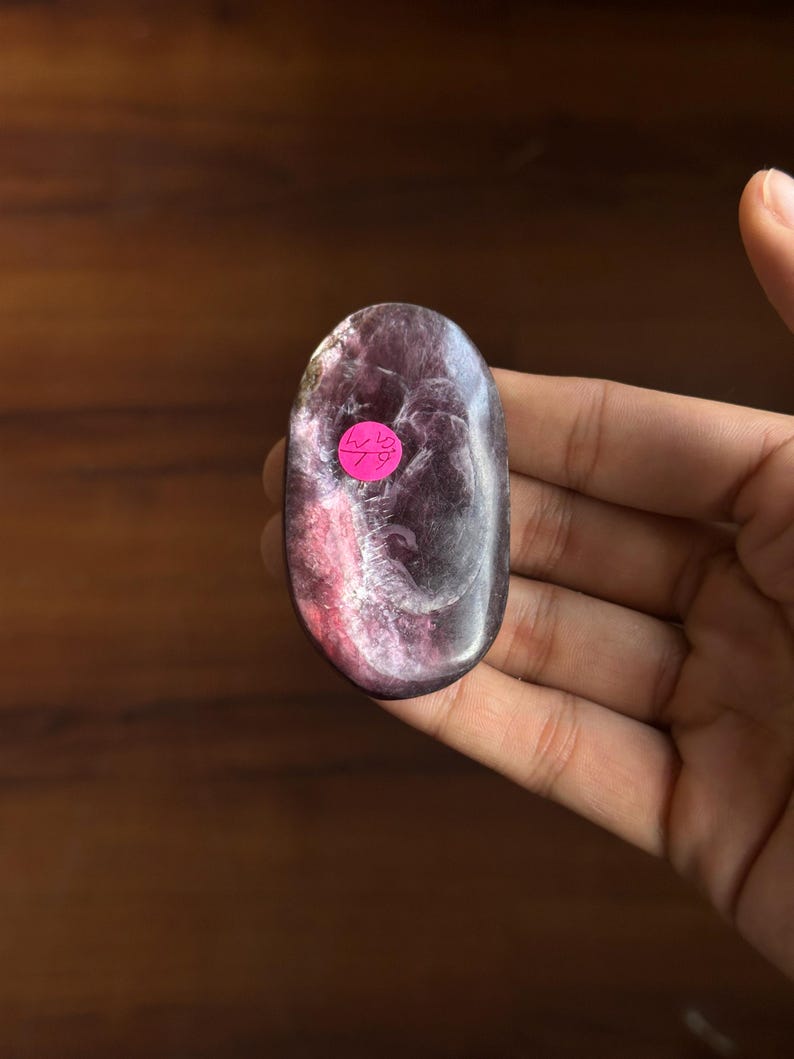
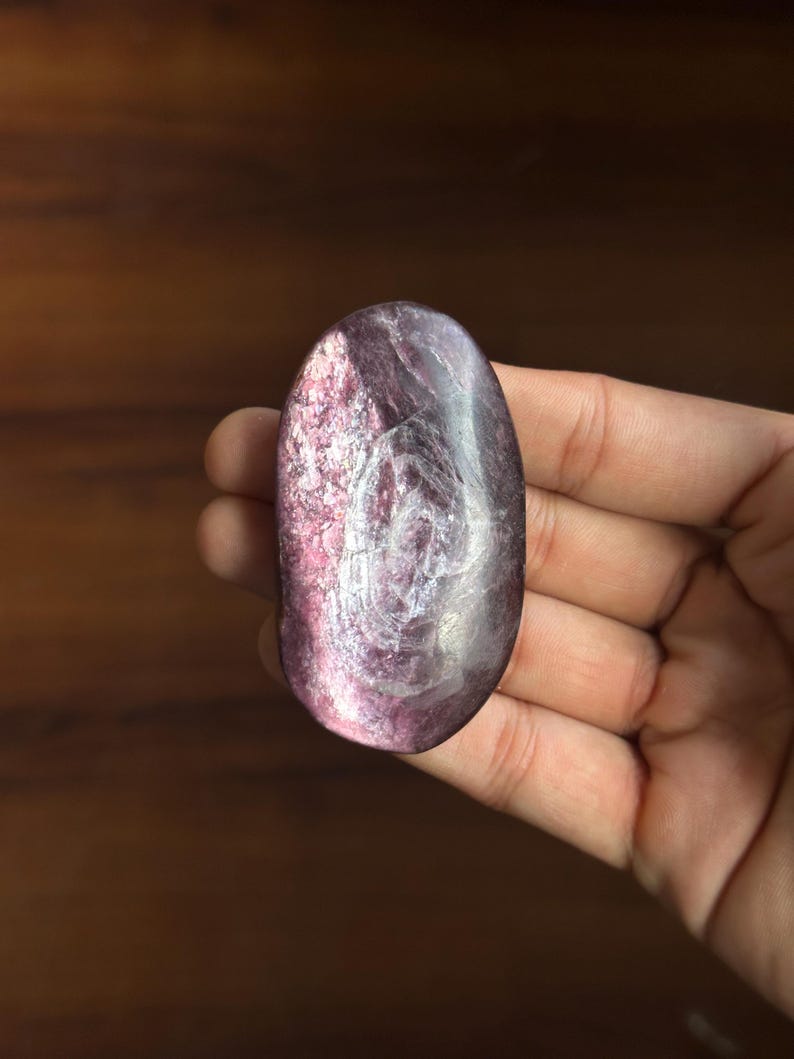
Because it's built from stacked sheets rather than a tight lattice, lepidolite is soft, around 2.5 to 4 on the Mohs scale, and every flake has a perfect, mirror-flat face. Turn a piece of rough or a polished sphere in the light and thousands of those faces catch and release the light at slightly different angles as you move it, giving the glittering, almost metallic shimmer that separates lepidolite from any other purple stone at a glance.
Where the lilac colour comes from
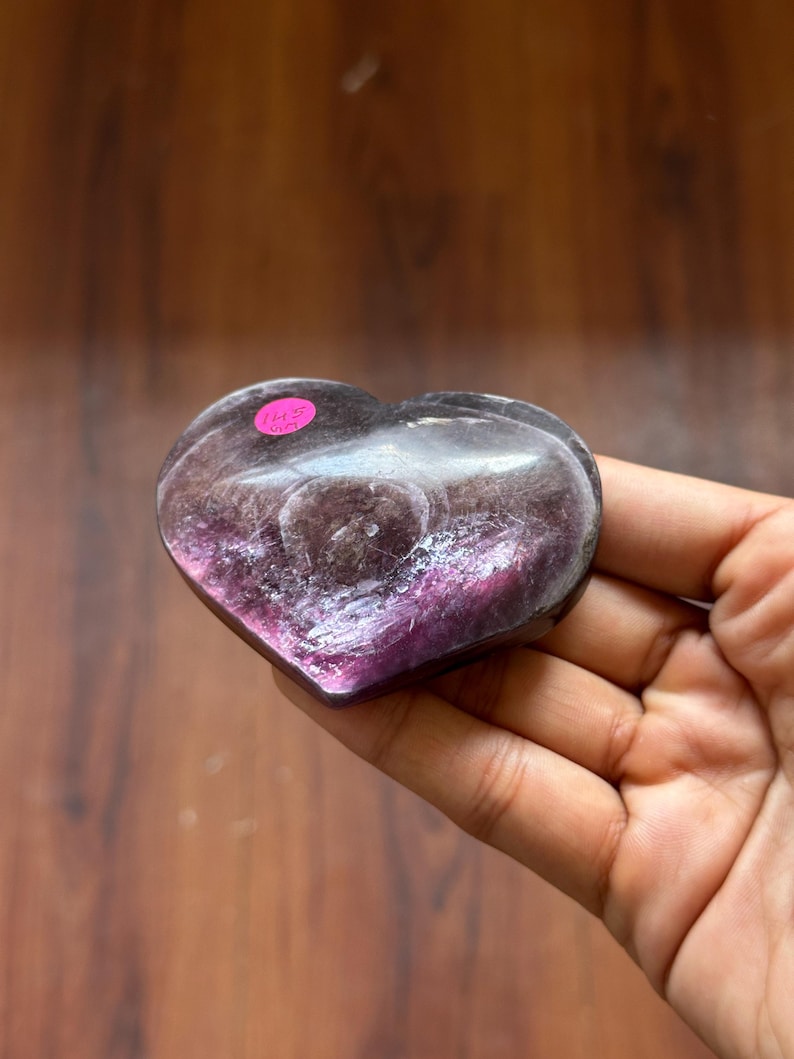
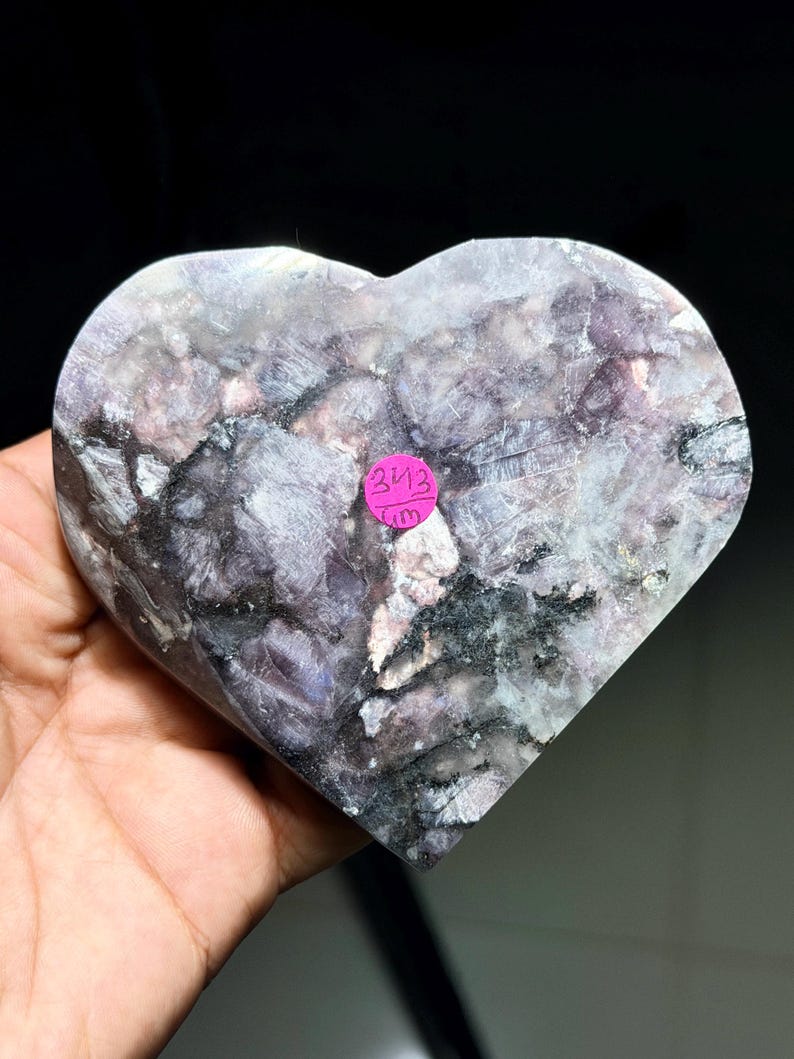
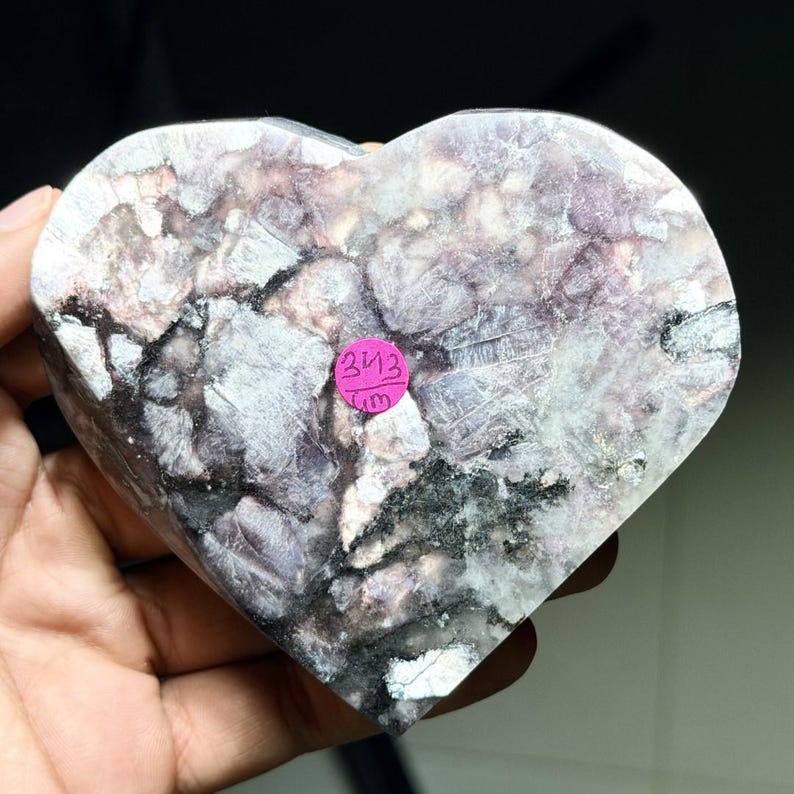
Pure mica is colourless or pale. Lepidolite's lilac to purple to pink colour comes from manganese sitting in the crystal structure in place of some of the aluminium, the same element that colours rhodochrosite pink and rhodonite rose-red. How much manganese gets in, and how it's bonded, decides whether a given piece leans towards soft lilac-grey, strong violet or candy pink. Some material is also mottled or two-toned, lilac flakes against a paler or greyish base, because the manganese wasn't evenly distributed as the mica grew.
Born in a pegmatite, alongside kunzite and tourmaline
Lepidolite forms almost entirely in granite pegmatites: coarse-grained rock that crystallises last and slowest from a body of granite magma, after most of the common minerals have already solidified out. What's left behind is enriched in the elements ordinary granite has little room for, among them lithium, boron and fluorine, concentrated enough to grow minerals that are rare anywhere else. That is exactly the environment that also produces kunzite, the pink lithium-bearing spodumene, and the pink and green crystals of tourmaline, which is why all three are so often found together, or at least in the same pegmatite fields, in deposits in Brazil, Madagascar and parts of Africa. A pocket of lilac lepidolite flakes wrapped around a crystal of kunzite or watermelon tourmaline is one of the more striking combinations a pegmatite can produce.
The forgotten lithium ore
Before lithium became shorthand for rechargeable batteries, lepidolite had a long career as one of the main ores the element was extracted from, alongside spodumene. Lithium itself wasn't actually discovered in lepidolite (that happened in 1817, in a different lithium mineral, petalite), but lepidolite's lithium content was recognised not long after, and for well over a century it was mined and processed specifically to get the lithium out, used in everything from heat-resistant glass to early ceramics. Spodumene ore and, later, lithium brines eventually became the cheaper sources, and most lepidolite mined today never reaches an ore processor at all; it goes straight to collectors and lapidaries as the mineral specimens, beads and carved pieces that show up in shops like ours. It's a reminder that plenty of the stone on a shelf has a working, industrial past that has nothing to do with why people buy it now.
Buying and caring for it
Lepidolite's softness and perfect cleavage mean it takes a good polish but should be handled a little more gently than quartz or feldspar; a hard knock along a cleavage plane can chip or flake a piece rather than bounce off it. It's cut into palmstones, tumbles, carvings and spheres, where the curved surface shows the glitter from every angle as it turns, much like the effect we describe in how a crystal sphere is made. Keep it out of water where you can, since any mica can lose its shine if it sits wet for long, and store it away from harder stones that could scratch its soft, flaky surface.
Not to be confused with
Lepidolite's lilac colour sometimes gets it mixed up with amethyst or lilac-dyed stone in photographs, but the two are easy to tell apart in hand. Amethyst is a single hard, glassy quartz crystal with no visible grain; lepidolite is soft, flaky and glitters in small flat flashes rather than showing one even colour through a clear crystal. If a "purple mica" piece feels glassy and hard rather than slightly crumbly at the edges, check what you've actually been sold.