Why pyrite is called fool's gold
Pyrite forms in the same veins as real gold and shares its colour, which is exactly why it fooled so many prospectors. How to tell the two apart.
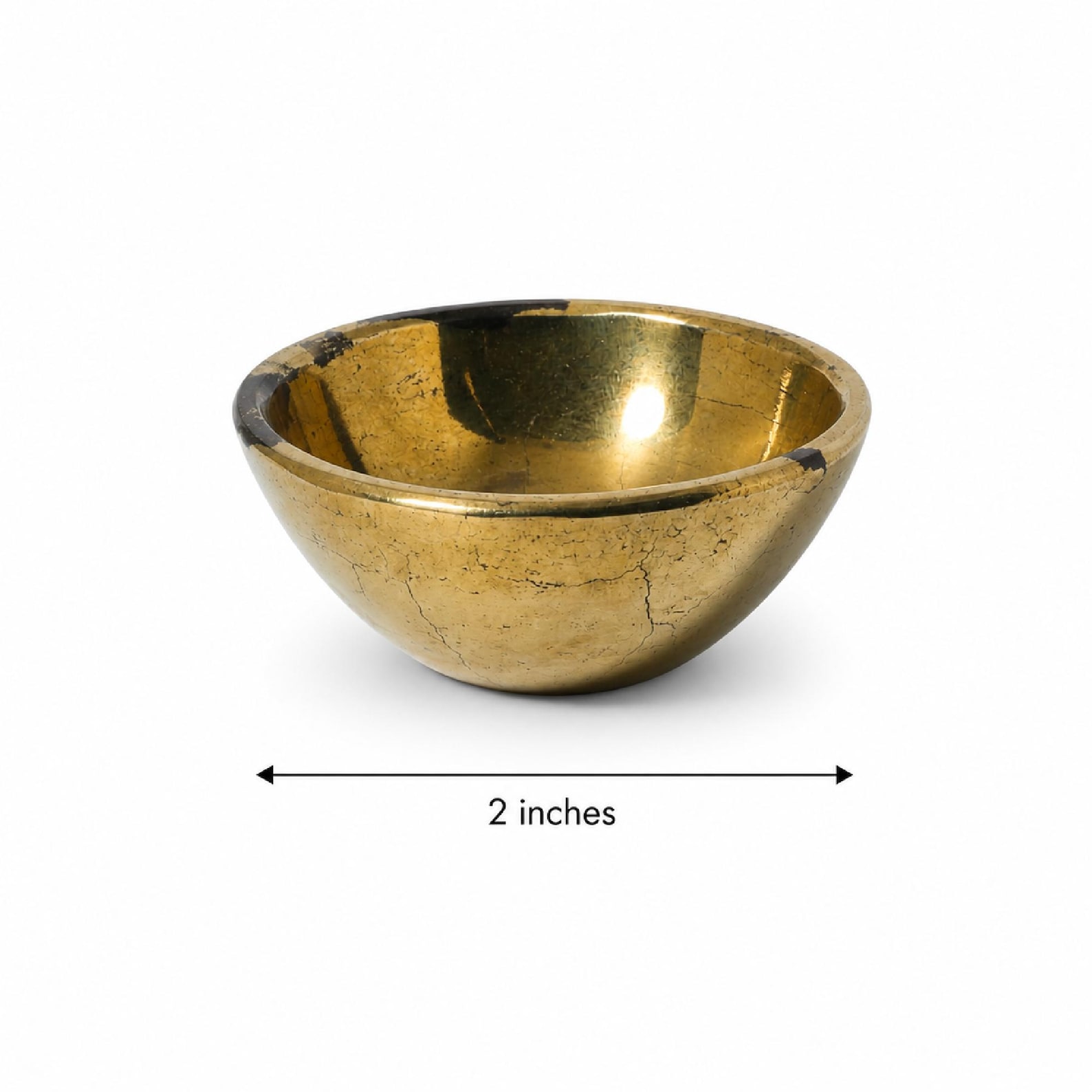
Drop a cube of pyrite into a prospector's gold pan and, for a second, it's easy to see why so many people have been fooled. The colour is right, the shine is right, and it comes out of the same rivers and veins that real gold does. The name fool's gold isn't a gimmick. It's a fair description of how often the mix-up has actually happened, going back centuries.
A convincing double
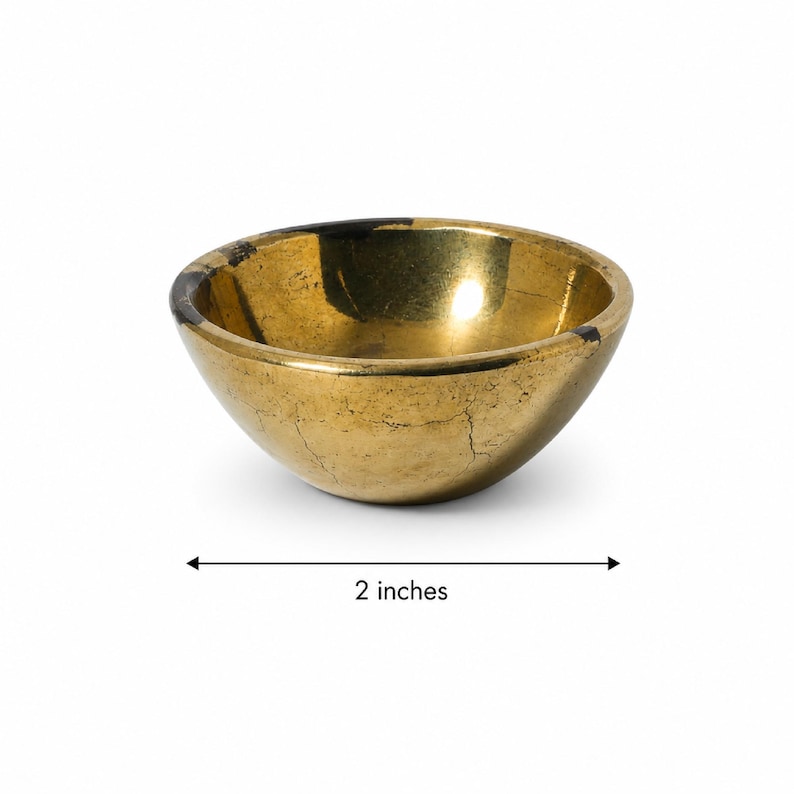
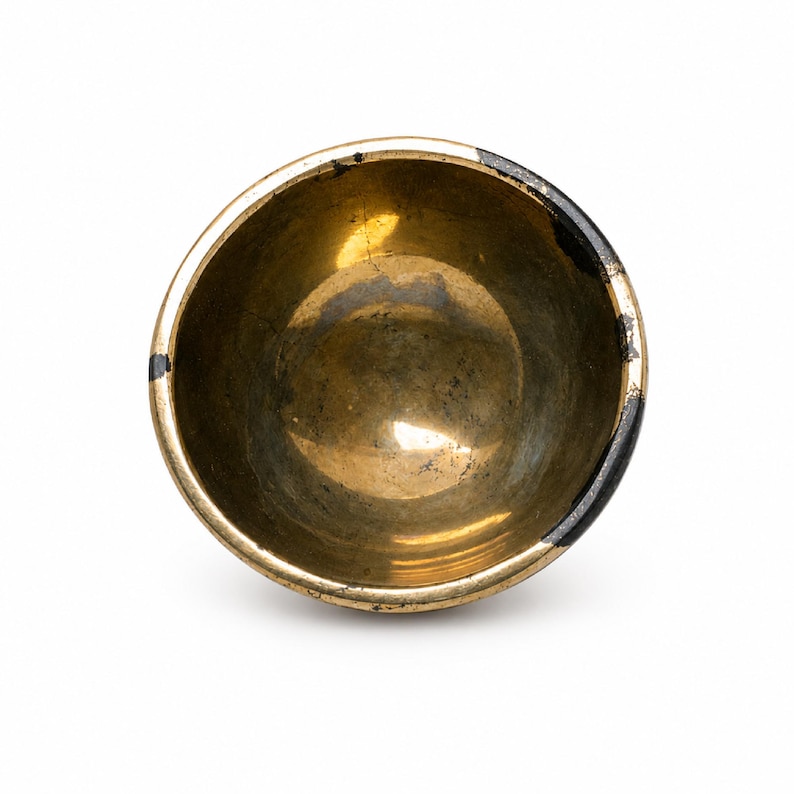
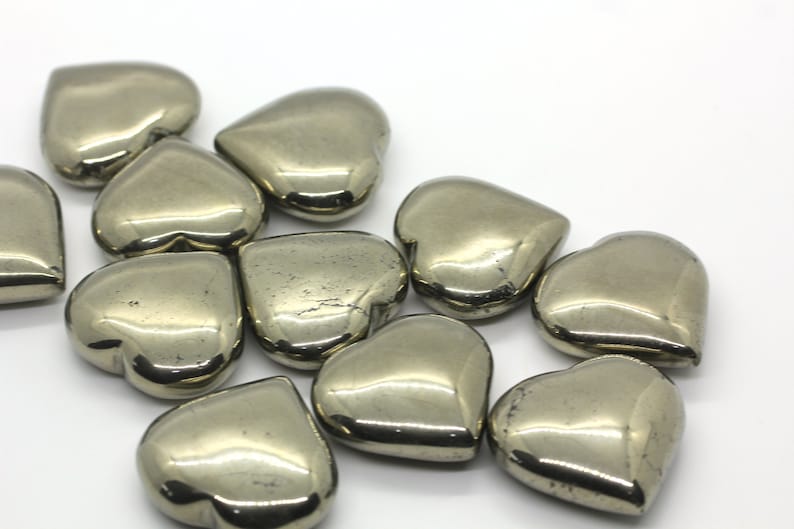
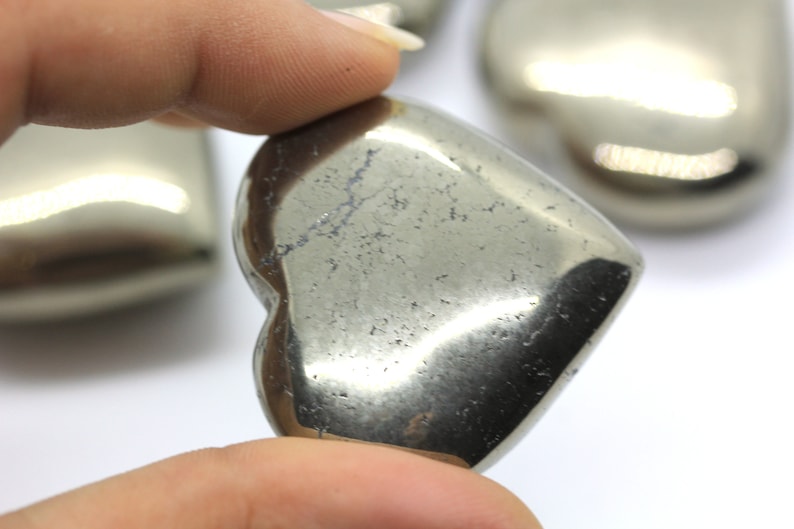
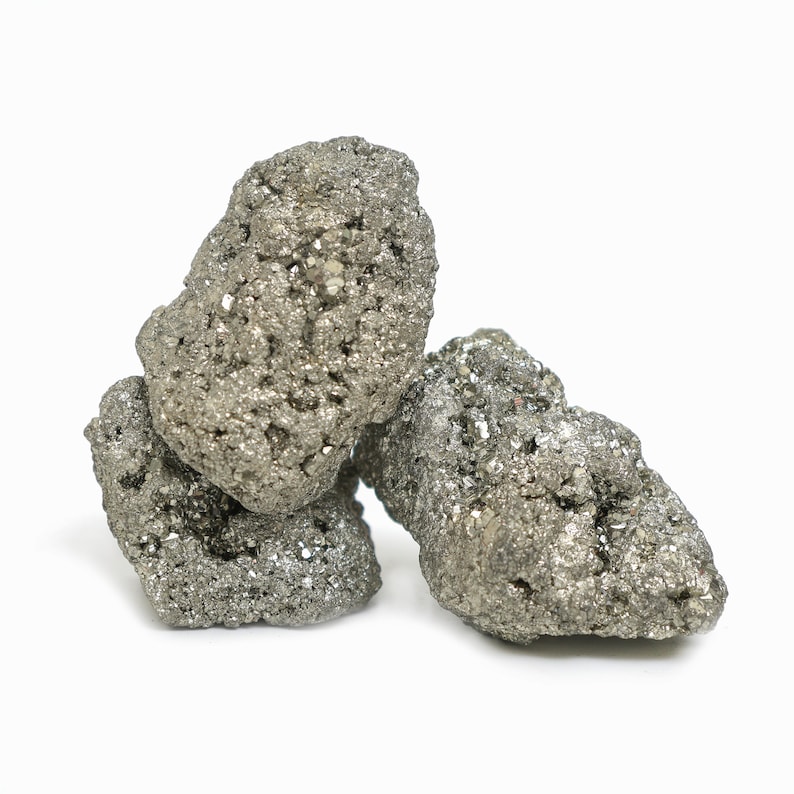
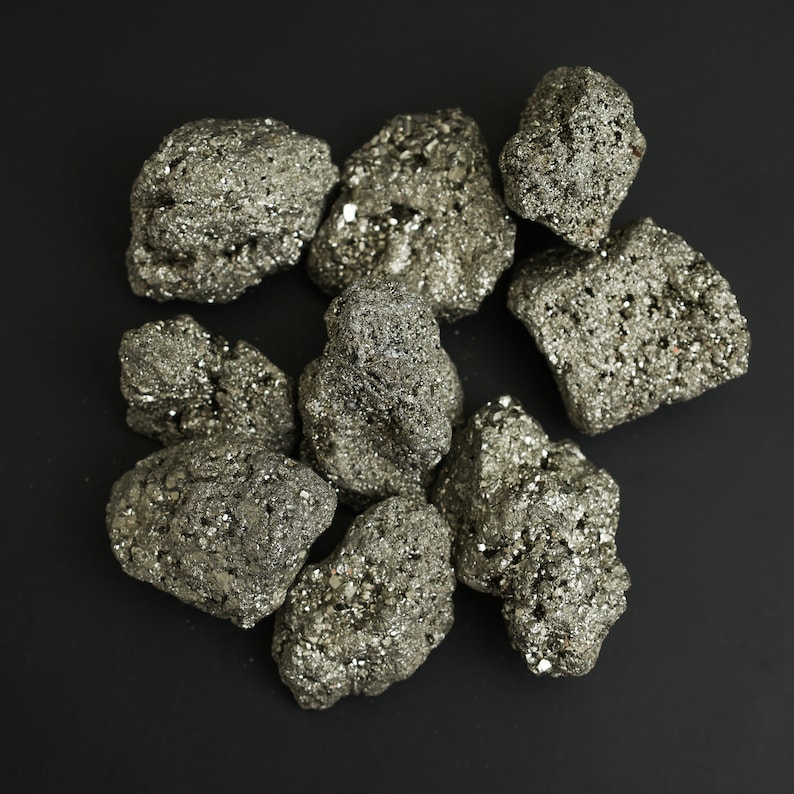
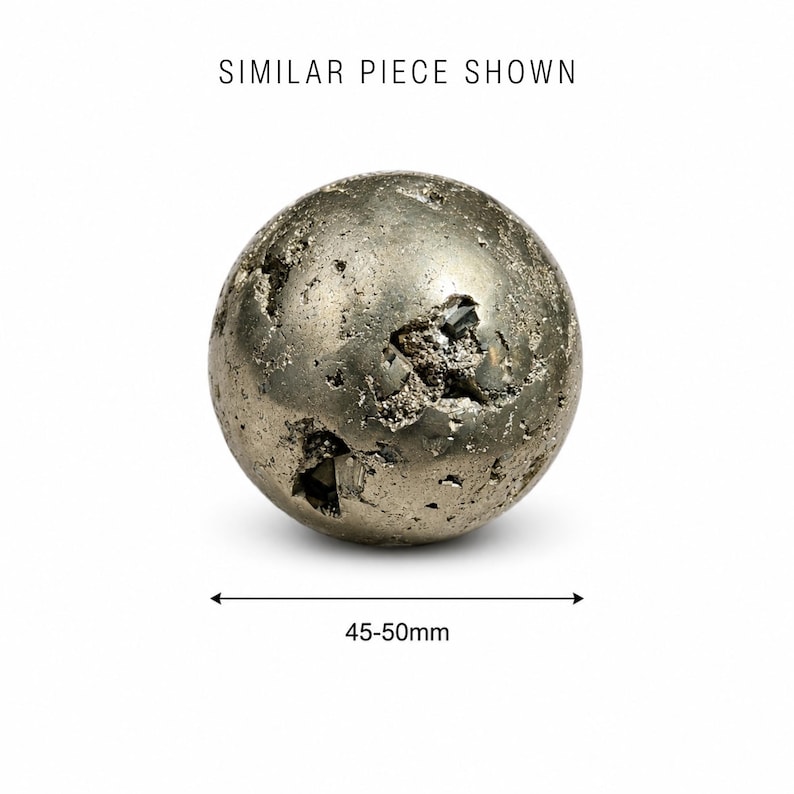
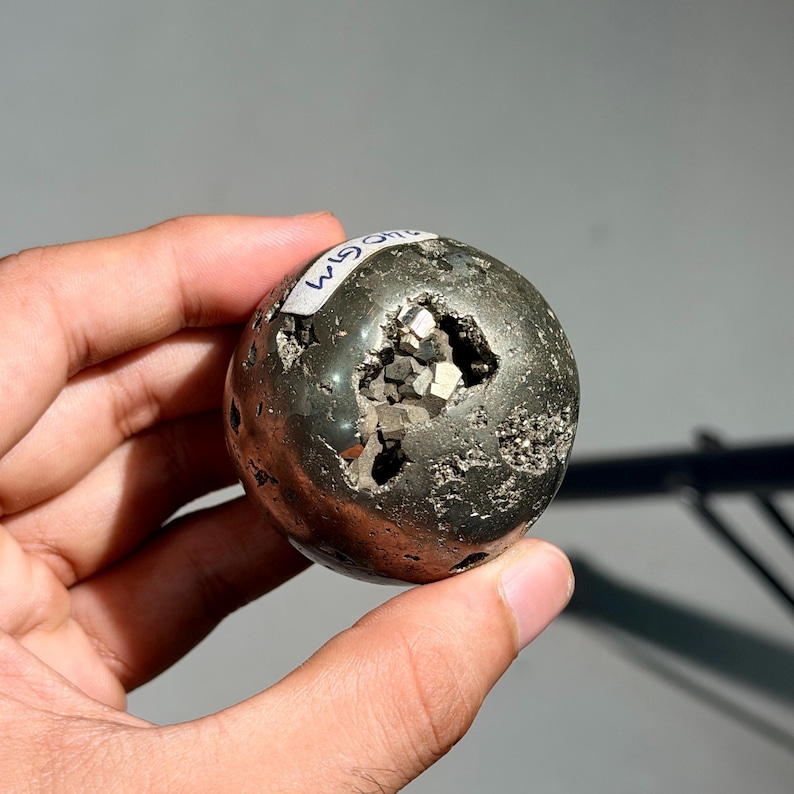
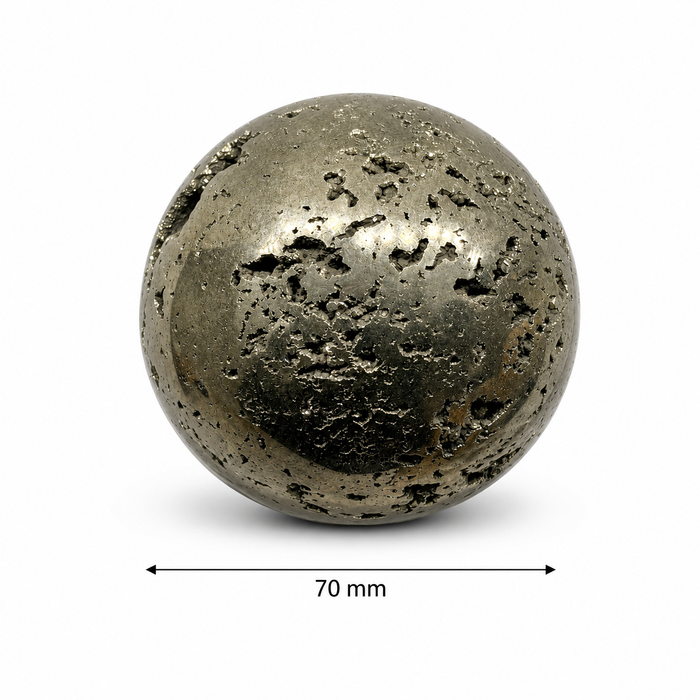
Pyrite is iron sulphide, built from iron and sulphur in a simple one-to-two ratio, and it crystallises in the cubic system, which is why so many pieces turn up as sharp, flat-faced cubes, sometimes with faint parallel grooves running across each face. Clusters of cubes, intergrown and glinting, are one of the most recognisable mineral habits there is. Massive pyrite, without obvious crystal faces, forms a sparkling brassy crust instead, and under the trade name Apache Gold it's sold as rough and tumbled pieces for exactly that glitter.
Its colour sits in the same narrow brass-to-gold range as actual gold, and both have a genuine metallic lustre rather than the dull or glassy look of most other minerals. In low light, in a stream bed, or under the first excited glance of someone who's never found gold before, the resemblance is close enough to matter. It still is: metal detector finds and river panning turn up more disappointed pyrite discoveries than anyone would guess.
How to actually tell them apart
Weight is the fastest test. Gold is one of the densest common materials on earth, heavy enough that a small nugget feels wrong in the hand the first time you pick one up. Pyrite is only about a quarter as dense, so a piece the same size as a gold nugget feels noticeably light by comparison, once you know to check. It's a different kind of heavy to hematite, another metallic-looking mineral people sometimes weigh in their hand expecting ore or treasure: hematite is dense because it's packed with iron oxide, not because it's carrying any gold.
Hardness tells the same story a different way. Gold is soft and malleable, around 2.5 on the Mohs scale, so a knife point will dent or shave a sliver off a real nugget without much effort. Pyrite is harder, around 6 to 6.5, similar to a steel blade, and it won't dent at all. Instead a sharp blow tends to chip or shatter it, sometimes throwing off a faint smell of sulphur and a spark, the same spark that gave pyrite its name: the Greek word for fire.
The colour of the powder left behind when you scratch the mineral across a rough ceramic surface, its streak, is more reliable than the colour of the lump itself. Gold streaks gold, because it's gold all the way through. Pyrite streaks greenish-black to brownish-black, since the powdered mineral loses the metallic reflection that makes the solid piece look golden.
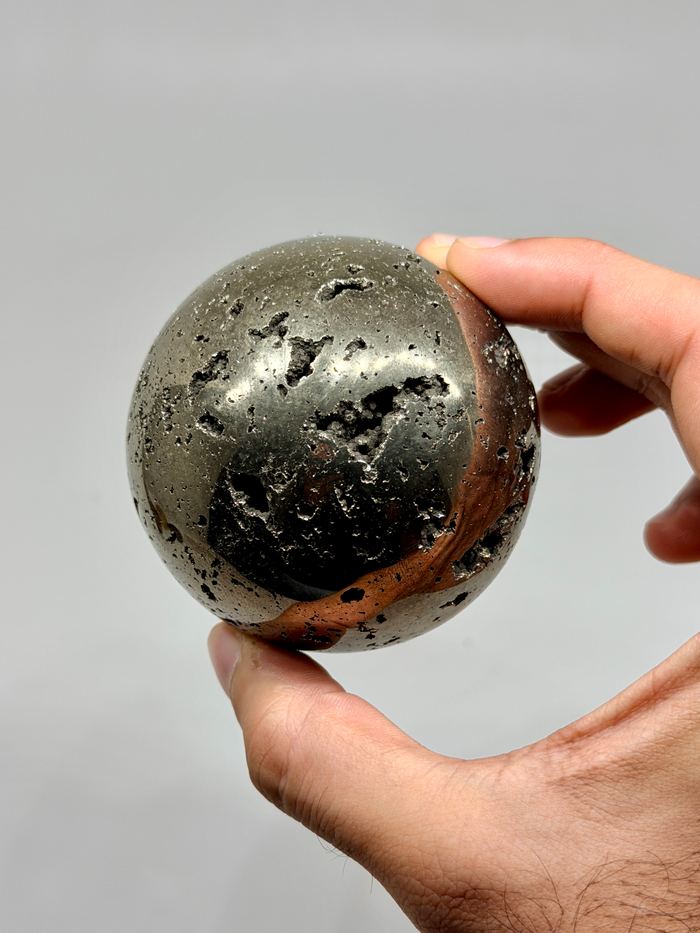
Surface condition is a last, easy clue. Gold doesn't tarnish, so an old nugget found in a stream looks the same as the day it formed. Pyrite oxidises where it's exposed to air and moisture, slowly turning a rusty brown as the iron in it corrodes, which is why older or weathered pyrite often shows a dull, tarnished patch even where the broken surface underneath is still bright and golden.
Why pyrite turns up right where gold does
The resemblance isn't a coincidence of colour alone. Pyrite and gold often form in the same hydrothermal veins, where hot, mineral-rich water moving through cracks in rock deposits metals as it cools. Gold frequently rides along with pyrite in these veins, sometimes as fine, invisible grains locked inside the pyrite crystals themselves, which is a real and economically important deposit type, not folklore. Prospectors panning gravel downstream of such a vein would reasonably find flecks of both washed out together, which only reinforced the confusion once separated from the rock that explained it.
Pyrite isn't limited to hydrothermal veins, though. It also forms in ordinary sedimentary rock and coal seams, where it grows from iron and sulphur released as buried organic matter decays in the absence of oxygen. This is the process behind pyritised fossils, ammonites and other shells whose original material has been replaced, sometimes crystal for crystal, by glittering pyrite as they fossilised. It's a completely different setting from a gold-bearing quartz vein, but it produces the same unmistakable brassy mineral.
From fire starter to fool's gold
Long before anyone was panning for gold, pyrite had a practical job: struck against steel or flint, it throws a shower of sparks hot enough to catch tinder, and it was used this way for fire-starting for a very long time, which is also where its name comes from. The fool's gold label is newer and more specific, tied to the gold rushes of the nineteenth century, when thousands of inexperienced prospectors working unfamiliar ground mistook glittering pyrite for the metal they'd travelled to find. The name stuck because the mistake kept happening, not because pyrite is a poor mineral in its own right.
Buying it today
Nobody buying pyrite now is trying to pass it off as gold; it's sold and bought for exactly what it is, prized for its sharp cubic crystals and metallic shine. Clusters and specimens show the natural cube faces best, since any polishing tends to round off the crisp edges that make the crystal habit worth seeing. For spotting genuine pyrite over an imitation, the same checks used against gold mostly apply in reverse: a real pyrite cube feels heavy and cold for its size compared with lightweight resin or painted casts, and its edges are sharp rather than moulded smooth. We go through the broader signs of dyed, glued and reconstructed stone in an honest guide to what's natural, and pyrite is one of the more forgiving minerals to check this way, since a genuine cube's faces and edges are hard to fake convincingly by hand.